FCI 176 · France

Picardy Sheepdog

A French herding dog with a harsh coat and erect ears, first shown in 1863.

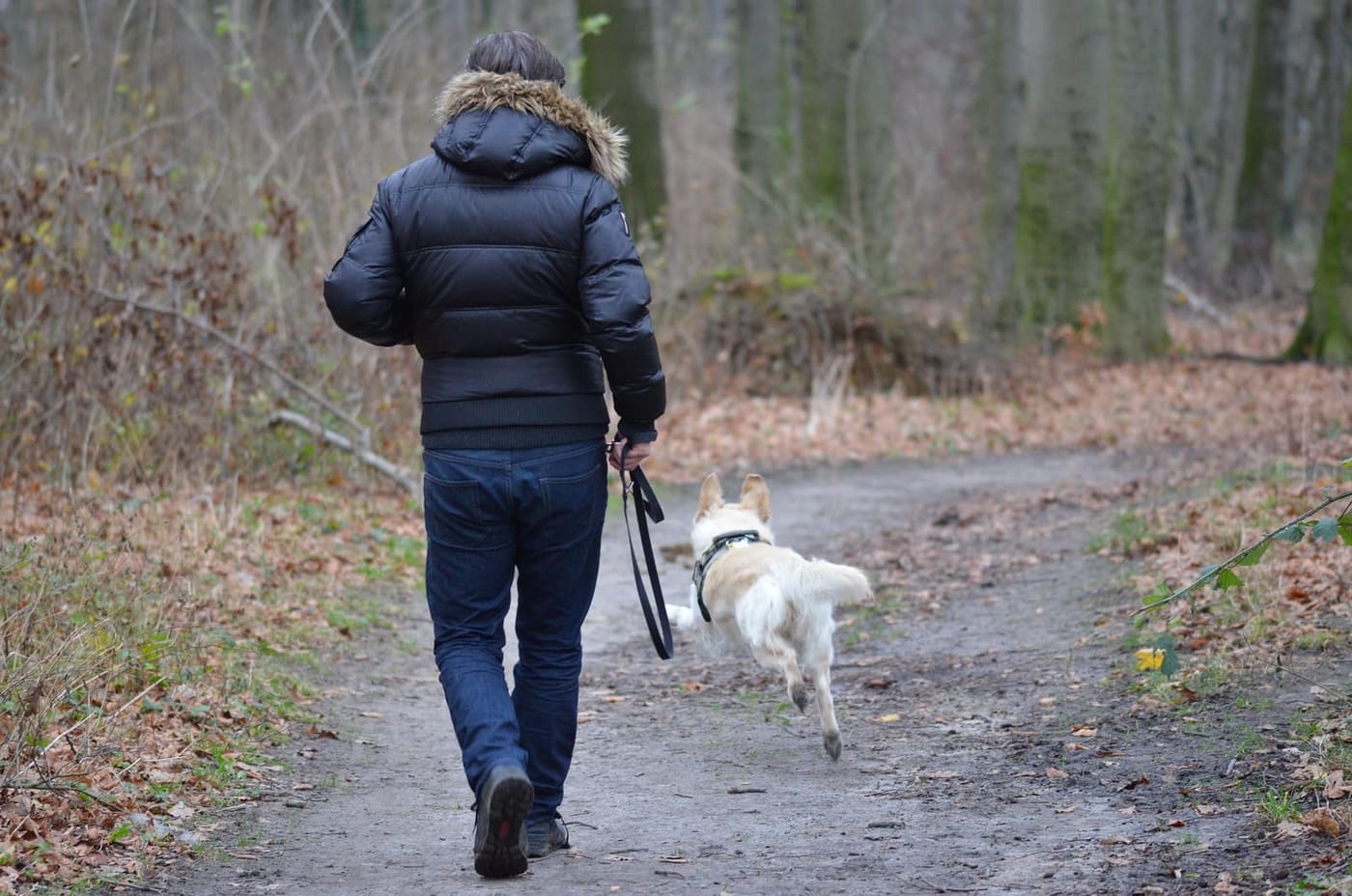
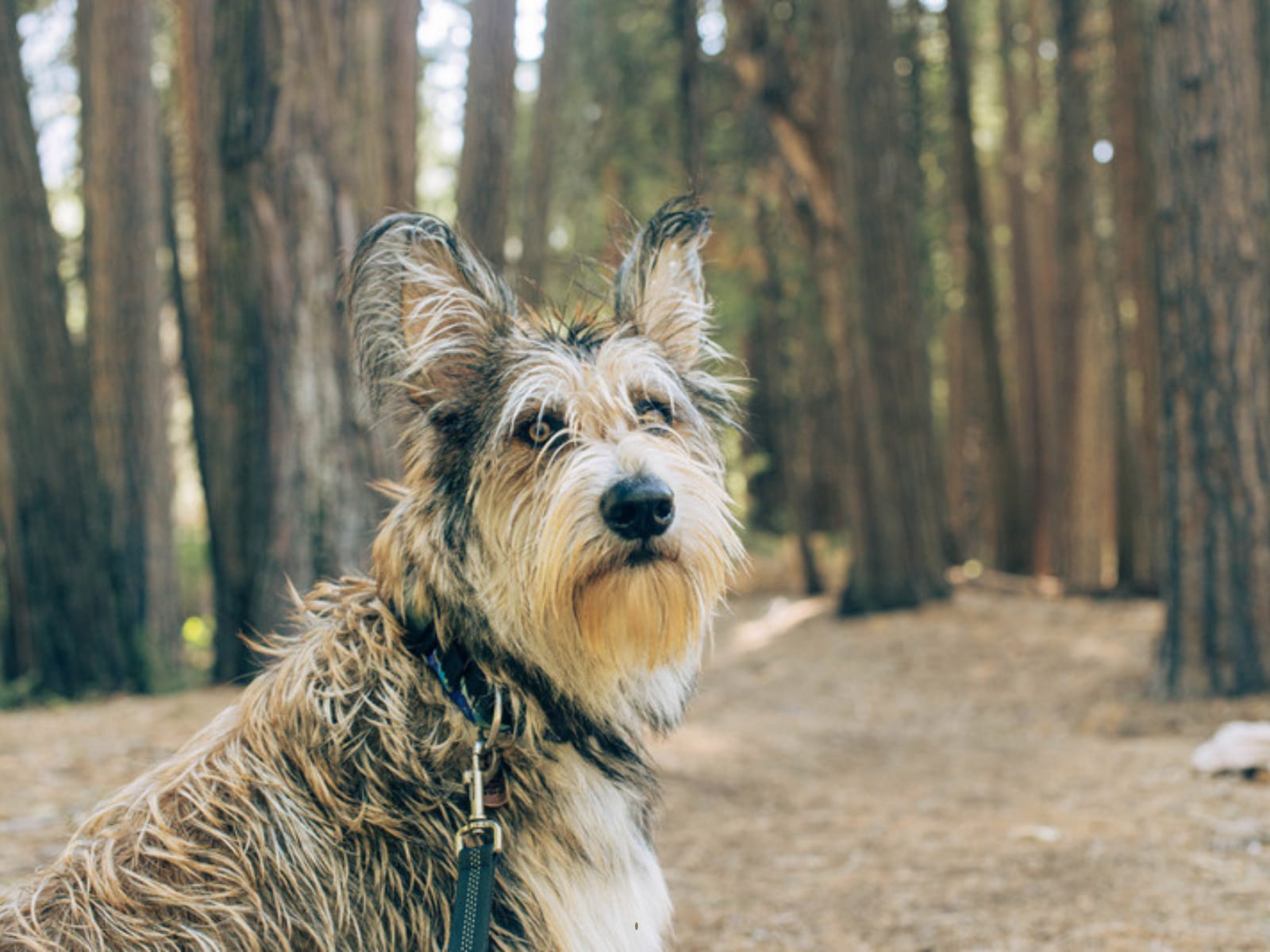
Picardy Sheepdog with erect ears in a forest

Breed facts

FCI
no. 176 · group 1, sheepdogs
Origin
France
Height at withers
male 60–65 cm · female 55–60 cm
Size
The standard allows 1 cm either way.
Exercise
up to 1 hour a day (according to the Royal Kennel Club)
Lifespan
over 10 years
Coat
medium length, sheds

The GoPuppy profile

These are breed averages and our own assessment. Your own dog’s age, fitness and training matter more.

  1. WalkingLong walksThe Royal Kennel Club gives up to an hour of exercise a day.
  2. Dog sportSport with a build-upA sheepdog with a working trial. Herding, agility and scentwork suit him.Suitsherdingagilityscent work
  3. Terraces and cafésTerrace after trainingThe standard calls him even-tempered, neither aggressive, shy nor nervous.
  4. Travel and staysTravel takes preparationMedium to large. Fits in a roomy car with a crate.
  5. CityNeeds a big gardenThe RKC suggests a small house with a small to medium garden, in the country.

Temperament

According to the FCI standard the Picardy Sheepdog is even-tempered, neither aggressive, shy nor nervous. He is obedient and fearless. He is a very good guard for the home and an excellent family dog who enjoys close contact with children.

Origin

His origins are very old; harsh-coated sheep and cattle dogs were typical throughout north-west Europe. In 1863 the first Picardies were judged in the same class as the Beauceron and the Briard. Paul Mégnin drafted the first standard in 1922, and the breed was definitively recognised in 1925. After the Second World War enthusiasts searched Picardy for the most typical dogs to revive the breed. The FCI places him in Group 1, Section 1, sheepdogs, with a working trial.

Health

The Royal Kennel Club prioritises genetic diversity and lists elbow, eye and hip testing.

Size

Dogs measure 60 to 65 cm, bitches 55 to 60 cm, with a tolerance of 1 cm.
Health: what a good breeder tests for

  • Prioritising genetic diversity when choosing the parents
  • Elbows (X-ray, official result)
  • Eye testing
  • Hips (X-ray, official result)

Ask for the parents’ results when you visit a litter. This is not medical advice; your vet knows your dog.

Breeders of this breed on GoPuppy

No breeder of this breed on GoPuppy yet.

GoPuppy does not check breeders’ health tests. A listing here is not a seal of approval.

Read also