FCI 182 · Germany

Schnauzer (Standard)

A bearded German stable dog that felt at home among horses and caught rats. When the Pinscher-Schnauzer-Club was founded in 1895, he was entered as the 'rough-haired Pinscher'.

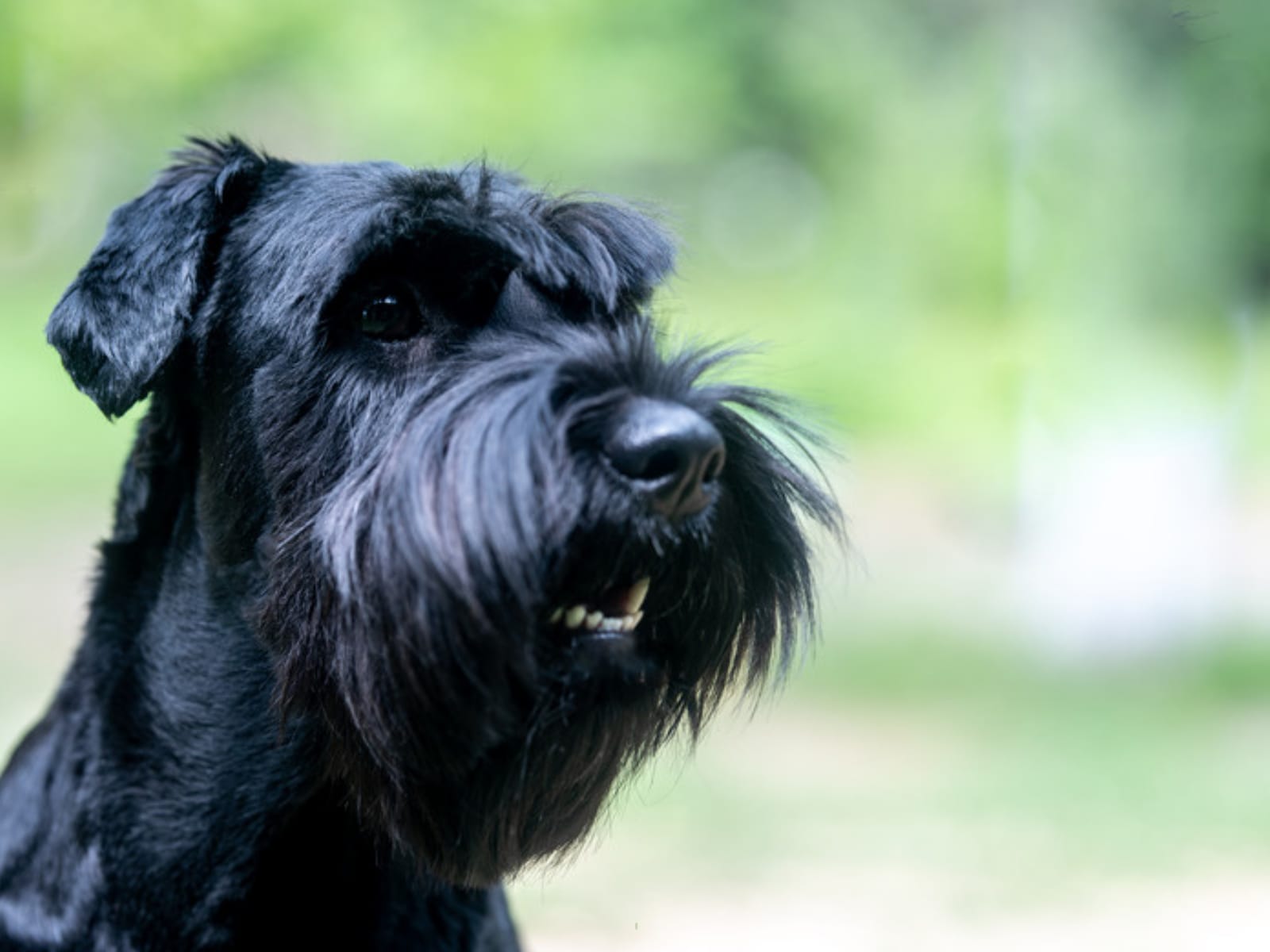
Black Schnauzer outdoors, close-up

Breed facts

FCI
no. 182 · group 2, pinschers and schnauzers
Origin
Germany
Height at withers
45–50 cm
Weight
14–20 kg
Exercise
up to 1 hour a day (according to the Royal Kennel Club)
Lifespan
over 10 years
Coat
medium length, sheds

The GoPuppy profile

These are breed averages and our own assessment. Your own dog’s age, fitness and training matter more.

  1. WalkingLong walksThe Royal Kennel Club gives up to an hour of exercise a day. The standard notes endurance and resistance to weather; a healthy Schnauzer enjoys long walks.
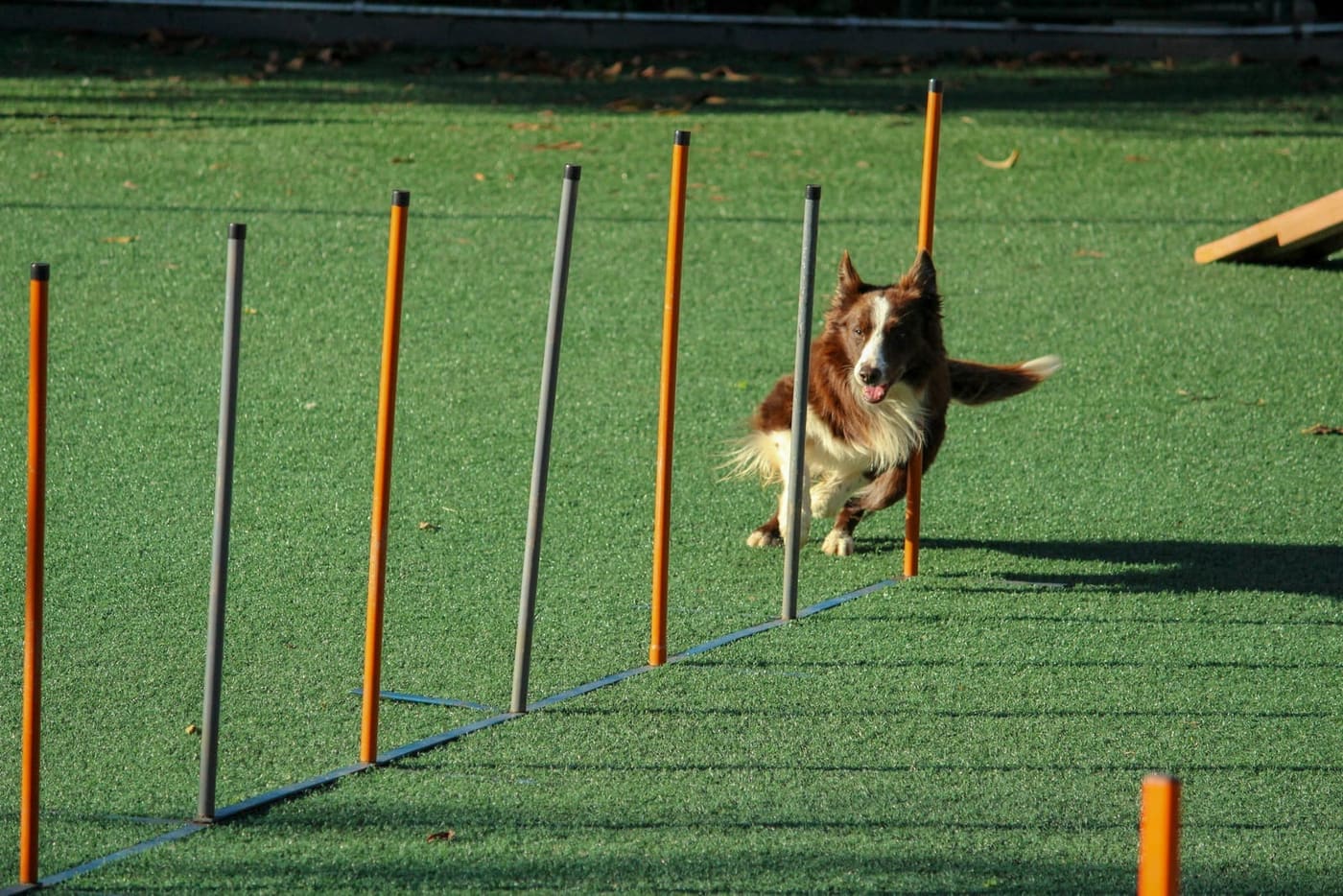
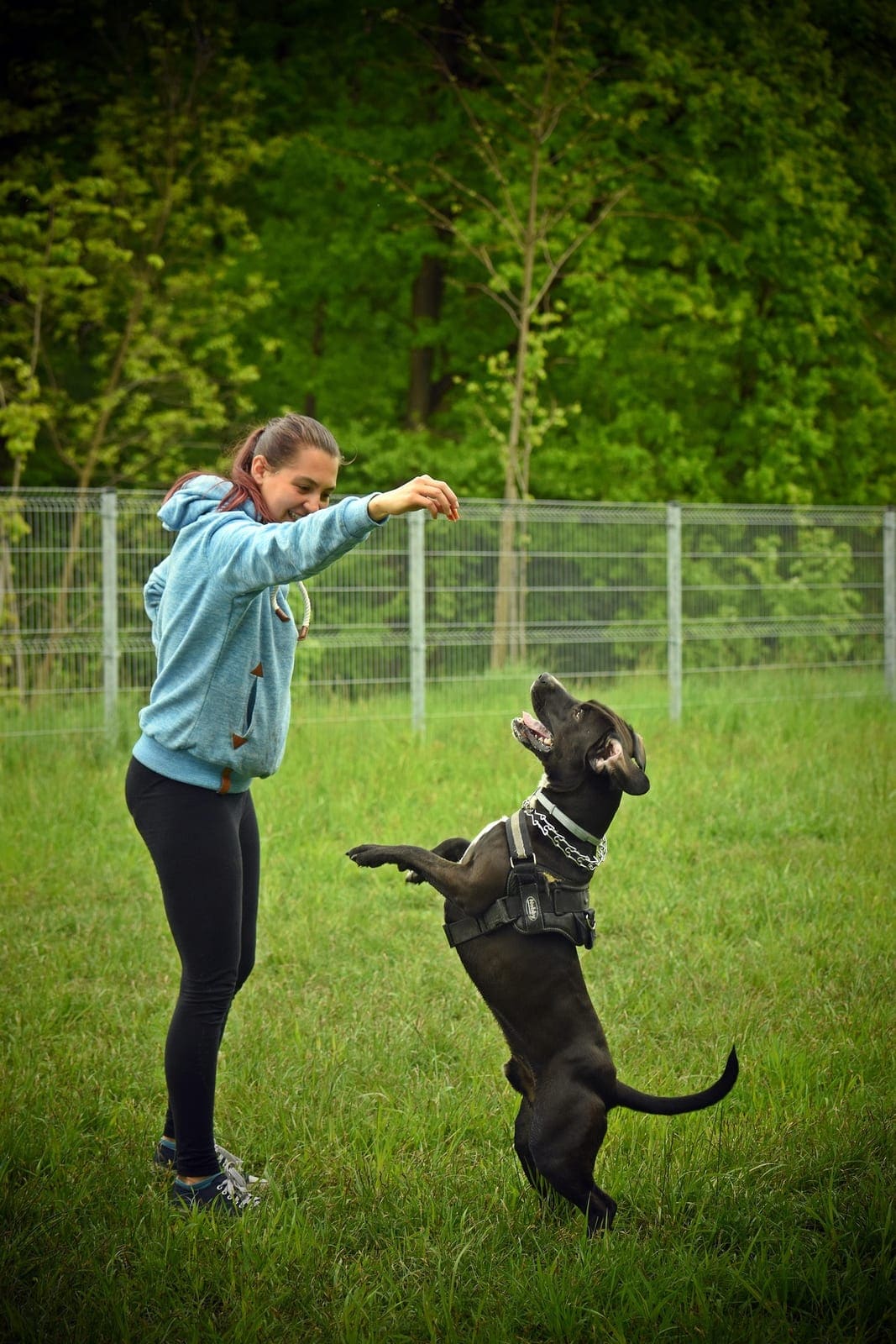
  2. Dog sportSport with a build-upAgility, scent work and obedience. The standard calls him trainable and gifted for work.Suitsagilityscent workobedience
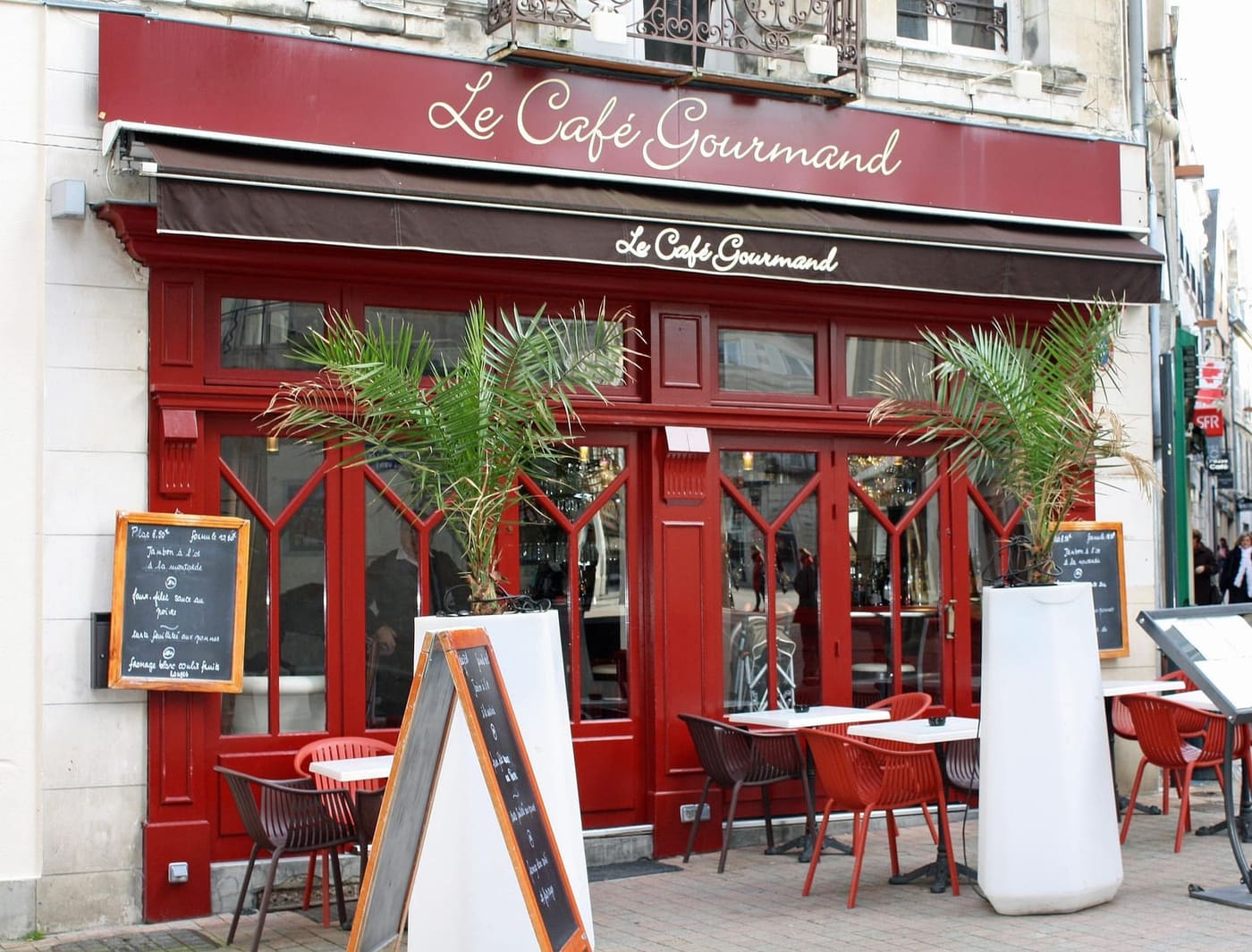
  3. Terraces and cafésTerrace with some practiceThe standard calls him 'alert, yet not noisy', playful and good-natured. A pleasant terrace companion.
  4. Travel and staysTravels with some planningMedium-sized and easy to take in the car.
  5. CityBetter with a gardenThe Royal Kennel Club says a small house with a small to medium garden is enough, in town or country.

Character

According to the FCI standard, the Schnauzer combines a lively temperament with placid composure. Typical are his good nature, playfulness and proverbial devotion to his master. He loves children, is incorruptible, alert yet not noisy. The standard calls him an outstanding family, guard and companion dog, also endowed with the qualities of a working dog.

Origin

In southern Germany the Schnauzer was originally a stable dog; he felt at home with the horses and killed rats and mice in a flash, which earned him the name ‘Rattler’. When the Pinscher-Schnauzer-Club was founded in 1895, he was entered as the ‘rough-haired Pinscher’. This page covers the Standard (medium) Schnauzer; the Miniature and Giant Schnauzer are separate breeds. The FCI places him in Group 2, section 1.

Health

The Royal Kennel Club puts genetic diversity first and recommends a DNA test for DCM (a heart muscle disease) and hip testing.

Size

Males and females measure 45 to 50 cm and weigh 14 to 20 kg.
Health: what a good breeder tests for

  • Prioritising genetic diversity when choosing the parents
  • DNA test for DCM (dilated cardiomyopathy)
  • Hips (X-ray, official result)

Ask for the parents’ results when you visit a litter. This is not medical advice; your vet knows your dog.

Breeders of this breed on GoPuppy

No breeder of this breed on GoPuppy yet.

GoPuppy does not check breeders’ health tests. A listing here is not a seal of approval.

Read also