Choosing a dog training school near you: group, private or puppy
Group class, private lesson or puppy course, find a dog training school near you that fits, with certifications to look for.
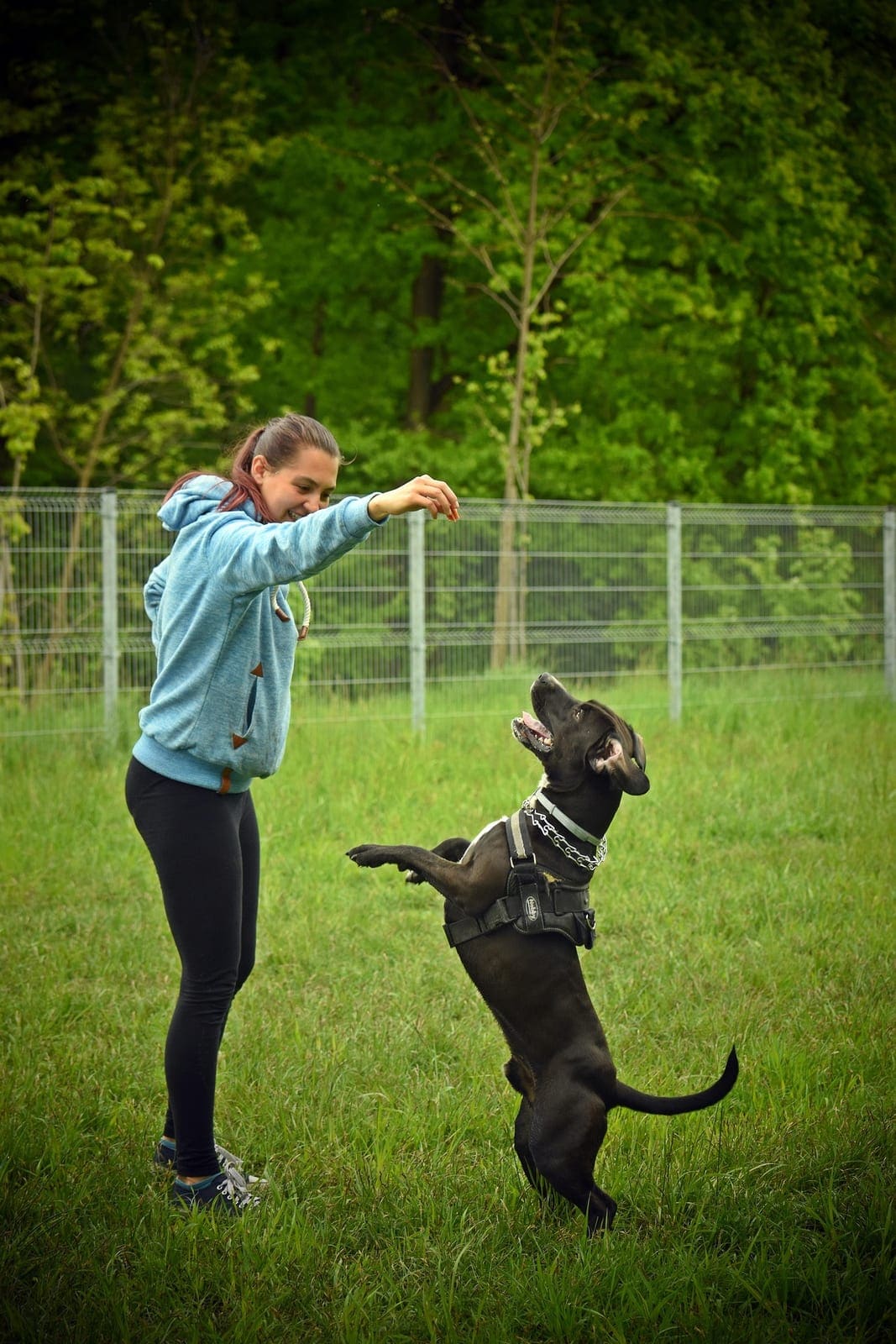
A puppy course focuses on socialisation and basic obedience for young dogs, group classes suit dogs that can handle distractions well and benefit from social training, and private lessons are ideal for specific behavioural issues or when your dog doesn’t feel comfortable in a group. So the right choice mainly depends on your dog’s personality and your concrete training goal. On GoPuppy you’ll find dog training schools near you.
Puppy course: laying the foundation
A puppy course focuses on the first socialisation phase: getting used to other dogs and people, basic commands, and preventing behavioural problems later on. This is usually the first port of call for new dog owners. See also puppy at home: the first weeks.
Group class: social training with structure
Group classes suit dogs that cope reasonably well with the presence of other dogs and can handle some distraction. Advantage: guided social exposure, and often a lower price per lesson than a private one. Downside: less individual attention, and not ideal for a dog that gets overstimulated easily. Some schools also offer standalone disciplines, such as agility or running training with obstacles.
Private lesson: tailored training
For specific behavioural issues (such as reactivity towards other dogs, fear, or pulling on the leash) a private lesson is often more effective: full attention on your dog, a pace tailored to them, and no distraction from other participants. This is usually more expensive per session, but can produce faster results for specific problems. Bringing home a second dog is another situation where private guidance helps tackle tension early. Do you recognise more structural behavioural problems (fear, aggression, compulsive behaviour)? Then the distinction with dog behavioural therapy matters, that isn’t training, but a therapeutic process.
What to look for when choosing a dog training school
- Training method: choose a school that uses positive, reward-based techniques rather than force or correction.
- Group size: for group classes, how many dogs per trainer? Groups that are too large mean less individual attention.
- Trainer’s experience: ask about their training and experience, specifically with your dog’s type of behaviour or age.
- Trial lesson: many schools offer a free or low-cost trial lesson, a good way to check the atmosphere and approach before booking a full course.
Accredited dog training school: certifications and diplomas
Anyone can call themselves a dog trainer, there’s no legal title protection. A diploma or certification is therefore your most important safeguard. In Belgium, look for an instructor trained through a club affiliated with KKUSH; in the Netherlands, a Kynologisch Instructeur recognised by the Raad van Beheer, or a school with the Dierenwelzijn Keurmerk. For behavioural work specifically, the registers of NVGH and SPPD serve as a quality guarantee. Want to know exactly what each of these certifications means and how to check them? Read the full guide: recognising an accredited dog school.
What does a dog training school cost?
Prices vary a lot by practice, region and lesson type. A Dutch price study gives a good reference point; in Belgium there’s no comparable market-wide research, so use the example below only as an indication and always ask the school itself for a quote.
| Group class | Puppy/basic course | Private lesson | |
|---|---|---|---|
| Netherlands | €13-30 per lesson | €90-195 (8-9 lessons) | €40-75 per hour |
| Belgium (sample rate from one practice) | , | €250 (5 lessons) | €50-100 per hour |
In the Netherlands, also budget €25-60 for an intake, and package prices around €190 for 5 or €300 for 8 sessions at some schools. In Belgium rates vary a lot by province and practice, the figures above come from one sample practice, not a market average.
Frequently asked questions
Does every puppy need to go to a puppy course? It’s strongly recommended for socialisation, though it’s not a legal requirement.
What if my dog doesn’t get along well with other dogs in a group? Choose private lessons until the reactivity is under control, and only consider a small group afterwards.
Is a private lesson always better than a group class? Not necessarily better, but more focused, it depends on your specific goal.
What should I look for in a training method? Choose positive, reward-based training; avoid schools that rely solely on correction-based methods.
What does a dog training school cost on average? In the Netherlands, expect €13-30 per group class or €90-195 for a puppy course of 8-9 lessons. In Belgium this varies a lot by practice, always ask for a price quote in advance.
How do I recognise an accredited dog training school? By a qualified instructor (for example via KKUSH in Belgium or the Raad van Beheer in the Netherlands) and by certifications such as the Dierenwelzijn Keurmerk or an NVGH/SPPD registration for behavioural work.
Want to keep track of those first lessons and milestones? Our own book, My puppy journal, follows your puppy step by step through their first year, with guidance for every stage and room for your photos.