Dog grooming salons: how to choose and how often
How do you recognise a good, calm dog grooming salon, and how often does your dog need a grooming session? A practical guide by coat type.
A grooming session is more than a haircut: it keeps your dog’s coat and skin healthy and comfortable. But not every dog needs it as often, and not every salon feels equally pleasant to your dog. Here’s how to make a good choice.
How often? It depends on the coat
There’s no fixed number, it varies a lot by coat type:
- Curly or continuously growing coats (poodles, doodles, bichons…): regular trimming plus brushing in between to prevent matting. Without upkeep, this type of coat mats quickly. Expect a full session roughly every 6 to 8 weeks.
- Long coats (for example a long-haired shepherd or setter): regular de-matting and trimming; not necessarily cut short.
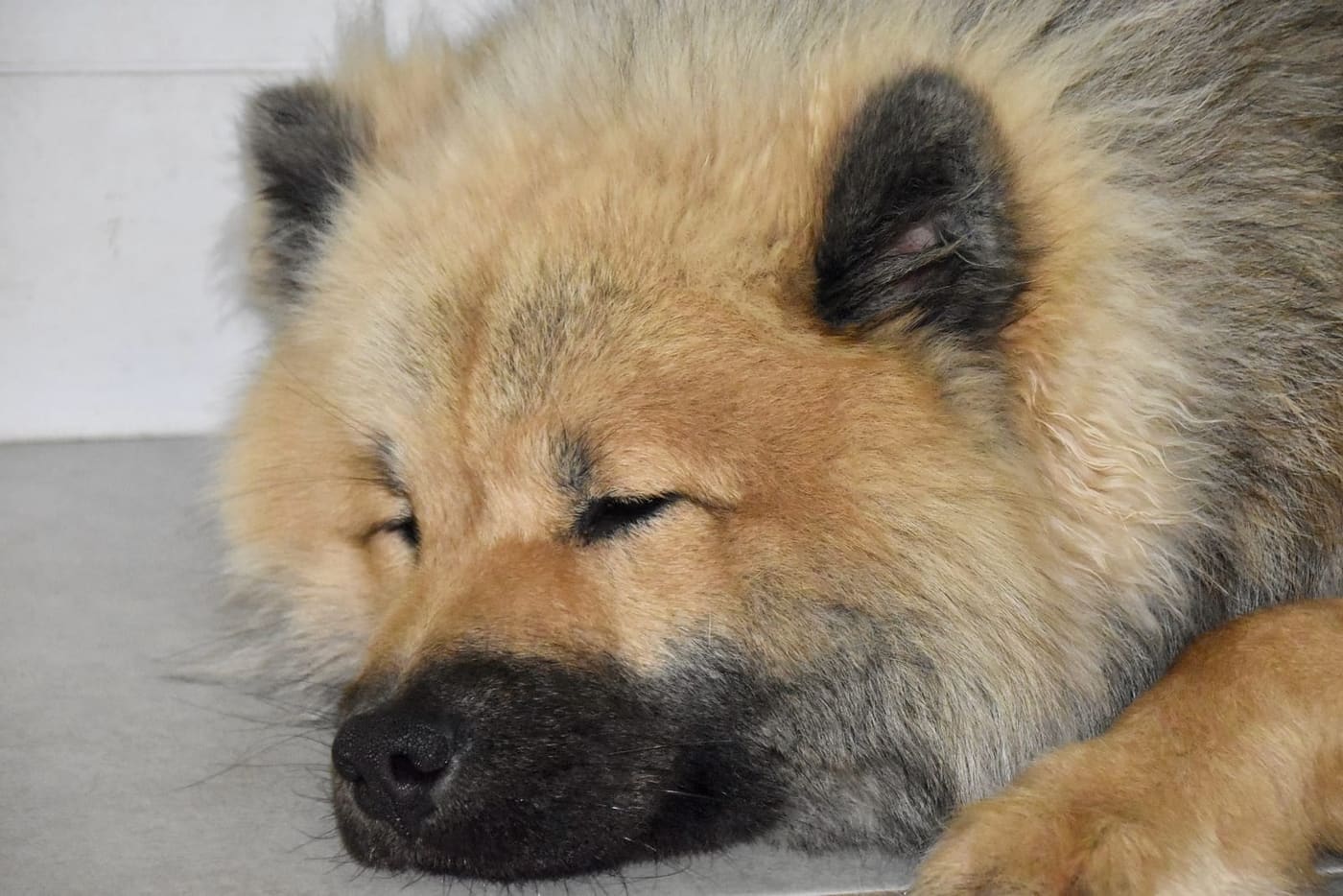
- Double coats (spitzes, husky types): mainly combing out, especially during shedding season. In principle, you shouldn’t shave this type of coat short, that can disrupt its natural protection, and the coat sometimes grows back differently (or unevenly).
- Short smooth coats (Labradors, Staffordshires…): little trimming needed, but regular brushing and the occasional bath.
Between professional sessions, you handle the upkeep yourself: brushing, keeping an eye on nails, and checking ears and teeth. Not sure what your dog needs? Ask your groomer or vet.
What does a grooming session cost?
The price of a session depends on your dog’s size, coat type and region, and on exactly what’s done: a full grooming session (bath, trim, nails, ears) costs more than just a bath or a quick trim-up. Always ask for a quote tailored to your specific dog, a large dog with a thick, matted coat naturally takes more time than a small dog with a short coat.
How do you recognise a good groomer?
A good salon is about more than a nice result, your dog needs to feel safe there:
- Calm and patience. A good groomer takes their time, never forces anything, and reads your dog’s body language.
- Hygiene. A clean workspace, clean equipment, no chaos.
- Transparency. They explain what they’re doing, ask about habits and sensitivities, and give honest advice (even if that’s “trim less often”).
- Knowledge of coat types. They don’t just shave everything short, but choose what suits the coat.
- A good feeling. Does your dog come out relaxed? Good sign you’ve found the right place.
Feel free to ask beforehand how they handle a nervous or young dog. A short first introduction without a full session can work wonders.
Skin problems and sensitive areas
If your dog has a known skin condition, an allergy, or a sensitive area (for example after surgery or with a hot spot), always tell the groomer beforehand. A good salon will take that into account, use mild or hypoallergenic products where needed, and work carefully around sensitive spots. If you’re unsure about the cause of redness, itching or bald patches, see your vet first before booking a grooming session.
Build it up gradually, especially with puppies
Getting used to it early is everything. Start letting your puppy get used to brushing, having its paws held, and the sound of water while it’s still young, with plenty of rewards. A dog that’s familiar with this will be much more relaxed on the grooming table later on. Read more about those first weeks in our piece on the puppy period.
Find a groomer on GoPuppy
On GoPuppy we gather groomers and other dog services near you. Browse the services, or do you know a salon that treats dogs with care? Add it, that way we help each other find the better addresses.
Frequently asked questions
How often should my dog visit the groomer? It depends on the coat type: curly or continuously growing coats need a session every 6 to 8 weeks, double coats mainly seasonal combing out, and short smooth coats hardly any professional grooming at all.
What does a grooming session typically cost? The price depends heavily on size, coat type and region, and on whether it’s a full grooming session or just a bath/trim. Always ask for a quote based on your specific dog.
Can I shave my double-coated dog’s fur short? Better not, unless for medical reasons. A double coat (spitzes, husky types) protects against both cold and heat; shaving it short can disrupt that natural protection and the coat can sometimes grow back differently.
Can I also have my dog groomed at the vet? Some vet practices offer basic care such as nail trimming, but a full grooming session usually happens at a specialised groomer. If there’s a skin issue, an initial vet visit is advisable first.
What if my dog has a skin problem? Always tell the groomer beforehand, so they can take sensitive areas into account and use suitable products. If you’re unsure about the cause of a skin problem, see your vet first.