FCI 8 · Australia

Australian Terrier

The first breed developed in Australia, from rough-coated terriers of British descent.

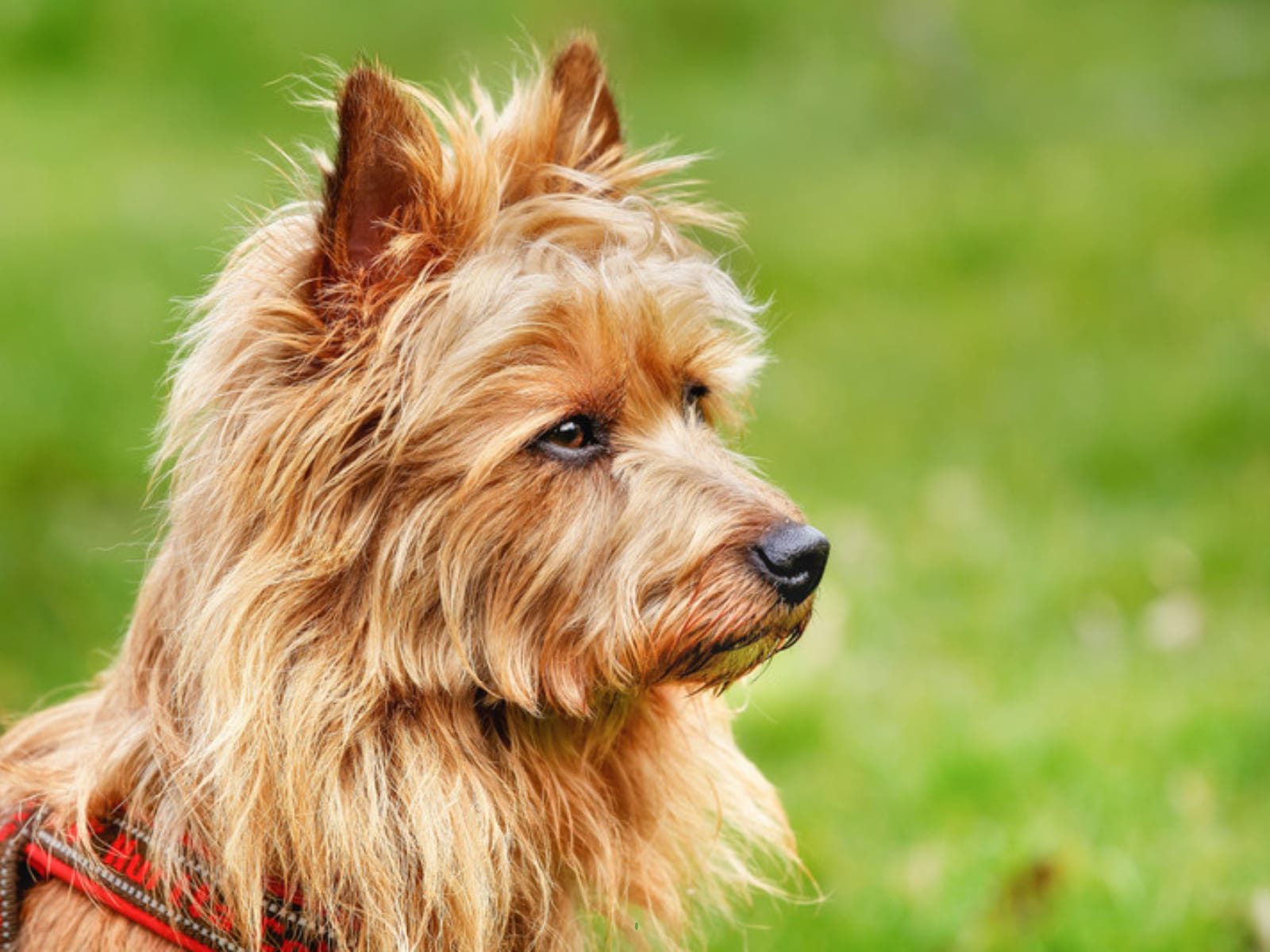
Head of an Australian Terrier in the grass

Breed facts

FCI
no. 8 · group 3, small terriers
Origin
Australia
Height at withers
25 cm
Size
The standard gives about 25 cm and 6.5 kg for dogs; bitches slightly less.
Weight
6.5 kg
Exercise
up to 1 hour a day (according to the Royal Kennel Club)
Lifespan
over 12 years
Coat
medium length, sheds

The GoPuppy profile

These are breed averages and our own assessment. Your own dog’s age, fitness and training matter more.

  1. WalkingLong walksThe Royal Kennel Club gives up to an hour of exercise a day.
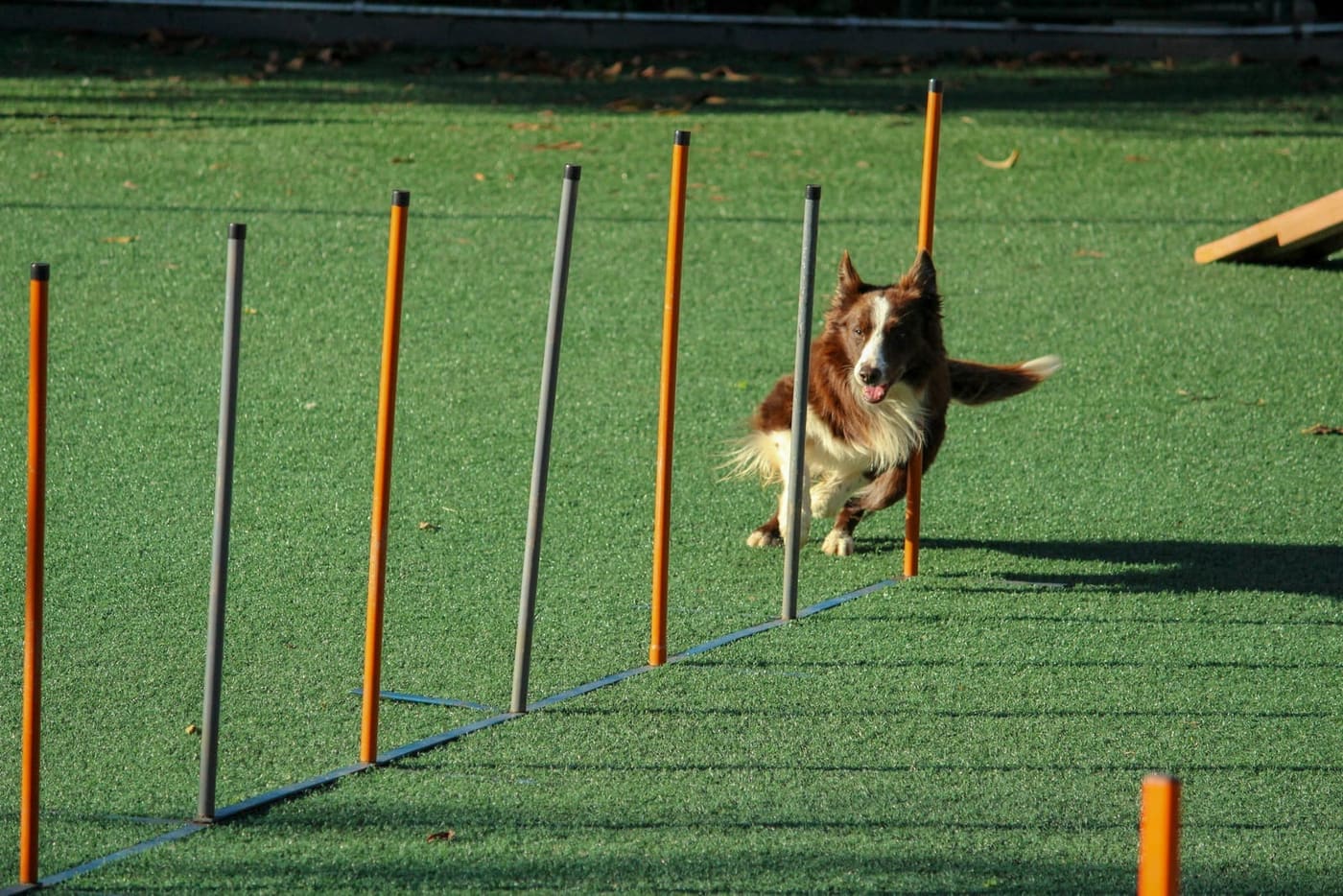
  2. Dog sportScent work and one sportAgility, scentwork and hoopers suit a small working terrier.Suitsagilityscent workhoopers
  3. Terraces and cafésTerrace with some practiceThe standard calls him loyal and even-tempered.
  4. Travel and staysTravels easilySmall and light, easy to take along.
  5. CityCity dogThe RKC says a flat is enough, in town or country.

Temperament

According to the FCI standard the Australian Terrier is essentially a working terrier. His loyalty and even disposition also make him a good companion.

Origin

He was bred as a helper and companion in rough times and terrain. Descended from British ancestors, he is one of the few terriers developed outside the United Kingdom. According to the standard he is also the first breed developed in Australia. He shares his roots with the Australian Silky Terrier: both come from rough-coated terriers in Tasmania, New South Wales and Victoria. These probably included the Skye Terrier, the Scottish Terrier and the Dandie Dinmont Terrier, with the Yorkshire Terrier added at intervals. The FCI places him in Group 3, Section 2, small terriers.

Health

The Royal Kennel Club prioritises genetic diversity and lists no further tests for this breed.

Size

The standard gives about 25 cm and 6.5 kg for dogs; bitches are slightly smaller and lighter.
Health: what a good breeder tests for

  • Prioritising genetic diversity when choosing the parents

Ask for the parents’ results when you visit a litter. This is not medical advice; your vet knows your dog.

Breeders of this breed on GoPuppy

No breeder of this breed on GoPuppy yet.

GoPuppy does not check breeders’ health tests. A listing here is not a seal of approval.

Read also