Walking your dog in autumn: 5 things to watch for
Mushrooms, acorns, ticks and early darkness: five things to watch for in autumn, plus why dogs love an autumn forest so much.
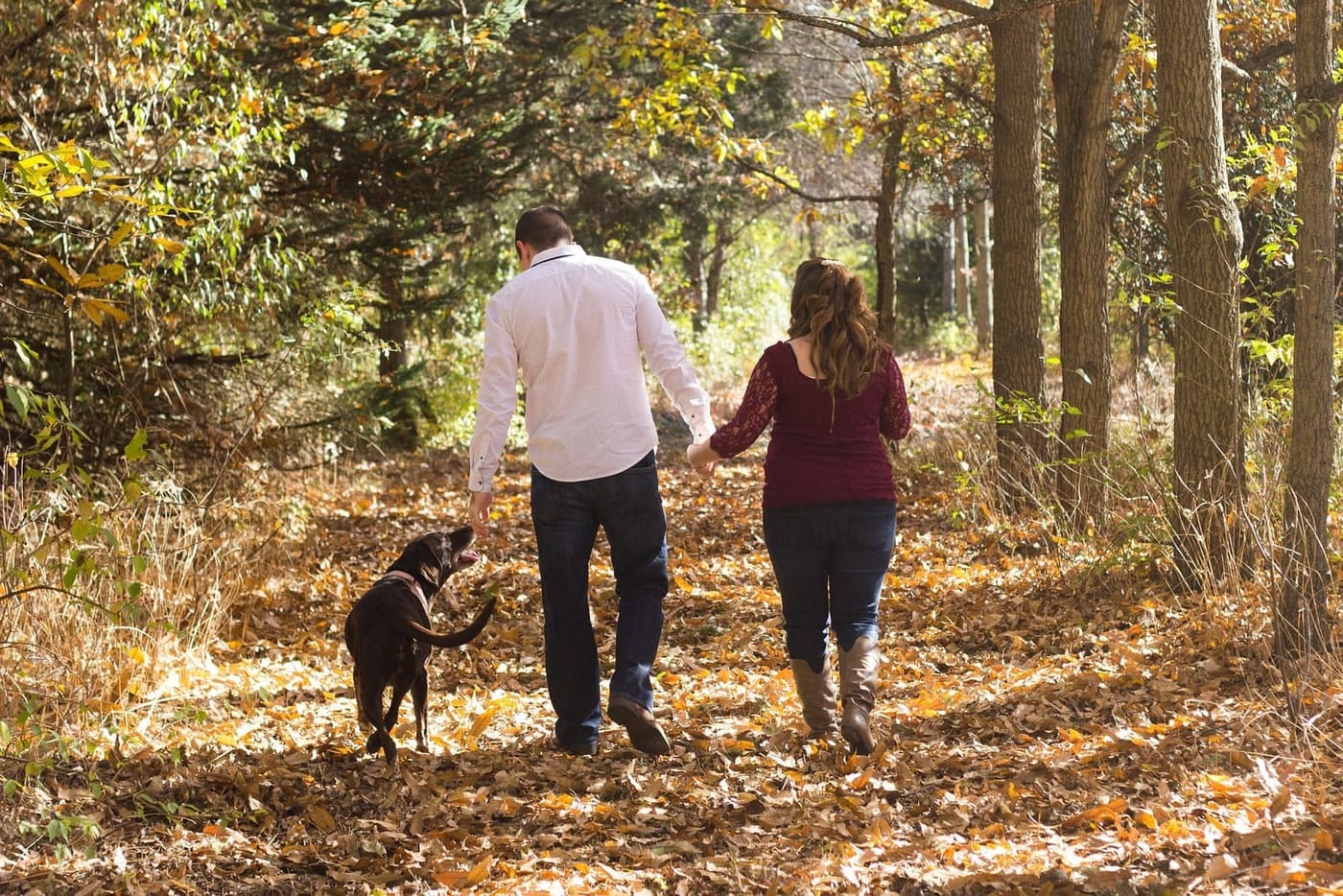
For many dog owners, autumn is the walking season: pleasant temperatures, forests in gold and ochre, and a dog bounding gleefully through the leaves. No summer heat, no winter slipperiness, just a great walk. Still, there are a few things worth keeping an eye on this time of year.
Why dogs love autumn
The cooler air makes long walks more comfortable, even for dogs who struggle with the heat in summer. And autumn is a festival of smells: rotting leaves, mushrooms, wildlife getting ready for winter. To your dog’s nose, the forest has never been this interesting. Give him the time to sniff around, for a dog, that’s at least as tiring and satisfying as the distance itself.
What to watch for along the way
- Mushrooms. Some are toxic to dogs. Most dogs leave them alone, but keep an eye on a dog that eats everything, and teach him “leave it”.
- Acorns and chestnuts. In larger quantities, acorns (and horse chestnuts) aren’t good for dogs. Watch out for the chewers among your four-legged friends.
- Ticks, still active now too. In mild autumn weather, ticks stay active. Check your dog after the walk. See our piece on ticks.
- Hunting season and wildlife. Autumn brings more wildlife activity, and hunting in some areas. Respect signage, keep your dog close and on a leash where required. See also dogs and livestock for grazed areas.
- Earlier darkness. The days shorten fast. Bring a light or a reflective band for the evening walk.
Slippery paths under the leaves
A thick layer of wet leaves hides exactly the things you can slip on: slick roots, stones, an uneven step. When in doubt, slow your pace a little, especially on slopes or near a small bridge. For your dog this is usually no problem (four paws give more grip than two) but older dogs with stiff joints do well, just like you, to take it a bit more carefully.
Coat care in autumn
Many dogs shed their summer coat in autumn to make way for a denser winter one. Extra brushing helps stay ahead of loose hair and mats, and gives you a chance to check the skin underneath, lumps, ticks or irritation are easy to miss under a thicker coat. A dog who walks a lot through wet leaves and mud also benefits from thorough drying after the walk; damp patches in the coat can otherwise become irritated.
Mud comes with the territory
Autumn is wet, and that’s exactly the charm of it, for your dog, anyway. An old towel by the door, some attention for the paws (mud between the toes) and a dry bed afterwards turn coming home into a nice little ritual. A muddy, happy dog is a walk well spent.
Find an autumn walk
Forests, heathland, towpaths along the water, autumn makes them all more beautiful. Discover nature parks and off-leash areas near you on GoPuppy, or add your favourite autumn route so others can find it too. Prefer walking in winter, or want to get more out of your daily walk? We have a guide for that too.
Frequently asked questions
Are mushrooms dangerous for my dog? Some species are. Most dogs naturally leave mushrooms alone, but teach a dog that eats everything the “leave it” cue, and keep an eye on them in areas with lots of mushrooms.
Can my dog eat acorns or chestnuts? Better not, especially not in larger quantities. Acorns and horse chestnuts contain substances that aren’t good for dogs and can also cause a blockage if swallowed.
Are ticks still active in autumn? Yes, in mild autumn weather ticks stay active, even into October and November. Check your dog after every walk, just as in spring and summer.
Why does my dog sniff so much in autumn? Autumn brings a peak in scents: rotting leaves, mushrooms, and wildlife getting ready for winter. To your dog’s nose that’s a festival. Give him extra time to sniff.
What should I watch for during hunting season? Respect signage and closed-off areas, keep your dog close and on a leash where required. If in doubt, check the rules for a specific forest or nature area in advance.