Ticks on your dog: recognising, removing and preventing them
After every walk in the woods, ticks are lurking. Here's how to check your dog, remove a tick correctly and keep them away as much as possible.
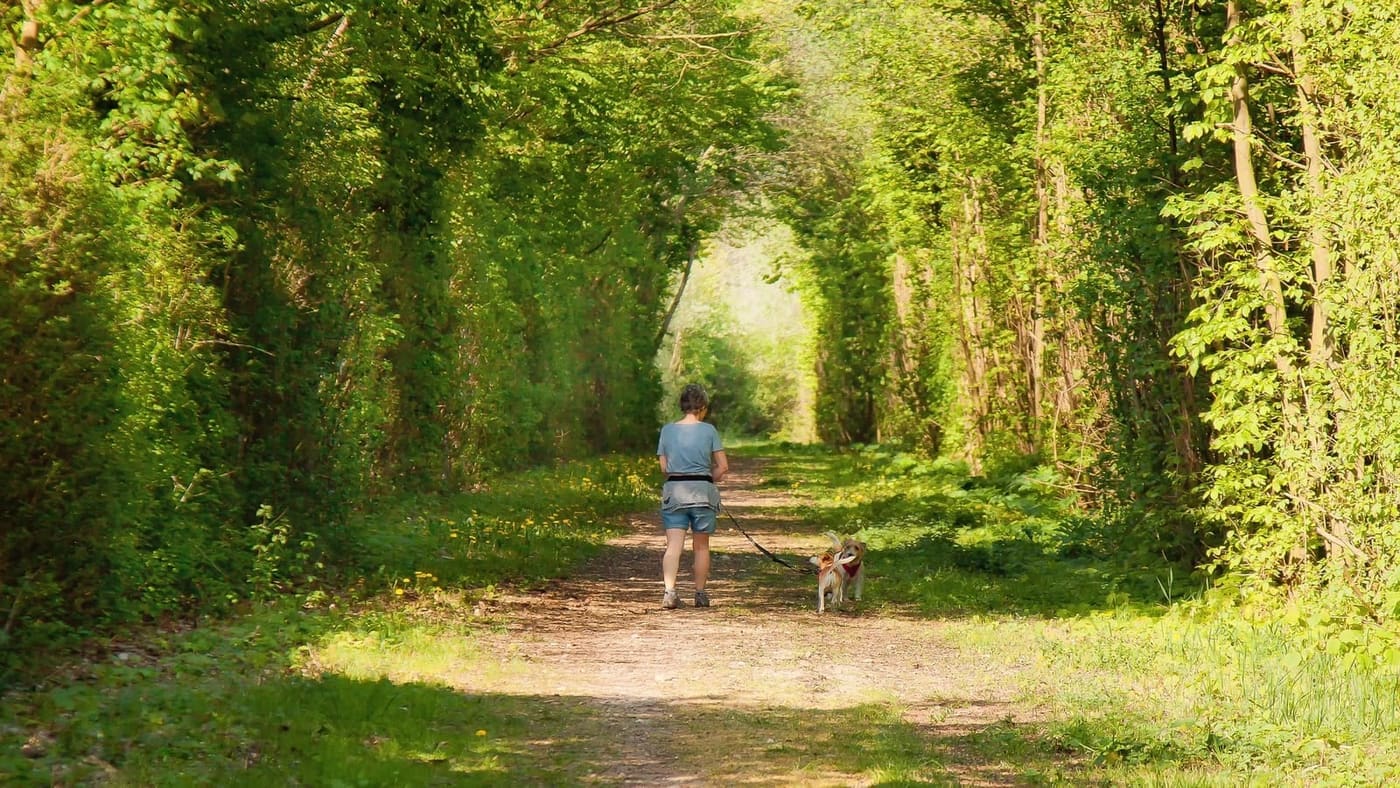
Woodland, tall grass, heathland, dunes, exactly the places your dog loves to sniff around are also the places where ticks lie in wait. Ticks aren’t just annoying, they can transmit diseases. The good news: a short routine keeps the risk small.
This article provides general information, not veterinary advice. Not sure, or is your dog getting sick? Call your vet.
Why you should check your dog for ticks
Ticks sit in vegetation and drop onto your dog as it brushes past. They’re most active in the warm season, but in mild winters you’ll encounter them all year round. A tick bites in and feeds on blood; the longer it stays attached, the greater the chance of transmitting pathogens (such as the bacterium behind Lyme disease). Finding and removing it quickly is therefore the key.
Where do you look for ticks on your dog?
Make it a habit to check your dog by hand after every walk in a natural area. Feel through the coat with your fingers and pay particular attention to the thin, warm spots:
- around the ears and inside the ear flaps
- under the collar and around the neck
- armpits and groin
- between the toes and the paw pads
- around the eyelids and the mouth
An attached tick feels like a small bump. The sooner you find it, the better.
Safely removing a tick
- Use tick tweezers or a tick removal hook (available at your vet or pet shop). Ordinary tweezers can easily crush the tick.
- Grip the tick as close to the skin as possible, not by its body.
- Pull straight out slowly and steadily (with a hook: twist until it releases). Don’t yank.
- Check that the head came off too. Disinfect the spot.
- Note the date. Does your dog develop a red ring, fever, stiffness or lethargy in the weeks after? Call your vet.
Do not use alcohol, oil or fire to “numb” the tick, that actually increases the risk of it regurgitating its stomach contents.
Prevention is better
- Prevention through your vet. There are spot-on treatments, tablets and collars that repel or kill ticks. Which one suits your dog is something to discuss with the vet, it depends on weight, age and lifestyle. Don’t have a regular practice yet? See choosing a vet: what should you look for.
- Avoid the densest undergrowth during peak season and stick a bit more to the paths.
- Keep checking, even with prevention. No product is 100% effective.
And then, back out on the trail
Don’t let ticks hold you back: heading into nature with your dog remains one of the best things there is. With a tick removal hook in your pocket and a quick check afterwards, you can enjoy it worry-free. Looking for a beautiful spot? Browse nature areas and off-leash areas on GoPuppy.