
Adding a second dog: how do you approach it?
Neutral ground, both dogs on a leash, building up step by step: here's how to introduce a second dog to your current dog without unnecessary tension.
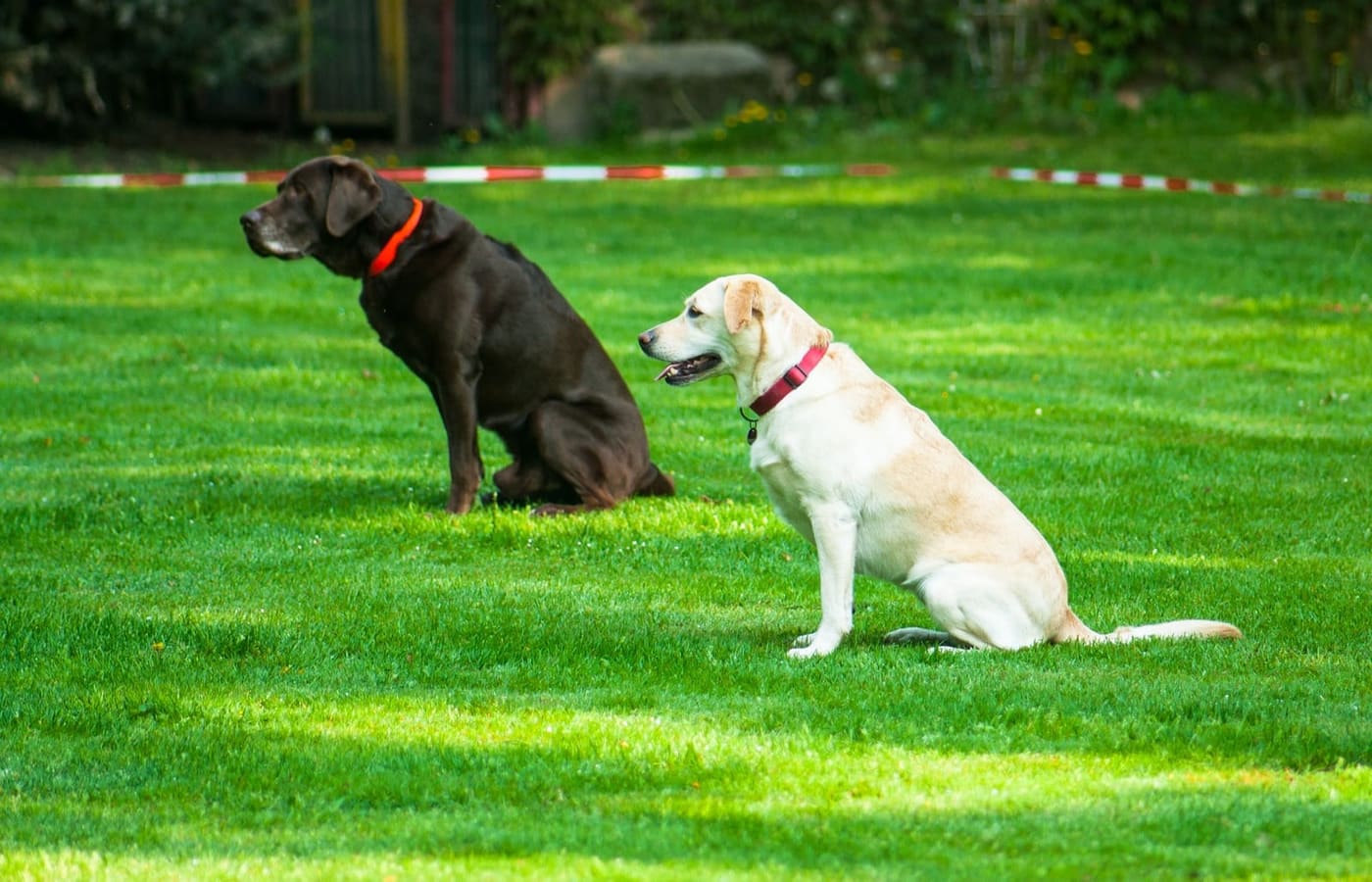
Always introduce a new dog step by step, starting on neutral ground (not straight into your current dog’s house or garden), with both dogs leashed and under control, and build up their time together gradually. Never force physical contact, and keep a constant eye on both dogs’ body language. Whether your second dog comes from a shelter or rescue or from a reputable breeder, the approach is the same.
Why neutral ground matters
Your current dog may react territorially if a new dog immediately enters “his” garden or house. By having the dogs meet for the first time on neutral ground (a quiet street, say, or a patch of ground that isn’t familiar territory for either dog) you reduce the chance of a defensive reaction.
The first meeting
Keep both dogs leashed, but with enough slack that they don’t head straight at each other (a frontal approach often feels more threatening to dogs than a sideways one). Let them sniff calmly, briefly, and watch their body language: a relaxed tail and posture is a good sign, while stiffness, growling or a rigid tail is a signal to create distance and slow things down.
Building it up step by step
After a good first meeting, build the time together gradually: short walks together first, then a bit of time in the garden together under supervision, and only after that time indoors together. Give both dogs individual attention and their own space too (their own bed, their own feeding spot) to avoid jealousy or tension around resources. If the newcomer is a puppy, the guidelines from puppy at home: the first weeks simply apply on top of this.
Signals to take seriously
Growling is communication, not “bad behaviour”, it’s a warning you should take seriously by creating distance, not by punishing the dog for the growling itself. More on body language and stress signals in dog body language explained.
When to look for extra guidance?
If there’s persistent tension, aggression, or if you’re unsure yourself about how it’s going, professional guidance from a dog trainer or behavioural therapist is a sensible step, better to step in early than wait for a situation to escalate. Which lesson format suits that best is covered in choosing a dog training school: group, private or puppy; if either dog is generally insecure, helping an anxious dog can help too.
Frequently asked questions
Should I let the dogs meet indoors together right away? No, start on neutral ground, outside your current dog’s territory.
How long does it take before two dogs can be together comfortably? That varies a lot by dog and situation, expect a gradual build-up over days to weeks, not a single meeting.
What if my current dog growls at the new dog? Take this seriously as communication, give them space, and slow the build-up down, don’t punish the dog for the growling itself.
Do I need a trainer? Not always, but with persistent tension, or if you’re unsure of yourself, professional guidance is a good investment.