Adopting a dog: what to know about dog shelters and rescues
Adopting a dog? Not every dog has to come from a breeder. What to look for at a dog shelter or rescue, and why caution is needed with dogs from abroad.
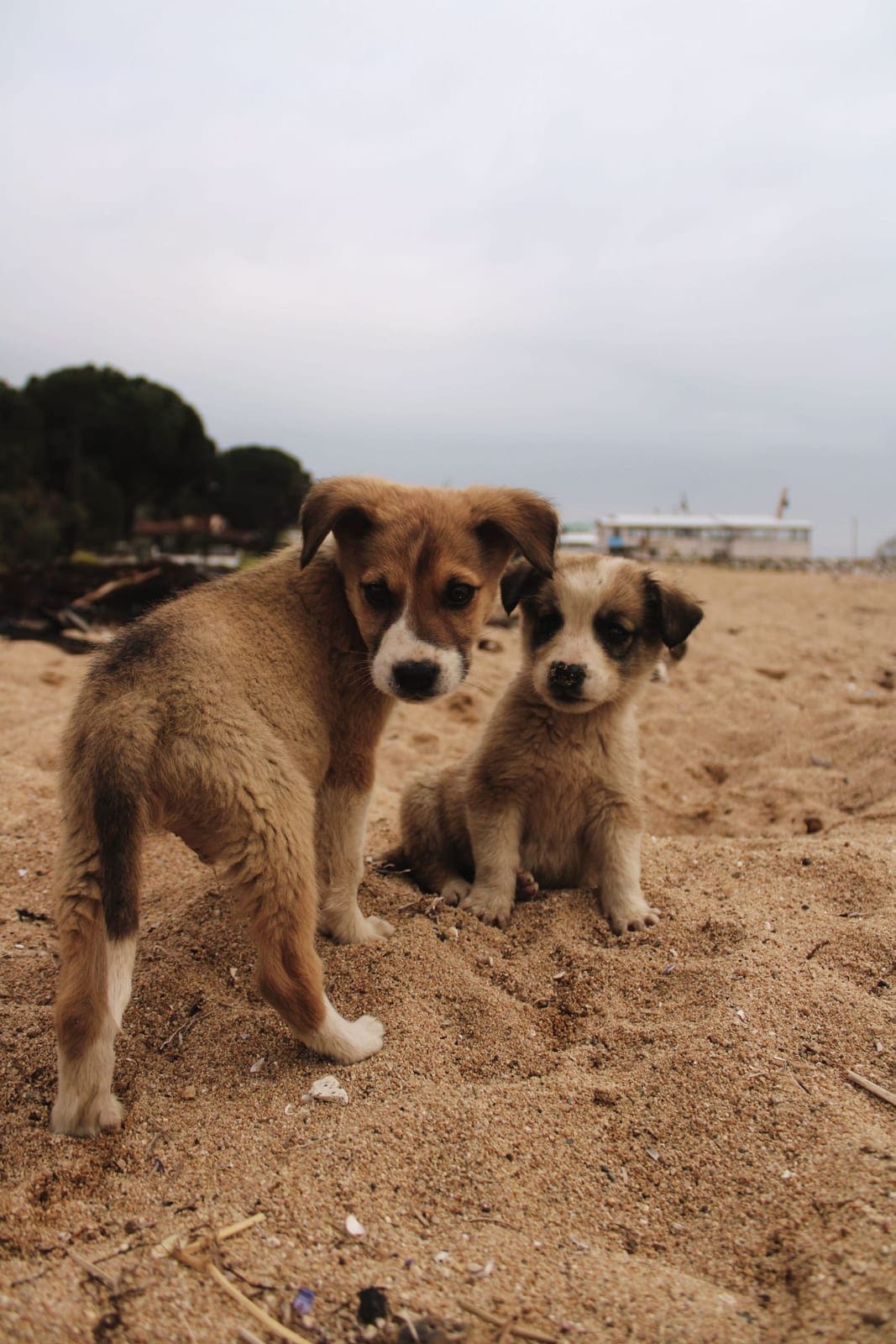
Not every dog that ends up in your home has to be born at a breeder’s. In shelters and rescue centres in Belgium and the Netherlands, puppies and adult dogs alike are waiting for a new home, sometimes because their previous owner could no longer keep them, sometimes because they were brought in as strays. If this resonates alongside our guide to choosing a breeder, here’s what to look out for.
What can you expect from a good shelter or rescue?
A responsible rescue does more than just house dogs in a kennel:
- a health check and, where needed, medical care before a dog is cleared for adoption;
- an intake conversation about your home situation, experience and expectations, a good rescue actively thinks along with you about the right match, not just “first come, first served”;
- honest information about the dog’s character and history, even when it isn’t perfect;
- support after the adoption, with someone you can call with questions.
Chip, registration and health
In Belgium and the Netherlands, a dog must be chipped and registered, a serious shelter has this sorted at the time of adoption, along with the necessary vaccinations and any spaying or neutering. The exact rules and paperwork can differ slightly by region, province or municipality; feel free to ask the shelter for details, or check with your own municipality.
Puppy, young dog or senior?
You’ll find fewer puppies at a shelter than at a breeder, and that’s not a downside: an adult or older dog often already has a character you can assess well, and is usually calmer in the house. Torn between a puppy and an older dog? Think honestly about your own time, energy and experience, a trainer will gladly help you choose what suits you both.
Be cautious with dogs from abroad
Rescue efforts for stray dogs from abroad often come from a good place, but deserve extra attention:
- ask for a complete, verifiable vaccination and health record, including the legally required quarantine and travel periods;
- the history and socialisation of such a dog are often unknown, which can make the first few months harder;
- preferably work with a recognised, transparent organisation that answers your questions honestly, if in doubt, ask your vet for advice before you commit.
The first few weeks at home
Even an adult adopted dog needs to settle in: new scents, a new rhythm, new people. Give them rest, a fixed spot, and a predictable daily routine. Already have a dog at home? Read up first on how to introduce a second dog, that first meeting should happen on neutral ground, not in the hallway. Much of the approach from our guide on the first weeks with a puppy, patience, a consistent routine, positive exposure, applies just as well to an adult dog that’s just come home.
Find dog rescues on GoPuppy
On GoPuppy we list dog-friendly services in Belgium and the Netherlands, including rescues and shelters. Know a rescue that shares this careful approach? Add the place and help future owners make a good choice.