
Recognising an accredited dog school: certifications explained
Dog trainer isn't a protected title. Here's how to recognise an accredited dog school and what certifications to look for.
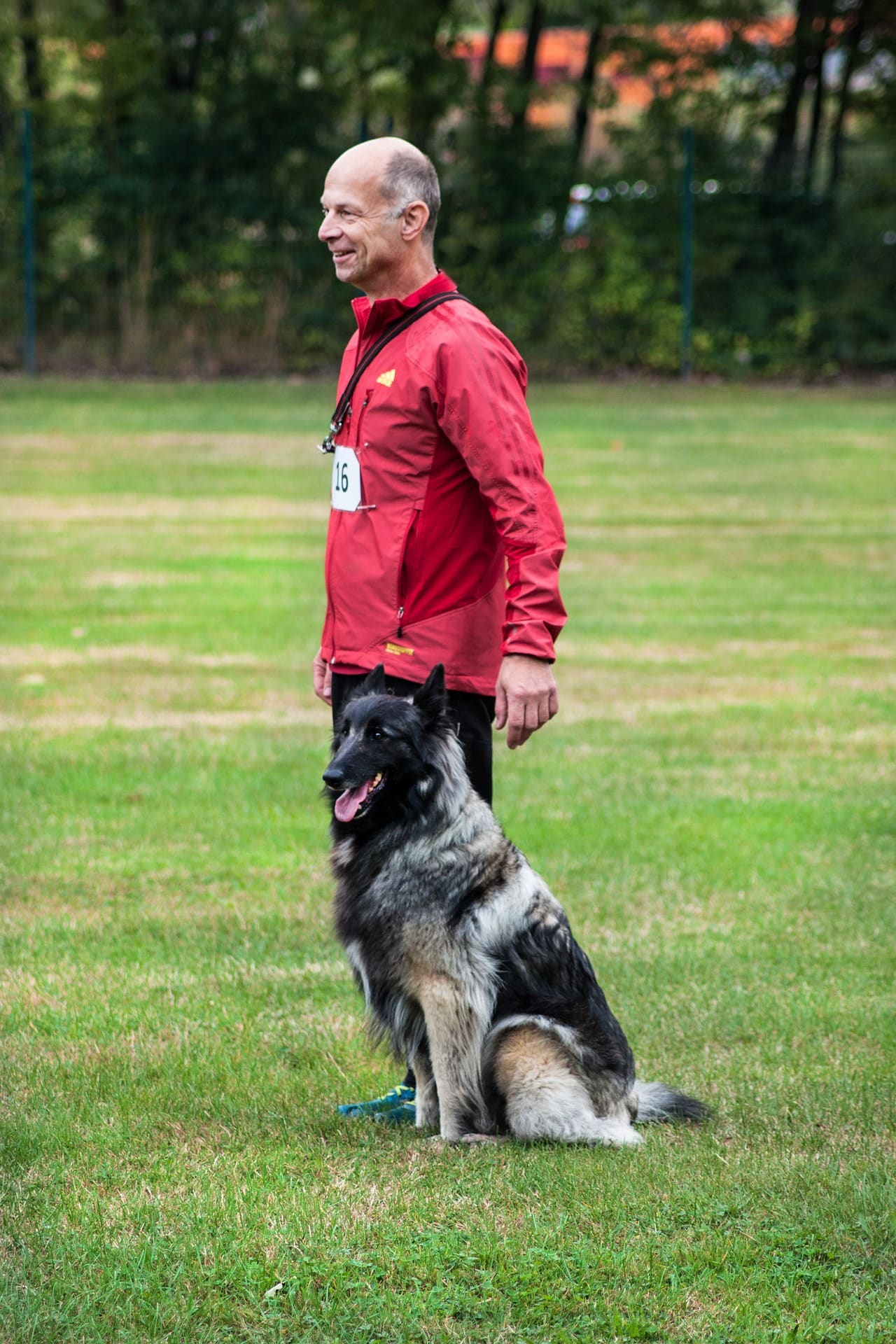
Dog trainer or dog instructor isn’t a protected title, in Belgium and the Netherlands, in principle anyone can call themselves that, regardless of training or experience. A diploma from a recognised organisation or a certification is therefore your most important safeguard when choosing a dog school. This guide runs through the main certifications and registers in Belgium and the Netherlands.
Belgium: KKUSH
KKUSH (Koninklijke Kynologische Unie Sint-Hubertus) is the umbrella cynological organisation in Belgium, to which numerous dog clubs and associations are affiliated. An instructor trained through a club affiliated with KKUSH has usually completed a recognised cynological education. Ask the school about this affiliation if you’re looking for a guarantee of structured training.
Netherlands: Kynologisch Instructeur (Raad van Beheer)
A Kynologisch Instructeur (KI) is a title recognised by the Raad van Beheer op Kynologisch Gebied. To hold this title, an instructor must:
- have completed training at an institute recognised by the Raad van Beheer;
- earn at least 90 continuing-education points every three years;
- teach at a breed club, cynological club or association affiliated with the Raad van Beheer.
You can look up a KI in the Raad van Beheer’s instructor directory, or ask about the official KI certification directly on the school’s website.
Netherlands: NVGH (behavioural therapy)
NVGH (Nederlandse Vereniging van Gedragstherapeuten voor Honden), founded in 1997, represents the interests of canine behavioural therapists in the Netherlands and has around 145 members. Members hold a diploma from a recognised behavioural-therapy training programme and complete annual continuing education. This certification is particularly relevant if you’re looking for dog behavioural therapy rather than regular training.
Netherlands: SPPD
SPPD (Stichting Platform Professionele Diergedragsdeskundigen), active since 2013, keeps a register of accredited animal professionals. The foundation explicitly distinguishes between animal behavioural therapists (therapeutic guidance, often reimbursed by pet insurers) and dog instructors (training and instruction). Vets, physiotherapists and pet shops use this register to refer clients to vetted professionals.
Netherlands: Dierenwelzijn Keurmerk
The Dierenwelzijn Keurmerk (Animal Welfare Certification) is a certification specifically for dog schools, focused on expert guidance and the welfare of both dog and owner. Certified schools are assessed on their expertise, communication and a animal-friendly, reward-based approach.
How do you check this in practice?
- Ask the school or instructor explicitly for their diploma or certificate.
- Look up the instructor’s or school’s name in the membership register of the relevant organisation (KKUSH, Raad van Beheer, NVGH, SPPD or Dierenwelzijn Keurmerk each keep their own directory).
- A certification is a strong indication, but not a guarantee, always combine it with a trial lesson to see whether the approach really suits your dog.
Frequently asked questions
Is ‘dog trainer’ a protected title? No. Anyone can call themselves a dog trainer or dog instructor, regardless of training or experience. A diploma or certification is therefore your most important safeguard.
Which certification applies in Belgium? Look for an instructor trained through a club affiliated with KKUSH.
Which certifications apply in the Netherlands? Recognition as a Kynologisch Instructeur (Cynological Instructor) via the Raad van Beheer, the Dierenwelzijn Keurmerk for schools, and for behavioural work specifically, the registers of NVGH and SPPD.
How do I check whether an instructor is genuinely accredited? Ask for the diploma or certificate and look up the instructor’s or school’s name in the membership register of the relevant organisation, most of them keep a public search function.