FCI 135 · Sweden

Swedish Lapphund

A black spitz that herded reindeer for the Sami and is now mostly a family dog.

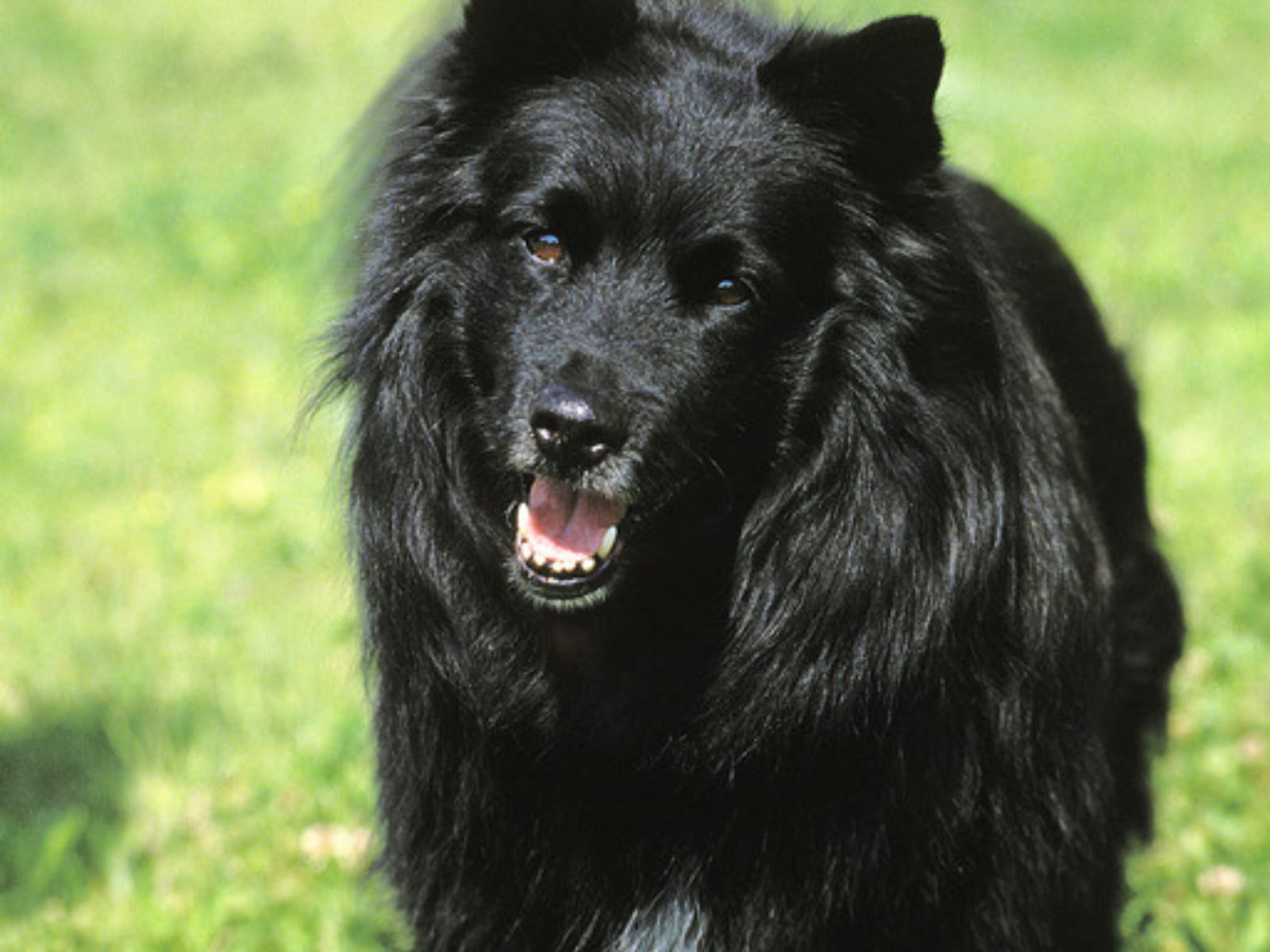
Head of a black Swedish Lapphund on a lawn

Breed facts

FCI
no. 135 · group 5, Nordic watchdogs and herders
Origin
Sweden
Height at withers
male 45–51 cm · female 40–46 cm
Size
The standard gives 48 cm as ideal for dogs and 43 cm for bitches, with a 3 cm allowance. It gives no weight.
Exercise
up to 1 hour a day (according to the Royal Kennel Club)
Lifespan
over 10 years
Coat
medium length, sheds

The GoPuppy profile

These are breed averages and our own assessment. Your own dog’s age, fitness and training matter more.

  1. WalkingLong walksThe Royal Kennel Club gives up to an hour of exercise a day.
  2. Dog sportSports partnerThe standard itself names obedience, agility, herding and tracking.Suitsobedienceagilityherdingscent work
  3. Terraces and cafésTerrace after trainingThe standard calls him lively, kind and affectionate.
  4. Travel and staysTravels with some planningMedium-sized, he fits in an ordinary car.
  5. CityBetter with a gardenThe RKC suggests a small house with a small to medium garden, in town or country.

Temperament

According to the FCI standard, the Lapphund is lively, alert, kind and affectionate. He learns easily, likes to work and has plenty of stamina. The standard names obedience, agility, herding and tracking as activities that suit him.

Origin

The breed has been known in the Nordic region for centuries. The nomadic Sami used him for herding reindeer, hunting and guarding. The Royal Kennel Club notes that in Sweden he is now valued mainly as an intelligent, trainable family dog. The coat is double and dense, usually solid black, sometimes with brown bronzing. A related breed is the Finnish Lapphund. The FCI places him in group 5, section 3, Nordic watchdogs and herders.

Health

The Royal Kennel Club prioritises genetic diversity and lists no further tests for this breed.

Size

The standard gives 48 cm as ideal for dogs and 43 cm for bitches, with a 3 cm allowance. It gives no weight.

Health: what a good breeder tests for

  • Prioritising genetic diversity when choosing the parents

Ask for the parents’ results when you visit a litter. This is not medical advice; your vet knows your dog.

Breeders of this breed on GoPuppy

No breeder of this breed on GoPuppy yet.

GoPuppy does not check breeders’ health tests. A listing here is not a seal of approval.

Read also