FCI 88 · Great Britain

Shetland Sheepdog

A small sheepdog from the Shetland Isles, also home of the Shetland pony. At Crufts in 1906 he was still shown as a miniature Collie.

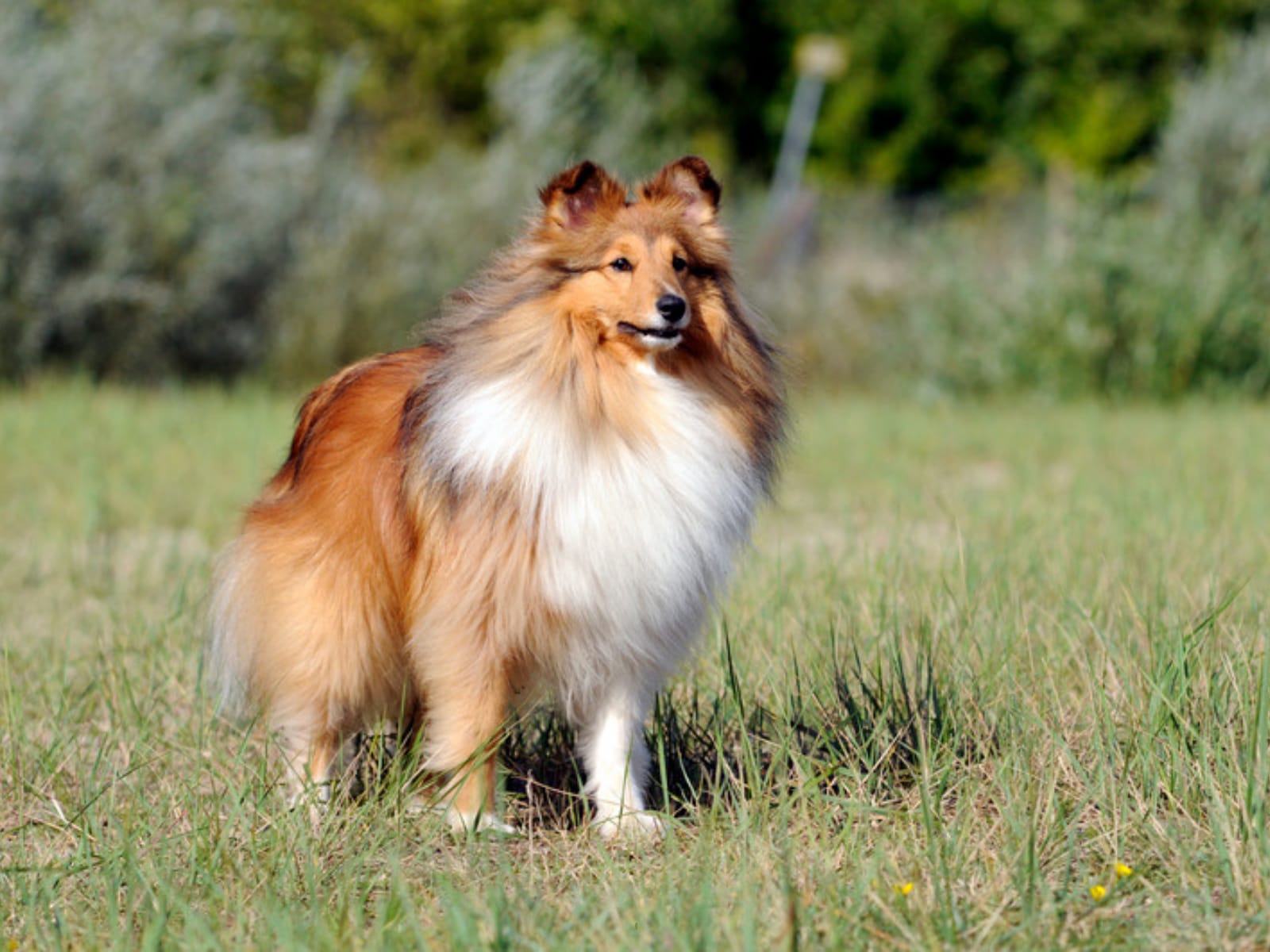
Shetland Sheepdog standing in a field

Breed facts

FCI
no. 88 · group 1, sheepdogs
Origin
Great Britain
Height at withers
male 37 cm · female 35.5 cm
Size
That is the ideal height; more than 2.5 cm above or below is highly undesirable according to the standard.
Exercise
up to 1 hour a day (according to the Royal Kennel Club)
Lifespan
over 10 years
Coat
medium length, sheds

The GoPuppy profile

These are breed averages and our own assessment. Your own dog’s age, fitness and training matter more.

  1. WalkingLong walksThe Royal Kennel Club gives up to an hour of exercise a day. A healthy Sheltie happily walks further.
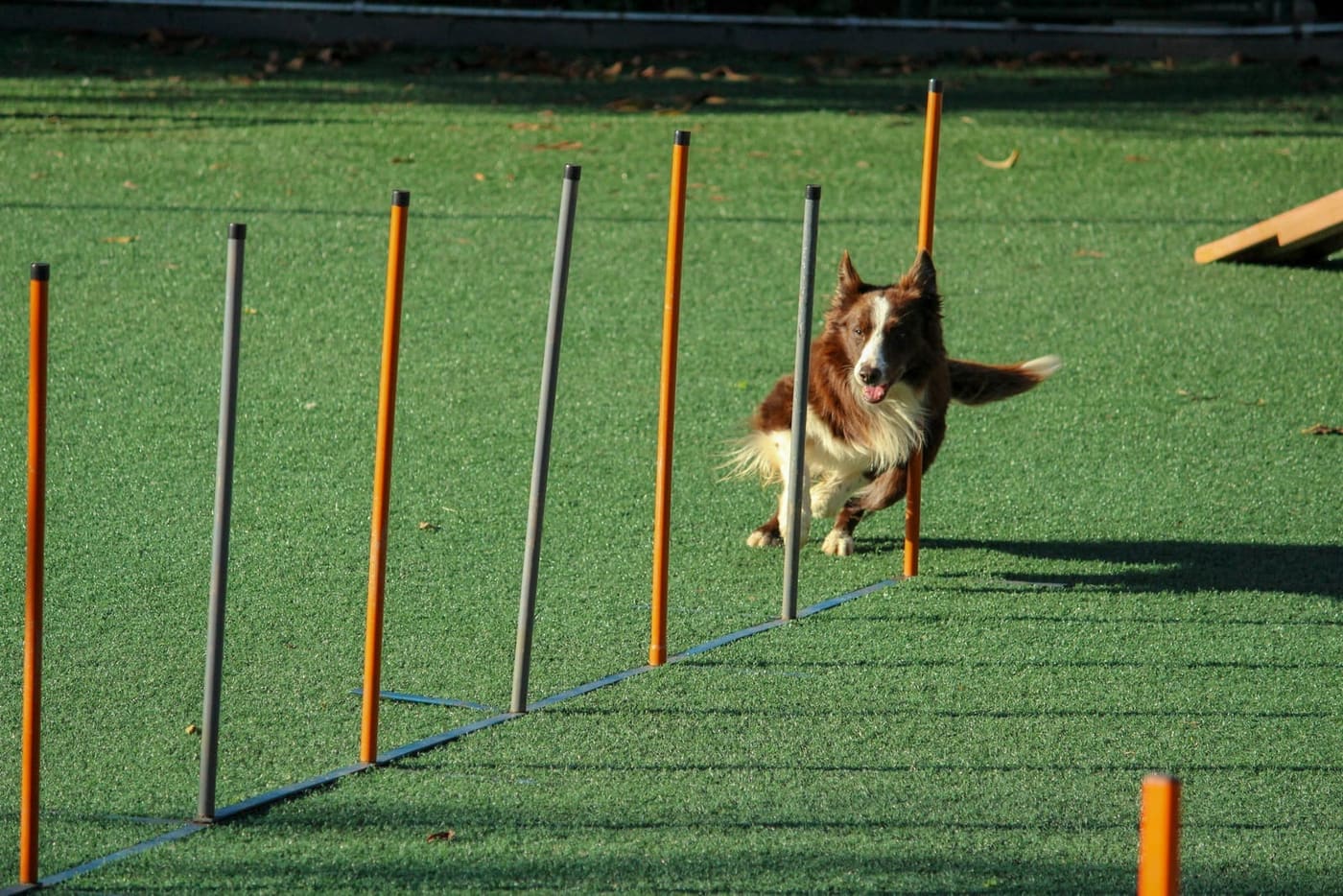
  2. Dog sportSports partnerThe Royal Kennel Club mentions his success in obedience and agility. Hoopers and herding suit him too.Suitsagilityobediencehoopersherding
  3. Terraces and cafésTerrace after trainingThe standard calls him affectionate towards his owner and reserved with strangers, never nervous.
  4. Travel and staysTravels with some planningSmall and easy to take along.
  5. CityTown or villageThe Royal Kennel Club suggests a small house with a small to medium garden, in town or country.

Character

According to the FCI standard, the Sheltie is alert, gentle, intelligent, strong and active. He is affectionate and responsive to his owner, reserved towards strangers and never nervous.

Origin

The Shetland Isles, off the northeast coast of Scotland, produced animals to suit their small acreage: the Shetland pony and the Sheltie. According to the Royal Kennel Club, the Scottish sheepdogs that gave rise to the Collie, the Border Collie and the Bearded Collie also played a part. At Crufts in 1906 he was shown as a miniature Collie; the two standards differ in details. The FCI places him in Group 1, section 1, sheepdogs.

Coat and health

The long double coat needs daily care, according to the RKC. The RKC puts genetic diversity first and asks for eye testing, puppies included. It also lists DNA tests for Collie eye anomaly (CEA/CH), MDR1 (multi-drug sensitivity), two forms of PRA and von Willebrand disease, plus hip and elbow testing.

Size

The ideal height is 37 cm for males and 35.5 cm for females. More than 2.5 cm above or below is highly undesirable according to the standard.
Health: what a good breeder tests for

  • Prioritising genetic diversity when choosing the parents
  • Eye testing, puppies included
  • DNA test for Collie eye anomaly (CEA/CH)
  • DNA test for MDR1 (multi-drug resistance)
  • DNA test for PRA (BBS2 and CNGA1)
  • DNA test for von Willebrand disease (vWD3-2)
  • Hips (X-ray, official result)
  • Elbows (X-ray, official result)

Ask for the parents’ results when you visit a litter. This is not medical advice; your vet knows your dog.

Breeders of this breed on GoPuppy

No breeder of this breed on GoPuppy yet.

GoPuppy does not check breeders’ health tests. A listing here is not a seal of approval.

Read also