FCI 39 · Great Britain

Pembroke Welsh Corgi

A small British cattle dog on short legs. His standard describes a low-set, sturdy dog 'giving impression of substance and stamina in small space'.

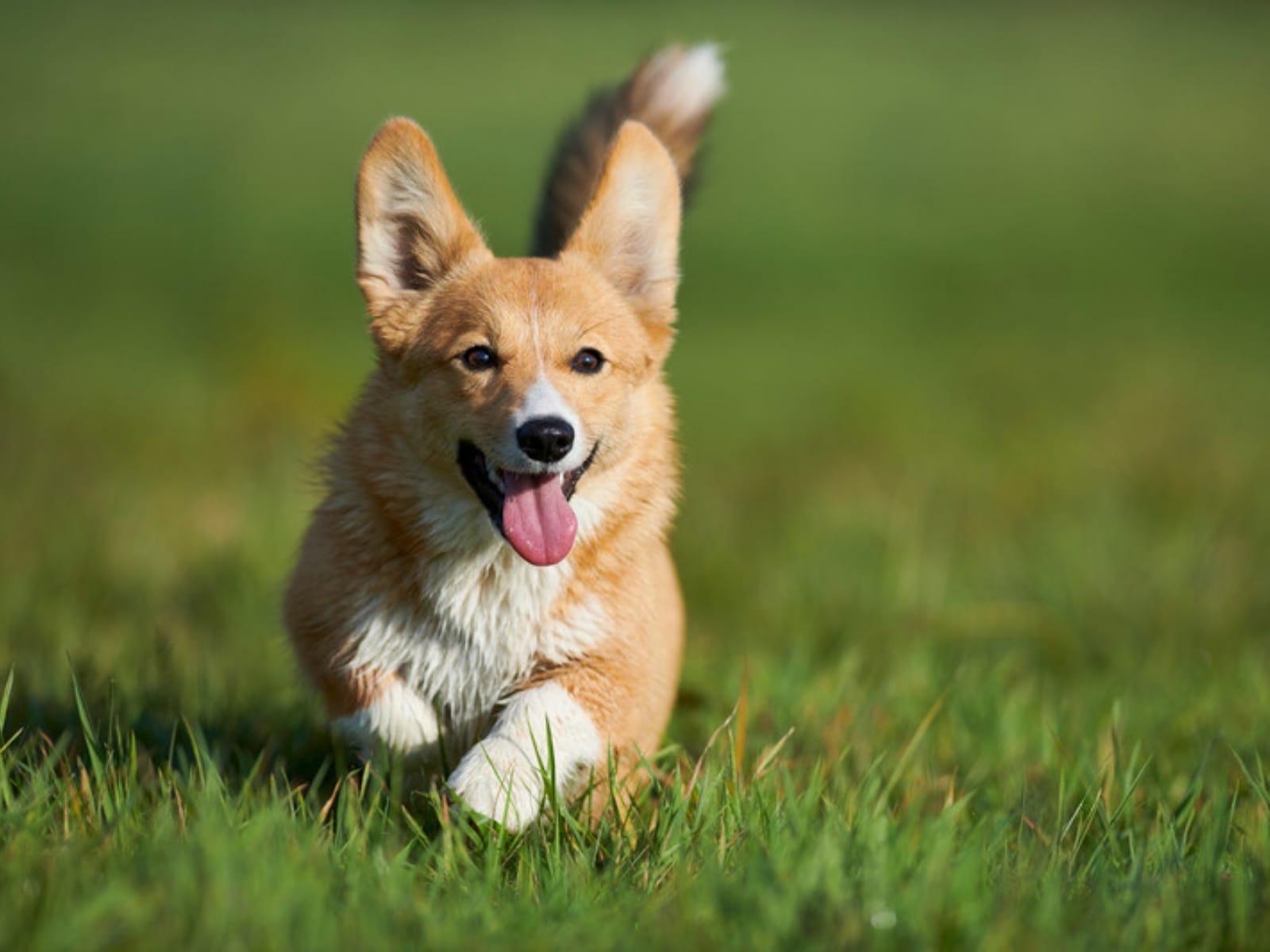
Pembroke Welsh Corgi running across the grass

Breed facts

FCI
no. 39 · group 1, cattle dogs
Origin
Great Britain
Height at withers
25–30 cm
Weight
male 10–12 kg · female 9–11 kg
Exercise
up to 1 hour a day (according to the Royal Kennel Club)
Lifespan
over 12 years
Coat
short, sheds

The GoPuppy profile

These are breed averages and our own assessment. Your own dog’s age, fitness and training matter more.

  1. WalkingLong walksThe Royal Kennel Club gives up to an hour of exercise a day. A healthy Corgi happily walks further; keep distances sensible for his short legs.
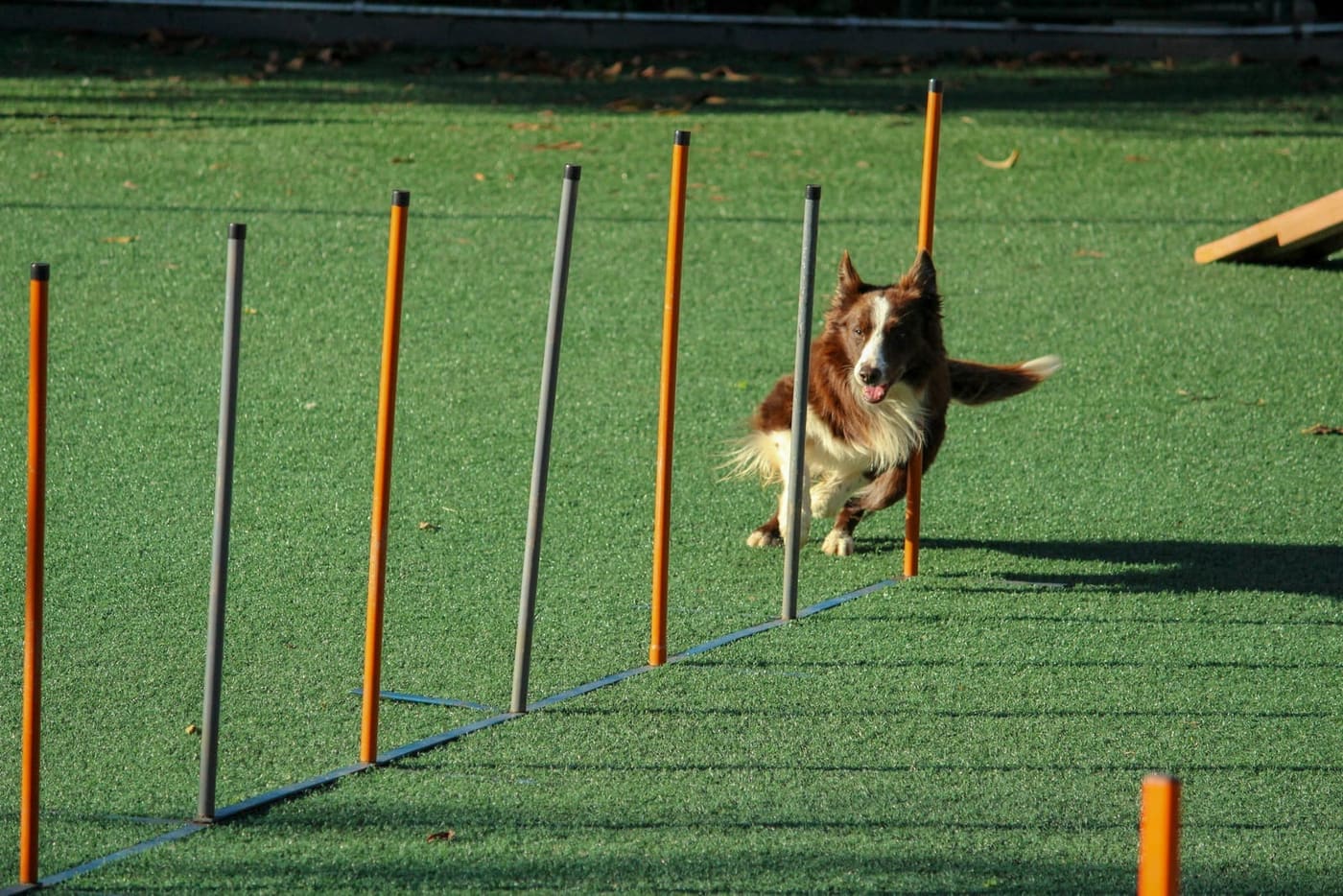
  2. Dog sportSport with a build-upHerding, agility in the small classes and hoopers suit a working cattle dog.Suitsherdingagilityhoopers
  3. Terraces and cafésTerrace with some practiceThe standard calls him 'outgoing and friendly, never nervous or aggressive'. Small enough to lie under a table.
  4. Travel and staysTravels with some planningSmall and sturdy, easy to take in the car.
  5. CityTown or villageThe Royal Kennel Club says a small house with a small to medium garden is enough, in town or country.

Character

The FCI standard describes the Pembroke as bold in outlook and workmanlike, outgoing and friendly, never nervous or aggressive. He is alert and active, and built for work: low to the ground, sturdy and with plenty of stamina for his size.

Origin and two breeds

The Pembroke comes from Great Britain, from Wales, where corgis drove cattle. There are two separate breeds: the Pembroke Welsh Corgi and the Cardigan Welsh Corgi, each with its own standard. In Belgium and the Netherlands the Pembroke is the better known. The FCI places him in Group 1, section 2, cattle dogs.

Health and size

The Royal Kennel Club recommends hip testing for breeders. Height at the withers is about 25 to 30 cm; males weigh 10 to 12 kg, females 9 to 11 kg.
Health: what a good breeder tests for

  • Hips (X-ray, official result)

Ask for the parents’ results when you visit a litter. This is not medical advice; your vet knows your dog.

Breeders of this breed on GoPuppy

No breeder of this breed on GoPuppy yet.

GoPuppy does not check breeders’ health tests. A listing here is not a seal of approval.

Read also