FCI 50 · Canada

Newfoundland

A giant water dog from Canada, described in his standard as a sledge dog for heavy loads and a water dog. He is known for his gentleness and serenity.

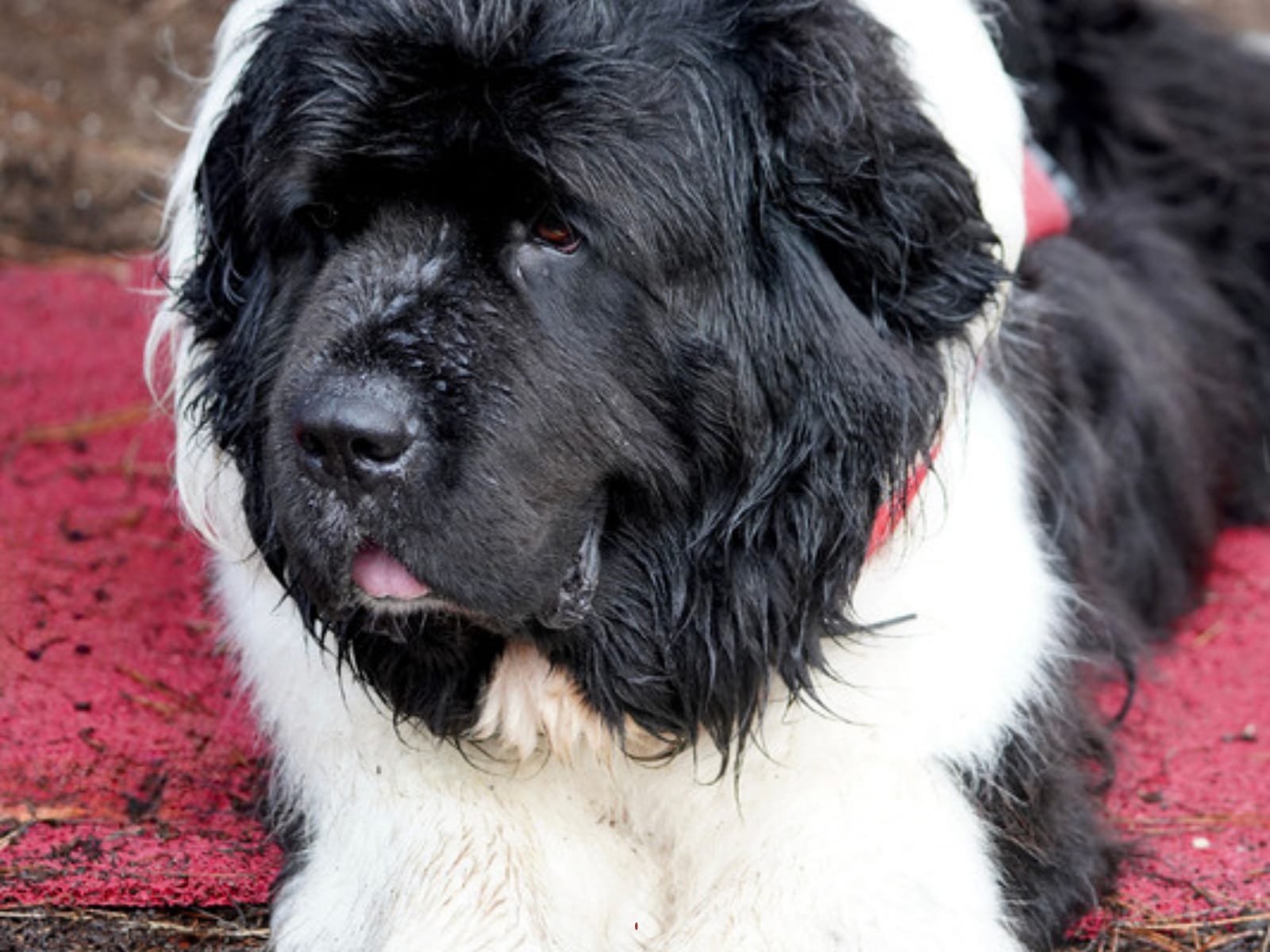
Black and white Newfoundland, close-up

Breed facts

FCI
no. 50 · group 2, molossoid, mountain type
Origin
Canada
Size
On average 71 cm and about 68 kg for males, 66 cm and about 54 kg for females.
Exercise
up to 1 hour a day (according to the Royal Kennel Club)
Lifespan
under 10 years
Coat
medium length, sheds

The GoPuppy profile

These are breed averages and our own assessment. Your own dog’s age, fitness and training matter more.

  1. WalkingOne to two hoursThe Royal Kennel Club gives up to an hour of exercise a day. Easy walks, ideally with water nearby.
  2. Dog sportScent work and one sportSwimming and carting suit a water and draught dog. Wait until he is fully grown before he pulls.Suitsswimmingcarting
  3. Terraces and cafésTerrace with some practiceThe standard calls him 'dignified, joyful and creative', known for his 'sterling gentleness and serenity'.
  4. Travel and staysRules or heat when travellingA giant with a thick coat: a roomy car, accommodation that accepts large dogs, and extra care in the heat.
  5. CityNeeds a big gardenThe Royal Kennel Club assumes a large house with a large garden, in the country.

Character

According to the FCI standard, the Newfoundland’s expression reflects benevolence and softness. He is dignified, joyful and creative, and known for his gentleness and serenity.

Origin

The Newfoundland comes from Canada. The standard describes him as a sledge dog for heavy loads and a water dog. The FCI places him in Group 2, section 2.2. The same section includes the Landseer, a black and white dog that the FCI recognises as a separate breed.

Coat and health

The Royal Kennel Club counts on daily coat care and gives a lifespan of under ten years. Breeders should do a DNA test for cystinuria and test hips, elbows and eyes.

Size

On average a male measures 71 cm and weighs about 68 kg, a female 66 cm and about 54 kg. The standard wants a large dog, but not at the expense of symmetry, soundness and correct gait.
Health: what a good breeder tests for

  • DNA test for CU (cystinuria)
  • Hips (X-ray, official result)
  • Elbows (X-ray, official result)
  • Eye testing

Ask for the parents’ results when you visit a litter. This is not medical advice; your vet knows your dog.

Breeders of this breed on GoPuppy

No breeder of this breed on GoPuppy yet.

GoPuppy does not check breeders’ health tests. A listing here is not a seal of approval.

Read also