
Swimming with your dog: cooling off safely in the water
Not every dog is a born swimmer, and not every body of water is safe. Here's how to let your dog enjoy a refreshing dip, relaxed and safe.
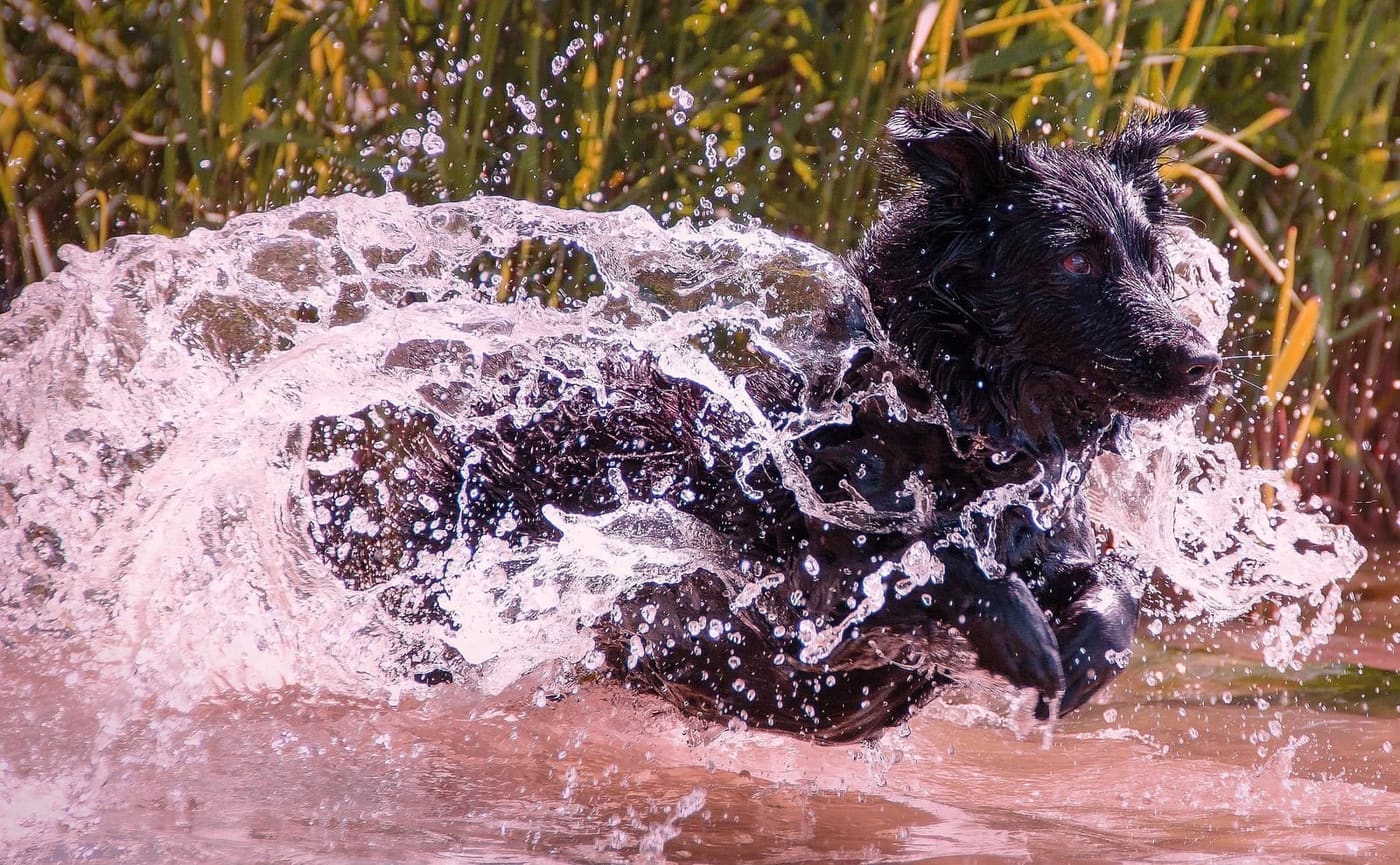
Few things are as infectious as a dog ploughing through the water: ears flapping, tail going like a propeller. Swimming is a lovely way to cool off, and a joint-friendly form of exercise too. But water also calls for some attention, here’s how to keep it safe and fun.
Not every dog is (equally) keen to swim
Swimming comes naturally to a lot of dogs, but far from all of them. Breeds with short legs or a heavy, short-muzzled build have a harder time and tire more quickly. Never force it: don’t throw a hesitant dog into the water. Build it up calmly from the edge, with rewards, in shallow, calm water. Not sure about your dog’s stamina or build? A life vest offers support and peace of mind, especially near currents or boats.
Choose safe water
- Currents and tides. Rivers, canals and the sea can have deceptive currents. Stay on the side when the water is unfamiliar.
- Blue-green algae. In warm, still freshwater ponds, blue-green algae can appear, toxic to dogs. See a green, floating layer or a warning sign? Stay out. If your dog has drunk from it or swum in it anyway, and shows vomiting, drooling or wobbliness, call your vet immediately, this is an emergency.
- Getting in and out. Make sure your dog can easily get back onto the bank; steep or slippery banks are a trap.
- Underwater. Watch for sharp stones, glass, barbed wire or debris.
- Swimming pools. A private pool is only safe for a dog with the owner’s explicit permission and a fixed exit point in view. Public pools generally don’t allow dogs, for hygiene reasons.
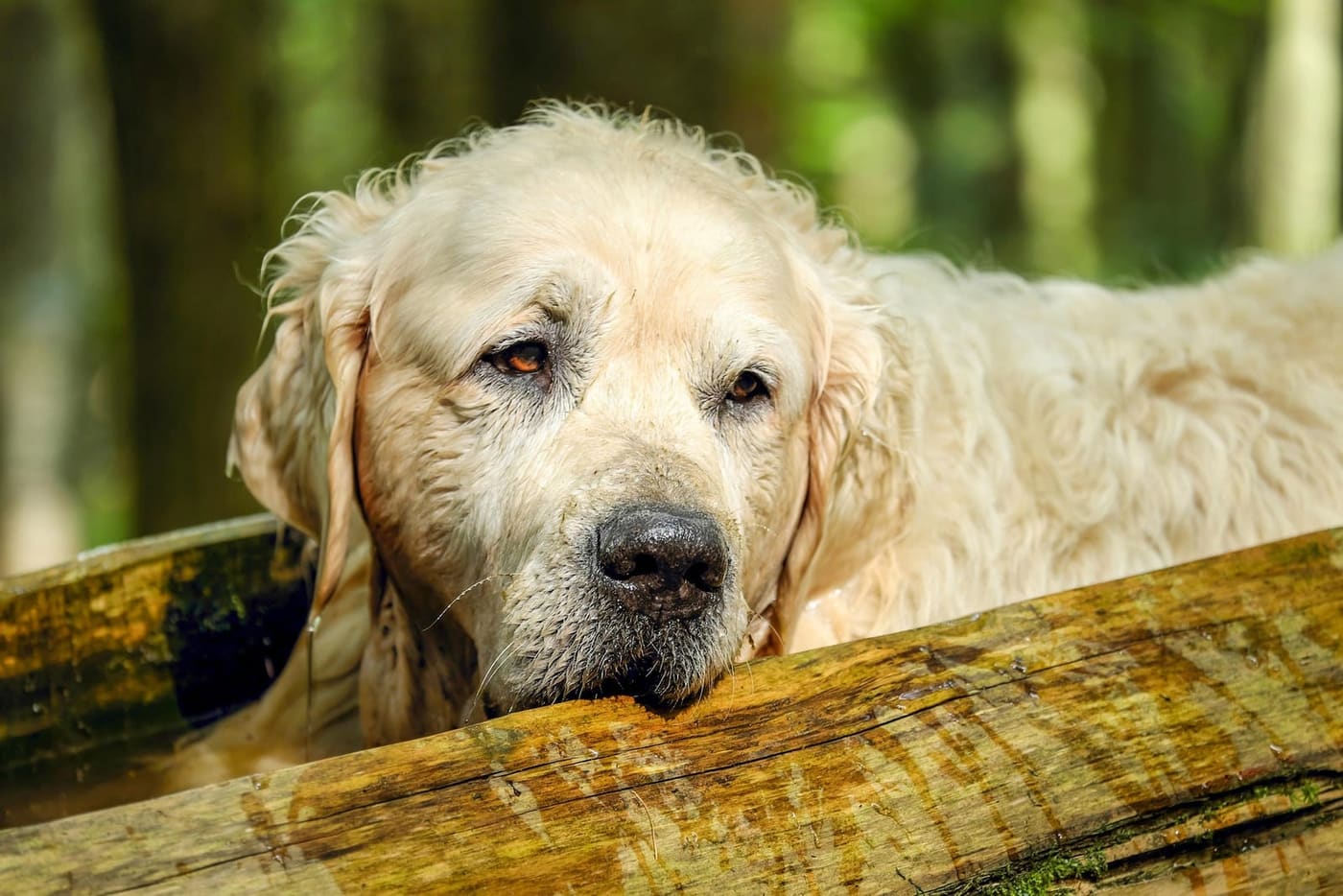 After a refreshing dip, a bit of downtime in a shady spot is exactly what a dog needs.
Spot fatigue in time
A dog tires out faster in water than on land, and doesn’t always notice it in time himself. Watch for signs like swimming more slowly or unevenly, the head sitting lower in the water, laboured breathing, or trouble getting back onto land. Calmly call your dog back to shore and let him rest. Puppies, older dogs and dogs swimming for the first time sometimes overestimate themselves. Keep the first sessions short.
After the swim
Always bring fresh drinking water: seawater, chlorinated pool water and dirty puddle water are all bad news for your dog, and swimming works up a real thirst. At the coast, a few extra points apply for salt and sand. See our guide to dog-friendly beaches.
- Rinse off. Salt, chlorine and mud irritate the skin; a quick rinse with fresh water helps.
- Dry the ears. Moisture in the ears can lead to irritation or an ear infection, pat them dry gently, especially with floppy-eared dogs. If your dog is still shaking his head or scratching an ear after a few days, see your vet.
- Allow rest. A dog who’s swum a lot is genuinely tired. Let him recover in the shade.
Looking for a place to swim?
Check out the nature spots on GoPuppy, or add a great swimming spot.
Frequently asked questions
Can every dog swim? No. Breeds with short legs or a heavy, short-muzzled build have a harder time and tire more quickly. Never force a dog into the water, build it up calmly with rewards in shallow, calm water.
What is blue-green algae and why is it dangerous? Blue-green algae is a bacterial bloom that can appear in warm, still freshwater and is toxic to dogs. If you see a green, floating layer or a warning sign, stay out; if your dog has drunk from it or swum in it and shows vomiting, drooling or wobbliness, call your vet immediately, this is an emergency.
How long can my dog swim at a time? Build it up gradually and watch for signs of fatigue: swimming more slowly, laboured breathing, or trouble getting back onto the bank are all signals to stop. A life vest offers extra support, especially if you’re unsure about your dog’s stamina.
Can my dog swim in a swimming pool? Only if the owner explicitly allows it, most public pools ban dogs for hygiene reasons. Chlorinated water also isn’t healthy to drink; always rinse your dog off afterwards.
Why does my dog sometimes get an ear infection after swimming? Moisture trapped in the ear canal is a breeding ground for bacteria and yeast, especially in floppy-eared dogs. Gently dry the ears after swimming and see your vet for persistent scratching, smell or redness.