FCI 360 · Great Britain

Lancashire Heeler

A small cattle dog from around Ormskirk, with the low build of a corgi and the markings of a Manchester Terrier.

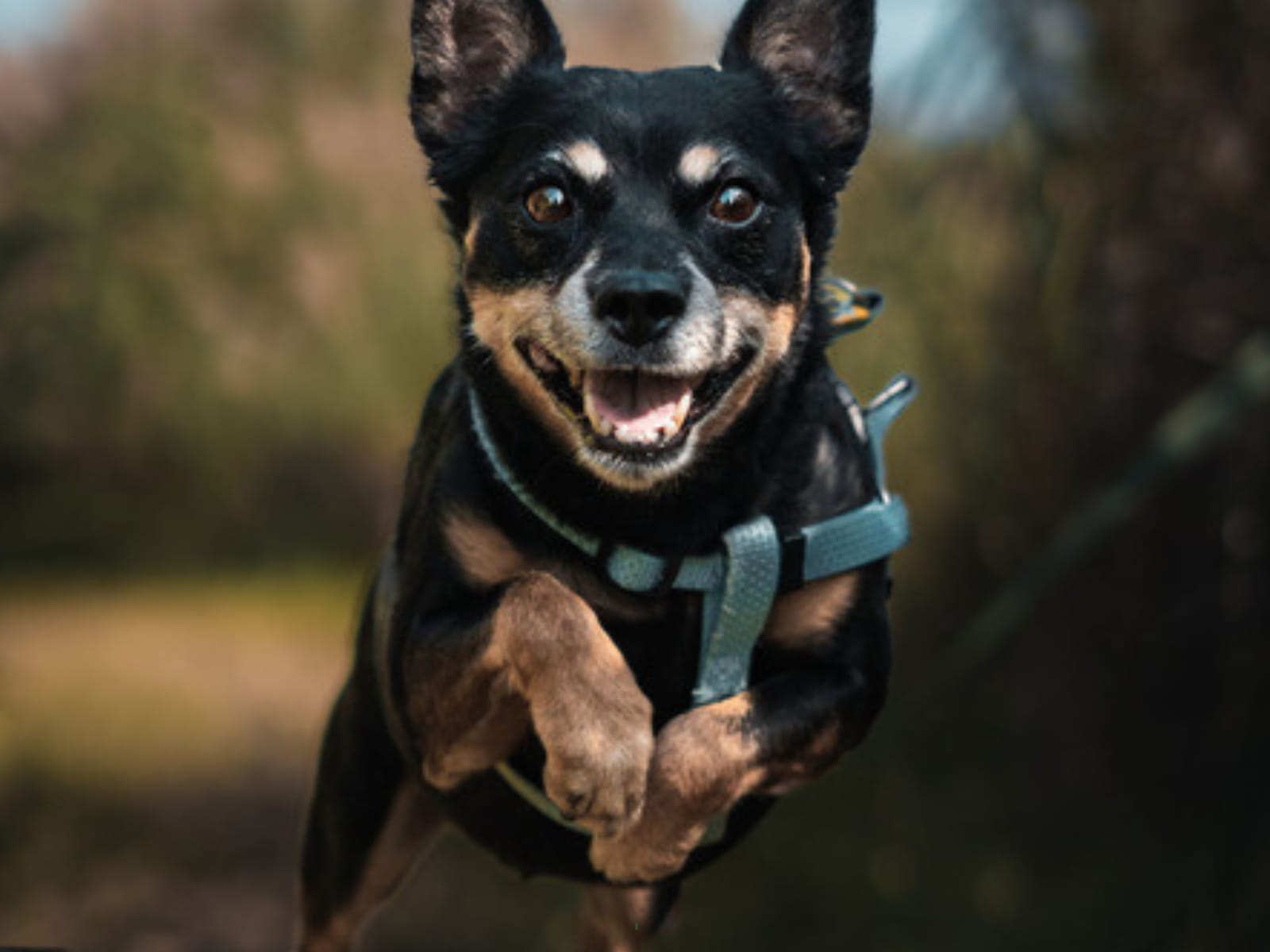
Black and tan Lancashire Heeler leaping, wearing a harness

Breed facts

FCI
no. 360 · group 1, sheepdogs
Origin
Great Britain
Height at withers
male 30 cm · female 25 cm
Size
The standard gives these as ideal heights.
Exercise
up to 1 hour a day (according to the Royal Kennel Club)
Lifespan
over 12 years
Coat
short, sheds

The GoPuppy profile

These are breed averages and our own assessment. Your own dog’s age, fitness and training matter more.

  1. WalkingLong walksThe Royal Kennel Club gives up to an hour of exercise a day. According to the standard he has a prodigious amount of energy.
  2. Dog sportSport with a build-upAccording to the standard trainable, but best with a firm, kindly owner. Agility, scentwork and hoopers suit him.Suitsagilityscent workhoopers
  3. Terraces and cafésTerrace after trainingThe standard calls him happy and affectionate to his owner.
  4. Travel and staysTravels easilySmall and light, easy to take along.
  5. CityTown or villageThe RKC says a flat is enough, in town or country.

Temperament

According to the FCI standard the Lancashire Heeler works cattle but has terrier instincts when rabbiting and ratting. He is courageous, happy and affectionate to his owner. He is intelligent, eager to please and loves people. He is trainable, and does best under a firm but kindly owner.

Origin

His origins are not clearly defined. According to the standard the corgis that drove cattle from Wales to Ormskirk met the Manchester Terrier there. According to the Royal Kennel Club he gets his low build and heeling instinct from the corgi, like the Pembroke Welsh Corgi, and the thumb marks on his front legs from the Manchester. He was once known as the Ormskirk Heeler. The FCI has recognised him provisionally since 2016 and places him in Group 1, Section 1, sheepdogs.

Health

The Royal Kennel Club prioritises genetic diversity and lists eye testing and DNA tests for Collie eye anomaly (CEA/CH) and primary lens luxation (PLL).

Size

The ideal height is 30 cm for dogs and 25 cm for bitches.
Health: what a good breeder tests for

  • Prioritising genetic diversity when choosing the parents
  • Eye testing
  • DNA test for Collie eye anomaly (CEA/CH)
  • DNA test for primary lens luxation (PLL)

Ask for the parents’ results when you visit a litter. This is not medical advice; your vet knows your dog.

Breeders of this breed on GoPuppy

No breeder of this breed on GoPuppy yet.

GoPuppy does not check breeders’ health tests. A listing here is not a seal of approval.

Read also