FCI 223 · Netherlands

Dutch Shepherd

A Dutch herding dog that kept the sheep off the crops. Around 1900 the large flocks disappeared and he became a police dog, tracking dog and guide dog. The first breed standard dates from 12 June 1898.

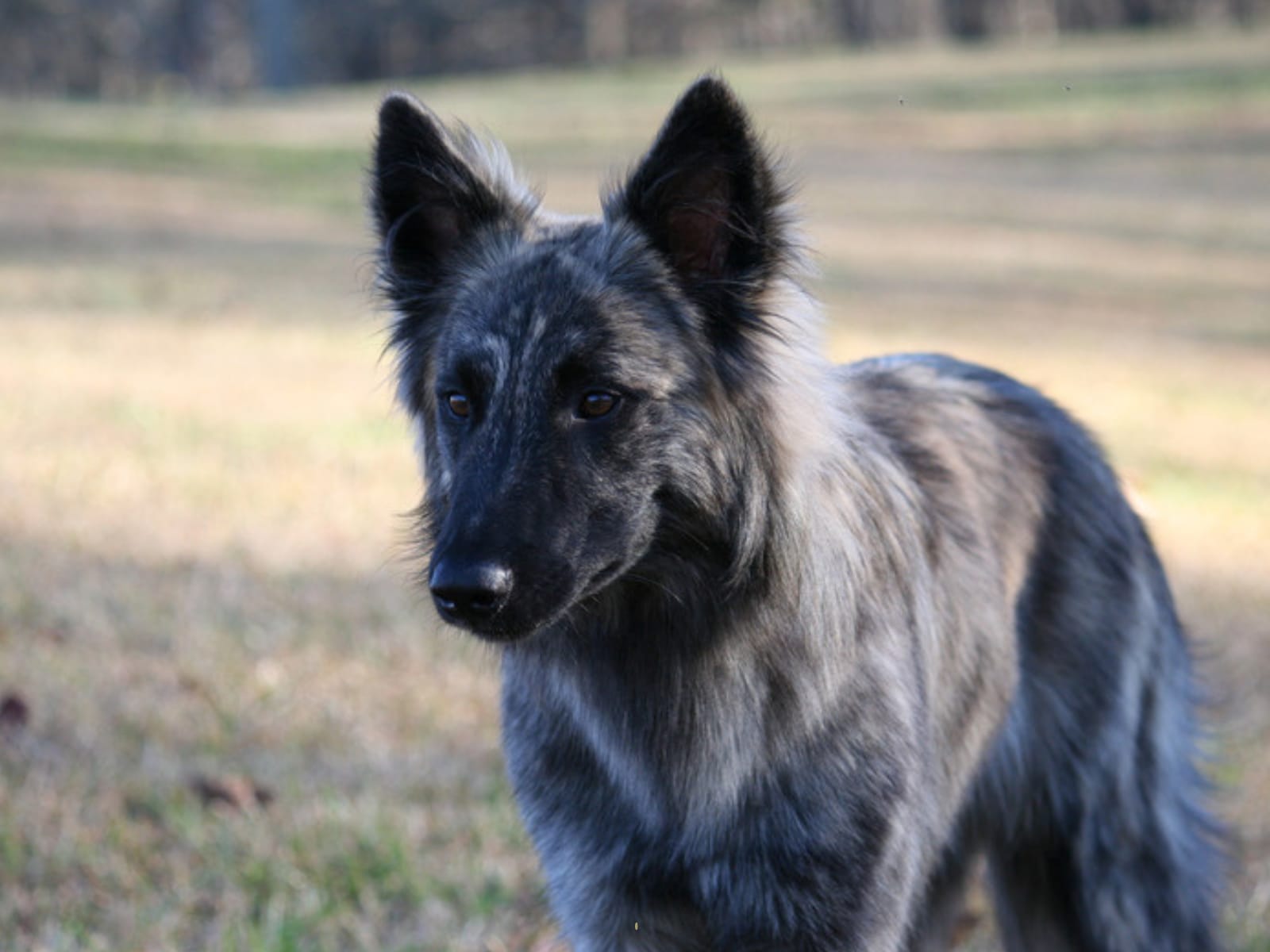
Long-haired Dutch Shepherd in a field

Breed facts

FCI
no. 223 · group 1, sheepdogs
Origin
Netherlands
Height at withers
male 57–62 cm · female 55–60 cm

The GoPuppy profile

These are breed averages and our own assessment. Your own dog’s age, fitness and training matter more.

  1. WalkingFull-day hikesThe Royal Kennel Club has no profile of this breed. According to the FCI standard he accompanied flocks to pastures, markets and ports; an adult Dutch Shepherd will manage a full-day hike.
  2. Dog sportSports partnerIGP, sheep herding, agility, mantrailing and canicross. The standard describes a dog that likes to work with his owner and can complete a task on his own.SuitsIGPherdingagilitymantrailingcanicross
  3. Terraces and cafésTerrace after trainingThe standard calls him 'always alert, watchful, active'. Lying calmly among strangers is something he has to learn.
  4. Travel and staysTravels with some planningMedium-sized and easy to take in the car. Plan time on the way for him to run.
  5. CityNeeds a big gardenA working dog with this much energy belongs in a house with a garden and daily work rather than a flat on a busy street.

Character

The FCI standard describes the Dutch Shepherd as “very loyal and reliable, always alert, watchful, active, independent, with persistence, intelligence, prepared to be obedient and gifted with the true shepherding temperament”. He likes to work with his owner and will also solve a task himself.

Origin

According to the standard, his first job was that of a herding dog in the countryside. The dogs kept the flock away from the crops by patrolling along roads and fields, and escorted the sheep to pastures, markets and ports. On the farm they kept the hens out of the vegetable garden, gathered the cows for milking and pulled the milk cart. Around 1900 the large flocks disappeared, and the Dutch Shepherd became a police dog, tracking dog and guide dog. The FCI places him in Group 1, with a working trial.

Three coats, a rare breed

The standard recognises three varieties: short-haired, long-haired and rough-haired. In an overview of Dutch breeds (Zeldzaam Huisdier, CGN/Wageningen UR, 2008 figures), the long-haired and rough-haired varieties were listed as endangered and the short-haired as vulnerable; only a few rough-haired litters were born each year at the time.

Size

Males measure 57 to 62 cm, females 55 to 60 cm.
Health: what a good breeder tests for

  • Hips (HD) and elbows (ED): the Raad van Beheer has both assessed and sets breeding standards for HD

Ask for the parents’ results when you visit a litter. This is not medical advice; your vet knows your dog.

Breeders of this breed on GoPuppy

No breeder of this breed on GoPuppy yet.

GoPuppy does not check breeders’ health tests. A listing here is not a seal of approval.

Read also