FCI 313 · Netherlands

Dutch Schapendoes

The sheepdog of the Dutch heathland. Shepherds valued him for the tireless pleasure he took in his work.

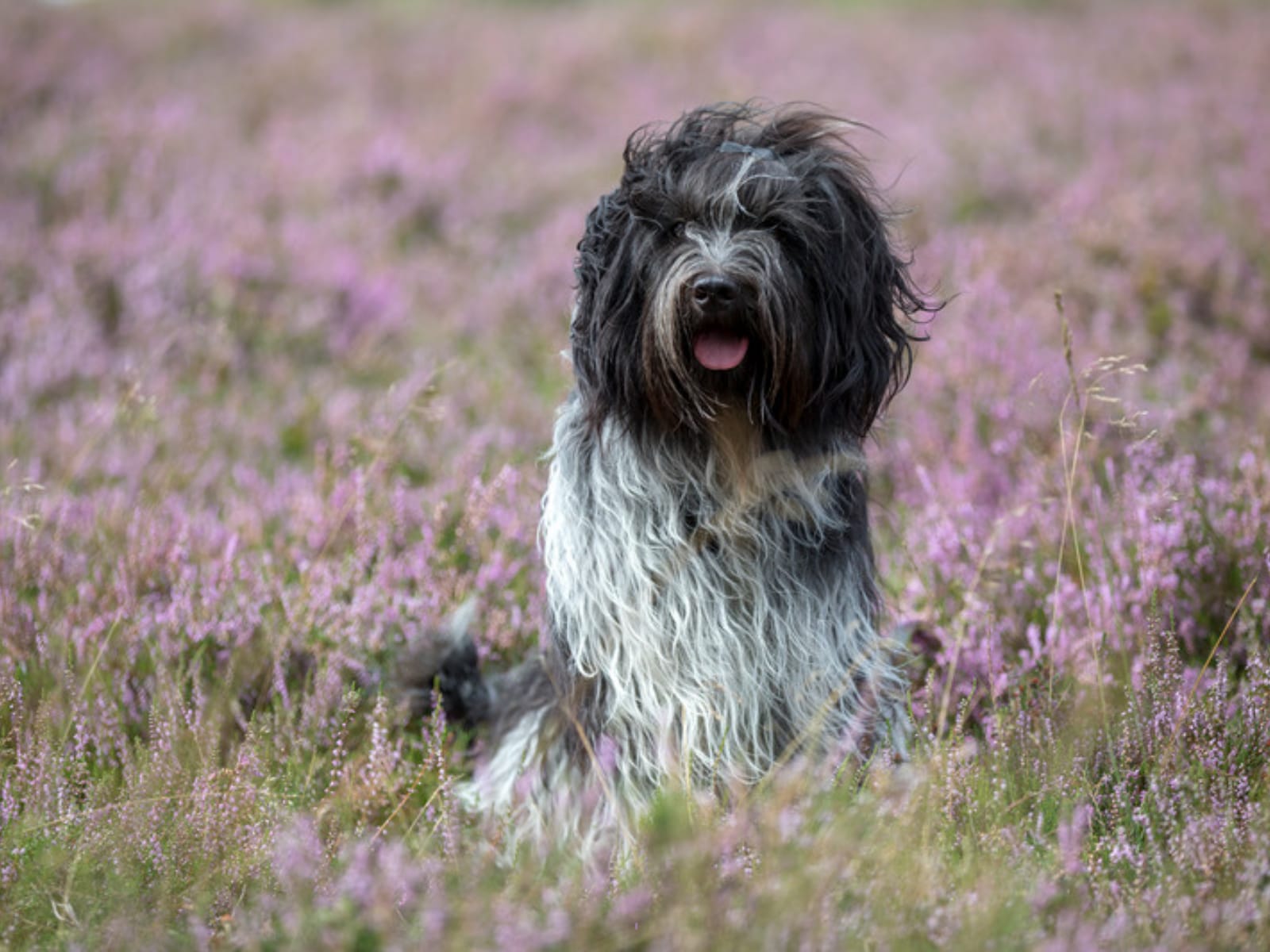
Schapendoes sitting in flowering heather

Breed facts

FCI
no. 313 · group 1, sheepdogs
Origin
Netherlands
Height at withers
male 43–50 cm · female 40–47 cm

The GoPuppy profile

These are breed averages and our own assessment. Your own dog’s age, fitness and training matter more.

  1. WalkingFull-day hikesAccording to the standard he has great endurance, mobility and speed. Long walks suit him.
  2. Dog sportSports partnerThe standard asks for a great jumper. Agility, hoopers, flyball and herding suit him.Suitsagilityherdinghoopersflyball
  3. Terraces and cafésTerrace after trainingThe standard calls him jolly, lively and friendly, very affectionate with people he knows.
  4. Travel and staysTravels with some planningMedium-sized and easy to take along.
  5. CityBetter with a gardenTown life works if he gets enough exercise and work. A garden is a plus.

Character

According to the FCI standard, the Schapendoes is a normally and harmoniously built herding dog with an attentive and courageous character. He is intelligent, watchful, jolly, lively and friendly. He shows great affection and loyalty to people he knows.

Origin

Around 1900 the Schapendoes was found wherever there was heathland and sheep in the Netherlands. Shepherds valued his intelligence and his tireless pleasure in work. He belongs to the long-haired herding dogs with densely coated heads, like the Bearded Collie, the Puli, the Polish Lowland Sheepdog and the Bobtail. The dog expert P.M.C. Toepoel is regarded as the founder of the breed; during the Second World War he managed to rouse interest in it. The FCI places him in Group 1, section 1, sheepdogs.

Health

According to a Wageningen UR study, the breed counted as vulnerable under the FAO classification in 2008. Ask the breeder about the relatedness and inbreeding of the parents.

Size

Males measure 43 to 50 cm, females 40 to 47 cm.
Health: what a good breeder tests for

  • Rare breed: in 2008 'vulnerable' under the FAO classification. Ask about the relatedness and inbreeding of the parents

Ask for the parents’ results when you visit a litter. This is not medical advice; your vet knows your dog.

Breeders of this breed on GoPuppy

No breeder of this breed on GoPuppy yet.

GoPuppy does not check breeders’ health tests. A listing here is not a seal of approval.

Read also