FCI 263 · United States

Chesapeake Bay Retriever

A strong retriever from the United States, bred to retrieve ducks from the icy waters of Chesapeake Bay.

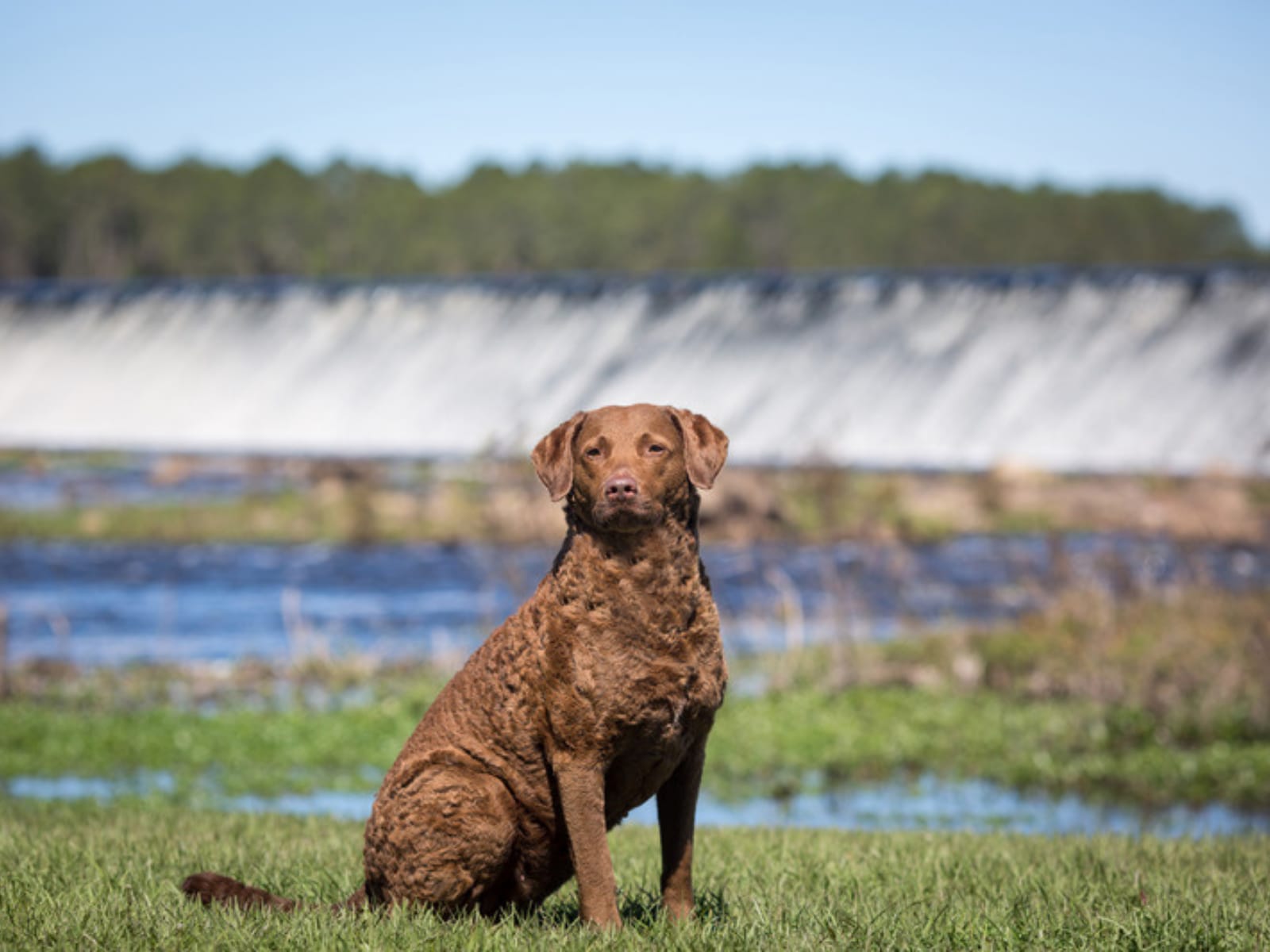
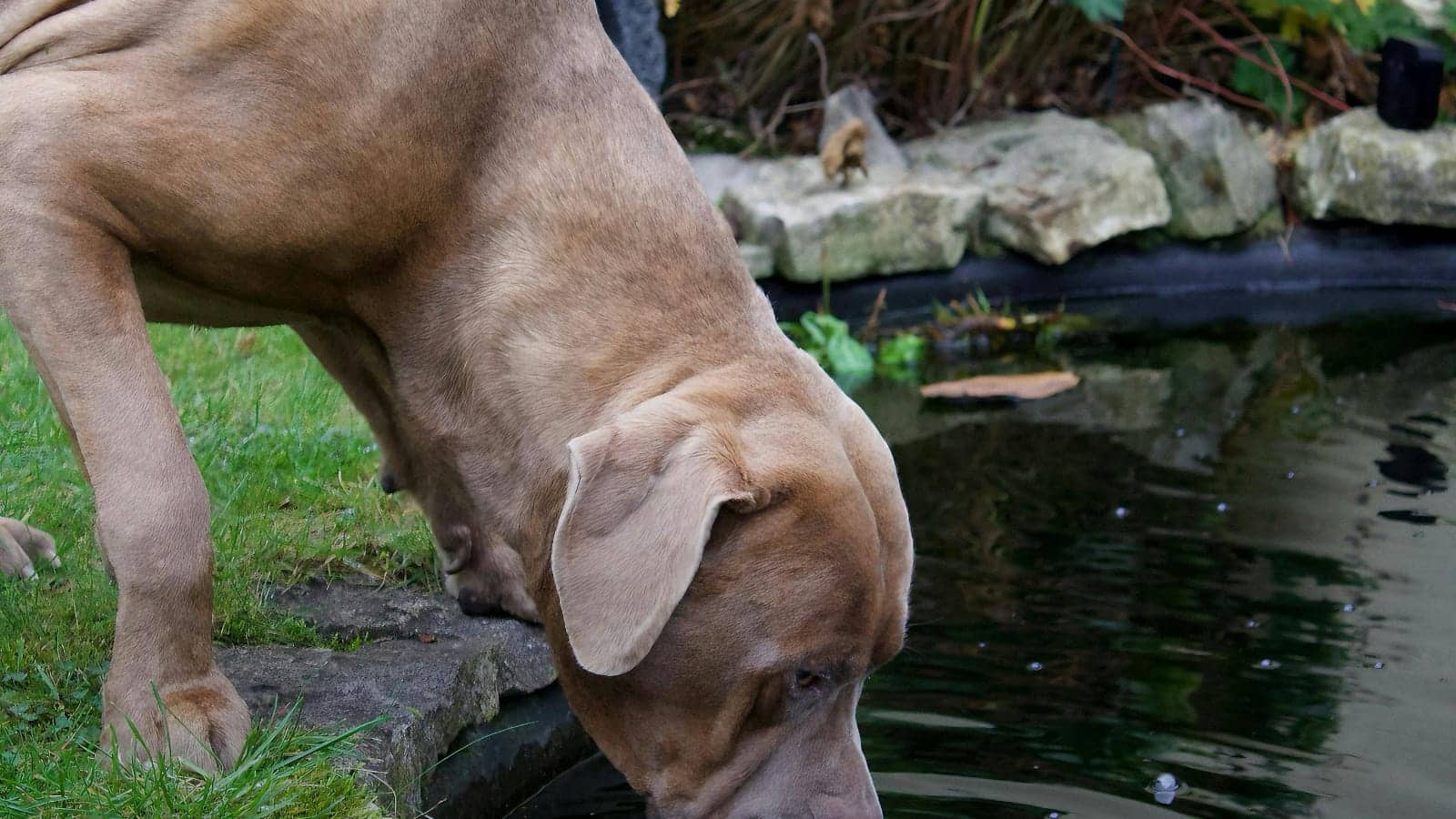
Brown Chesapeake Bay Retriever sitting by the water

Breed facts

FCI
no. 263 · group 8, retrievers
Origin
United States
Height at withers
male 58–66 cm · female 53–61 cm
Weight
male 29.5–36.5 kg · female 25–32 kg
Exercise
more than 2 hours a day (according to the Royal Kennel Club)
Lifespan
over 10 years
Coat
short, sheds

The GoPuppy profile

These are breed averages and our own assessment. Your own dog’s age, fitness and training matter more.

  1. WalkingFull-day hikesThe Royal Kennel Club gives more than two hours of exercise a day.
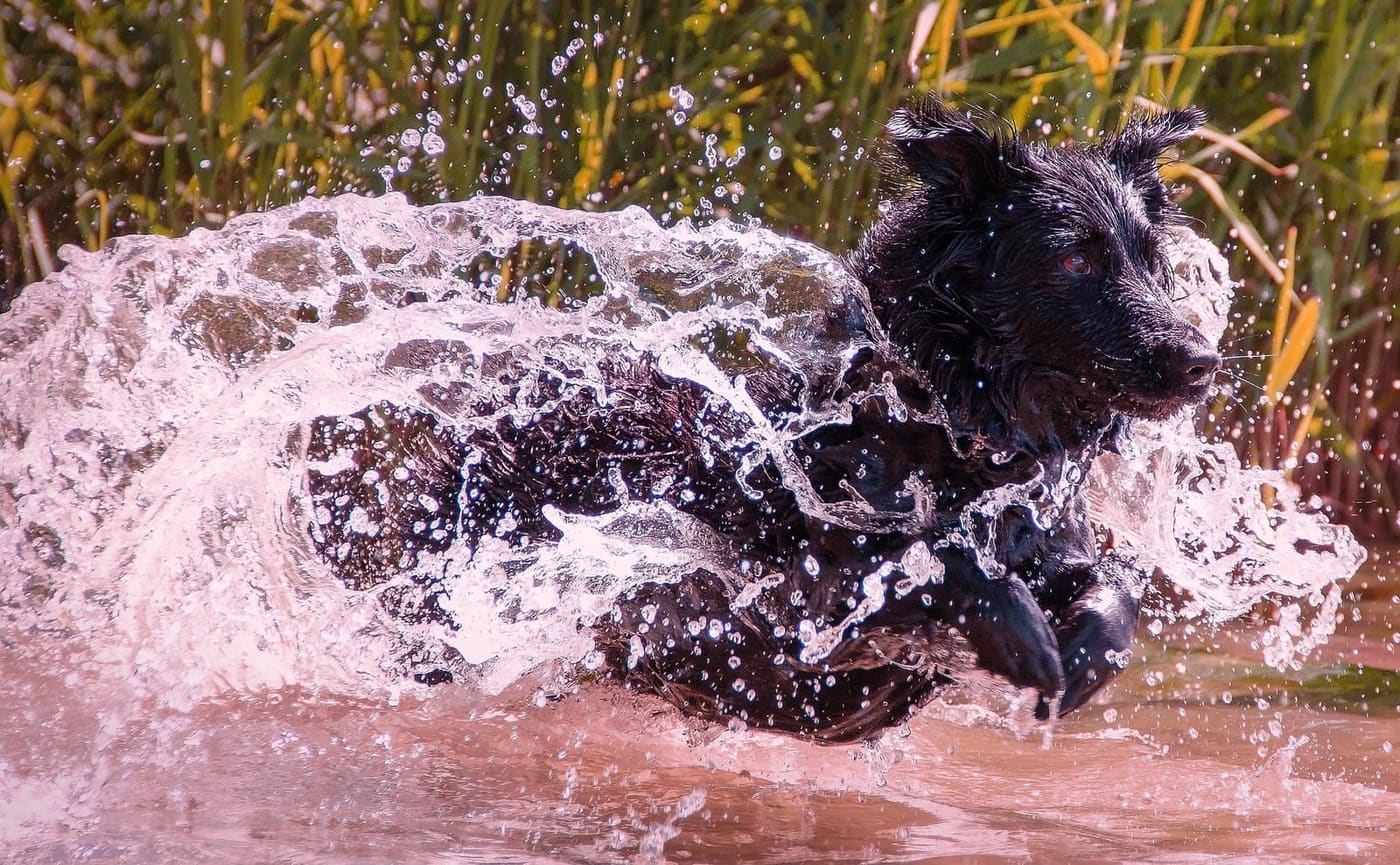
  2. Dog sportSports partnerA retriever with a working trial that loves water. Dummy training and swimming suit him.Suitsdummy trainingswimmingscent work
  3. Terraces and cafésRather not a busy terraceThe standard calls him bright, intelligent and affectionate, with a protective nature.
  4. Travel and staysTravel takes preparationLarge and strong. A roomy car or crate is needed.
  5. CityThe RKC suggests a large house with a large garden, in the country.

Temperament

According to the FCI standard the Chesapeake is valued for his bright and happy disposition, intelligence, quiet good sense and affectionate, protective nature. Courage, willingness to work, alertness, nose and love of water belong to the breed. Extreme shyness or aggression is not desirable.

Origin

He comes from the United States and is equally proficient on land and in the water. According to the Royal Kennel Club he shares ancestry with the Labrador: Newfoundland dogs were mated with retrievers. He is the only retriever with a camouflage-coloured coat, from sedge to dead grass or straw. His thick undercoat and harsh, oily top coat protect him when working in the icy waters of Chesapeake Bay. He is more substantial than the Labrador. The FCI places him in Group 8, Section 1, retrievers, with a working trial.

Health

The Royal Kennel Club prioritises genetic diversity and lists elbow, hip and eye testing and DNA tests for degenerative myelopathy (DM) and PRA (prcd-PRA). According to the RKC degenerative myelopathy is common in the breed.

Size

Dogs measure 58 to 66 cm and weigh 29.5 to 36.5 kg. Bitches measure 53 to 61 cm and weigh 25 to 32 kg.
Health: what a good breeder tests for

  • Prioritising genetic diversity when choosing the parents
  • Elbows (X-ray, official result)
  • Hips (X-ray, official result)
  • DNA test for degenerative myelopathy (DM)
  • DNA test for progressive retinal atrophy (prcd-PRA)
  • Eye testing

Ask for the parents’ results when you visit a litter. This is not medical advice; your vet knows your dog.

Breeders of this breed on GoPuppy

No breeder of this breed on GoPuppy yet.

GoPuppy does not check breeders’ health tests. A listing here is not a seal of approval.

Read also