Character
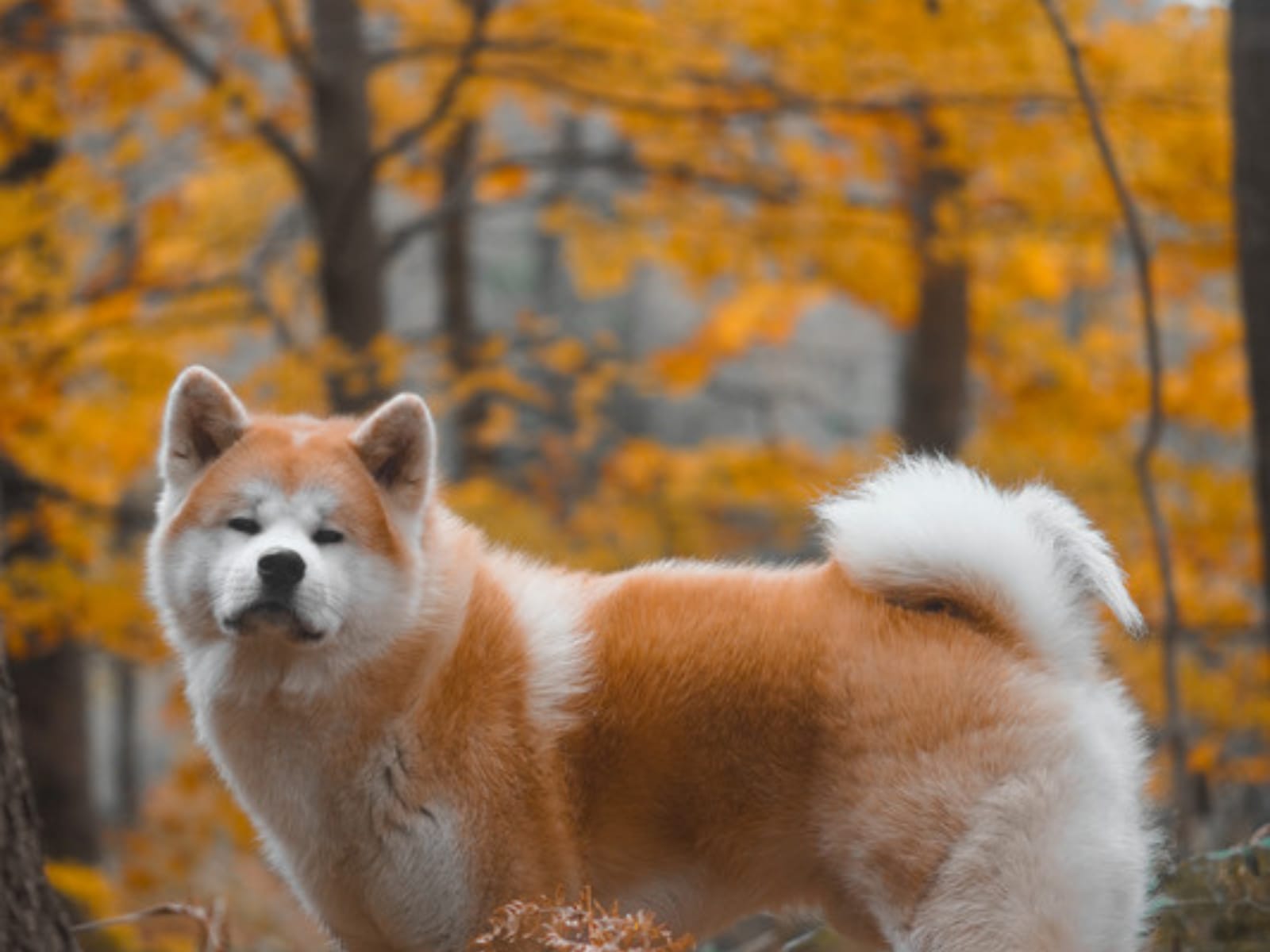
According to the FCI standard, the Akita Inu’s temperament is composed, faithful, docile and receptive.
Origin
Japanese dogs were originally small to medium-sized. From 1603, in the Akita region, medium-sized bear-hunting dogs, the Akita Matagi, were used as fighting dogs. From 1868 they were crossed with Tosas and Mastiffs, which made them larger but cost them many of their spitz features. Dog fighting was banned in 1908, but the breed was preserved as a large Japanese breed, and in 1931 nine superior specimens were designated ‘Natural Monuments’.
During the Second World War dogs were used for fur for military garments, and the police confiscated all dogs except German Shepherds used by the military. Some fanciers therefore crossed their Akitas with German Shepherds. After the war three types existed side by side. Japanese breeders crossed back to Matagi Akitas to restore the original type, and that produced today’s large Akita Inu. The FCI places him in Group 5, section 5.
Akita Inu or American Akita
The American Akita shares the same roots, but descends from the Dewa line, with Mastiff and German Shepherd influence, which American servicemen took home after the war. Because the American and Japanese kennel clubs long did not recognise each other’s pedigrees, the two types drifted apart. The FCI now describes them in two separate standards (no. 255 and no. 344). The Akita Inu is the type Japan bred back towards the original spitz.
Rules when travelling
In Spain the Akita Inu is on the list of ‘perros potencialmente peligrosos’ (Real Decreto 287/2002). In public places he wears a muzzle and is kept on a non-extending lead shorter than two metres. The decree does not say exactly how this applies to foreign visitors; check before you go.
Health and size
The Royal Kennel Club puts genetic diversity first and recommends a DNA test for AI/FEH (a tooth enamel defect), along with hip and elbow testing. Ideally a male measures 67 cm and a female 61 cm, give or take 3 cm.