FCI 339 · Great Britain

Parson Russell Terrier

The terrier of the Reverend John Russell, bred to run with the hunt and go to ground after the fox. Taller and squarer than the Jack Russell.

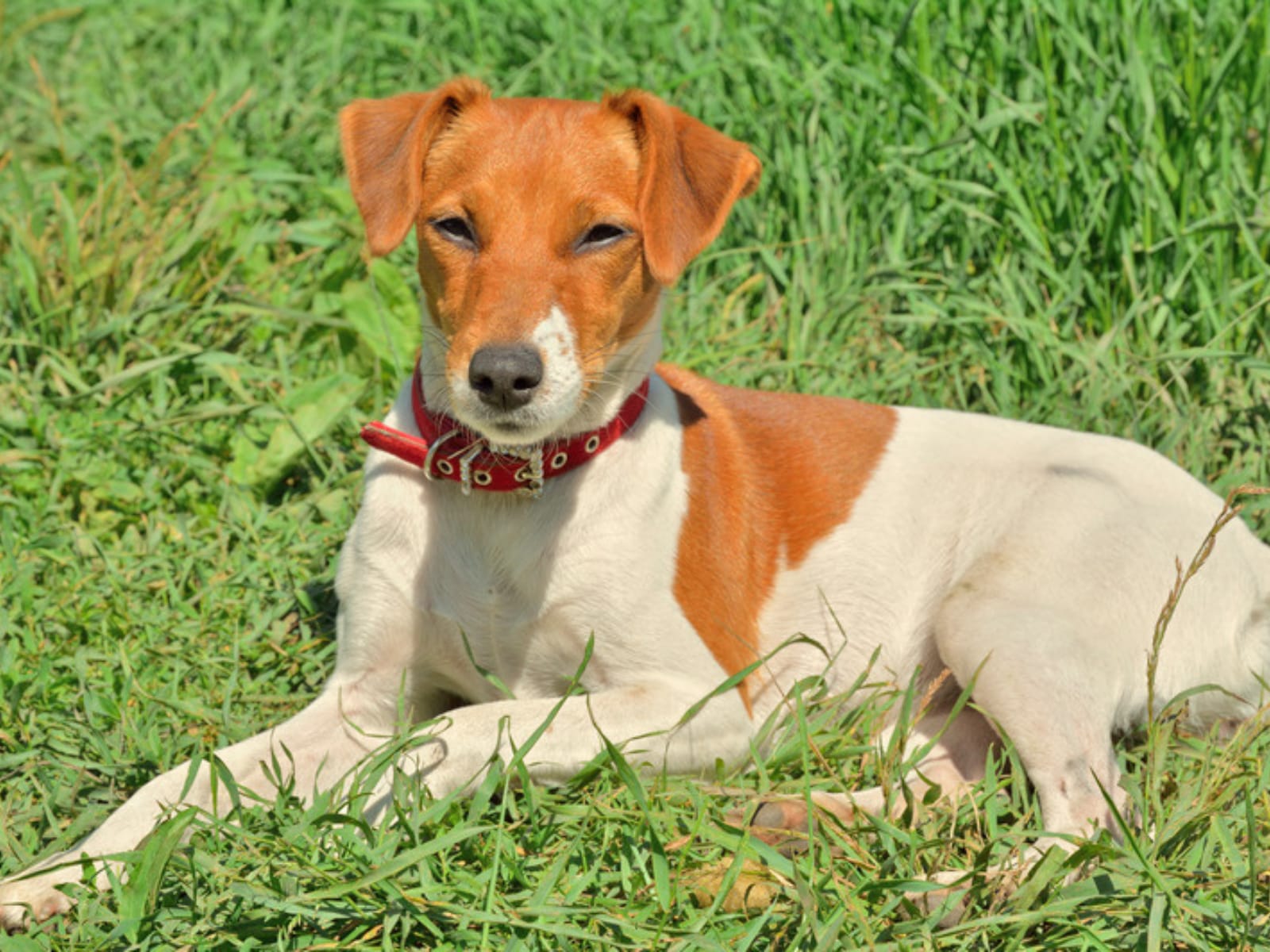
Parson Russell Terrier lying in the grass

Breed facts

FCI
no. 339 · group 3, large and medium-sized terriers
Origin
Great Britain
Height at withers
male 36 cm · female 33 cm
Size
That is the ideal height. According to the standard, average-sized hands should be able to span him behind the shoulders.
Exercise
up to 1 hour a day (according to the Royal Kennel Club)
Lifespan
over 12 years
Coat
short, sheds

The GoPuppy profile

These are breed averages and our own assessment. Your own dog’s age, fitness and training matter more.

  1. WalkingFull-day hikesThe Royal Kennel Club gives up to an hour of exercise a day, but he had to keep up with hounds. Long walks suit him.
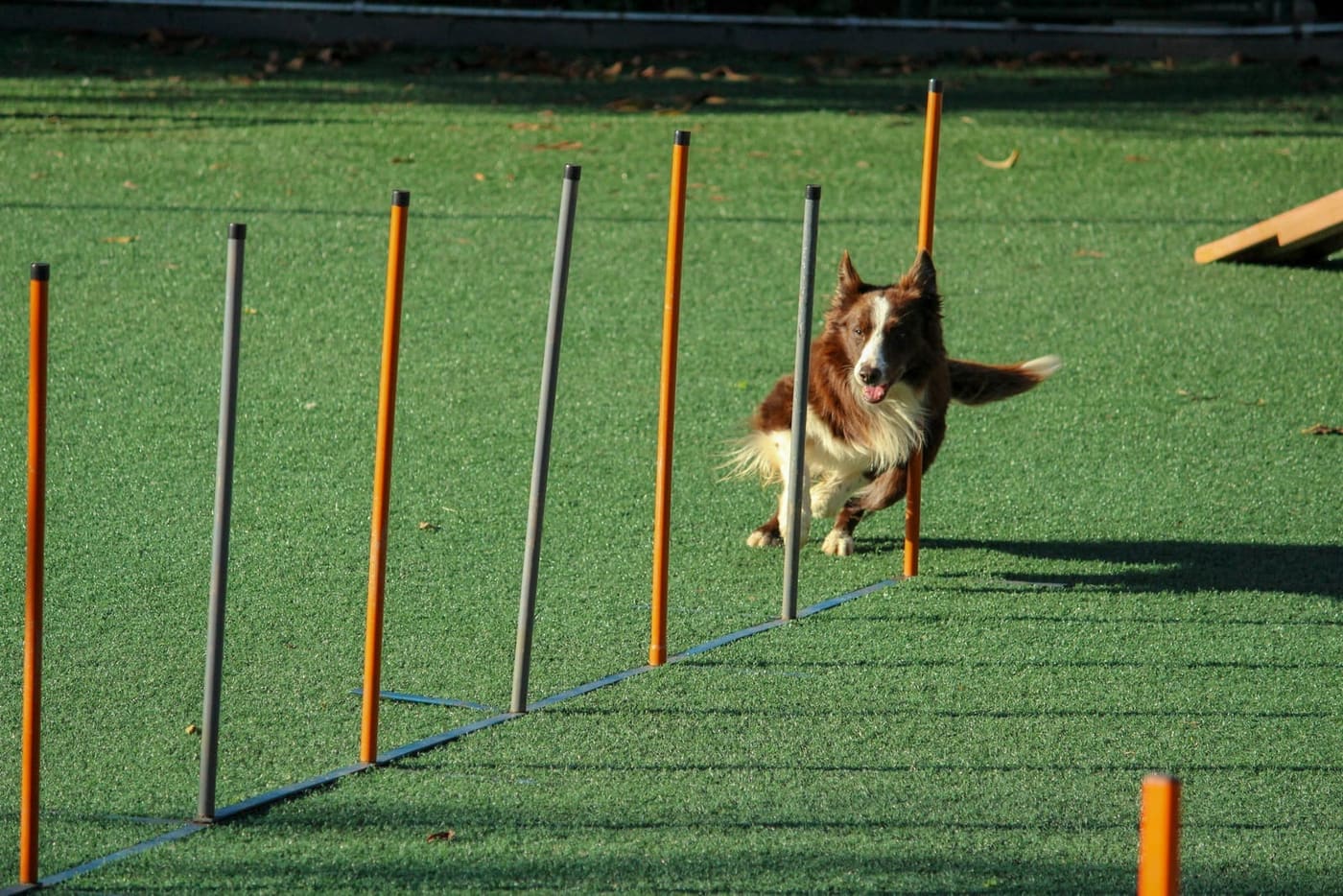
  2. Dog sportSports partnerAgility, flyball and scent work suit an energetic terrier.Suitsagilityflyballscent work
  3. Terraces and cafésTerrace after trainingThe standard calls him happy, bold and friendly. He is still a hunter.
  4. Travel and staysTravels with some planningSmall and sturdy, easy to take along.
  5. CityBetter with a gardenThe Royal Kennel Club suggests a small house with a small to medium garden, in town or country.

Character

According to the FCI standard, the Parson Russell Terrier was originally bred to work fox: a confident, energetic and happy dog with the ability to go to ground. He is bold and friendly.

How it differs from the Jack Russell

Both breeds go back to the fox terriers of the Reverend John Russell. The Parson Russell is the taller, squarer dog: ideally 36 cm for males and 33 cm for females. The Jack Russell Terrier is smaller (25 to 30 cm) and slightly longer than tall, and was developed further in Australia. According to the Royal Kennel Club, the Parson was recognised in 1990 as the Parson Jack Russell Terrier, and got its present name in 1999 to tell the two breeds apart.

Origin

The name comes from the Reverend John Russell, a hunting clergyman. In 1819 he bought Trump, a white-bodied terrier with head and tail markings, regarded as the founder of the breed. The terrier had to be small enough to go to ground, yet have the stamina and speed to keep up with hounds. According to the standard, average-sized hands should be able to span him behind the shoulders. The FCI places him in Group 3, section 1, large and medium-sized terriers.

Health

The Royal Kennel Club puts genetic diversity first and asks for DNA tests for late onset ataxia (LOA) and primary lens luxation (PLL). It also lists a DNA test for spinocerebellar ataxia (SCA) and eye testing.

Size

The ideal height is 36 cm for males and 33 cm for females.
Health: what a good breeder tests for

  • Prioritising genetic diversity when choosing the parents
  • DNA test for late onset ataxia (LOA)
  • DNA test for primary lens luxation (PLL)
  • DNA test for spinocerebellar ataxia (SCA)
  • Eye testing

Ask for the parents’ results when you visit a litter. This is not medical advice; your vet knows your dog.

Breeders of this breed on GoPuppy

No breeder of this breed on GoPuppy yet.

GoPuppy does not check breeders’ health tests. A listing here is not a seal of approval.

Read also