Temperament
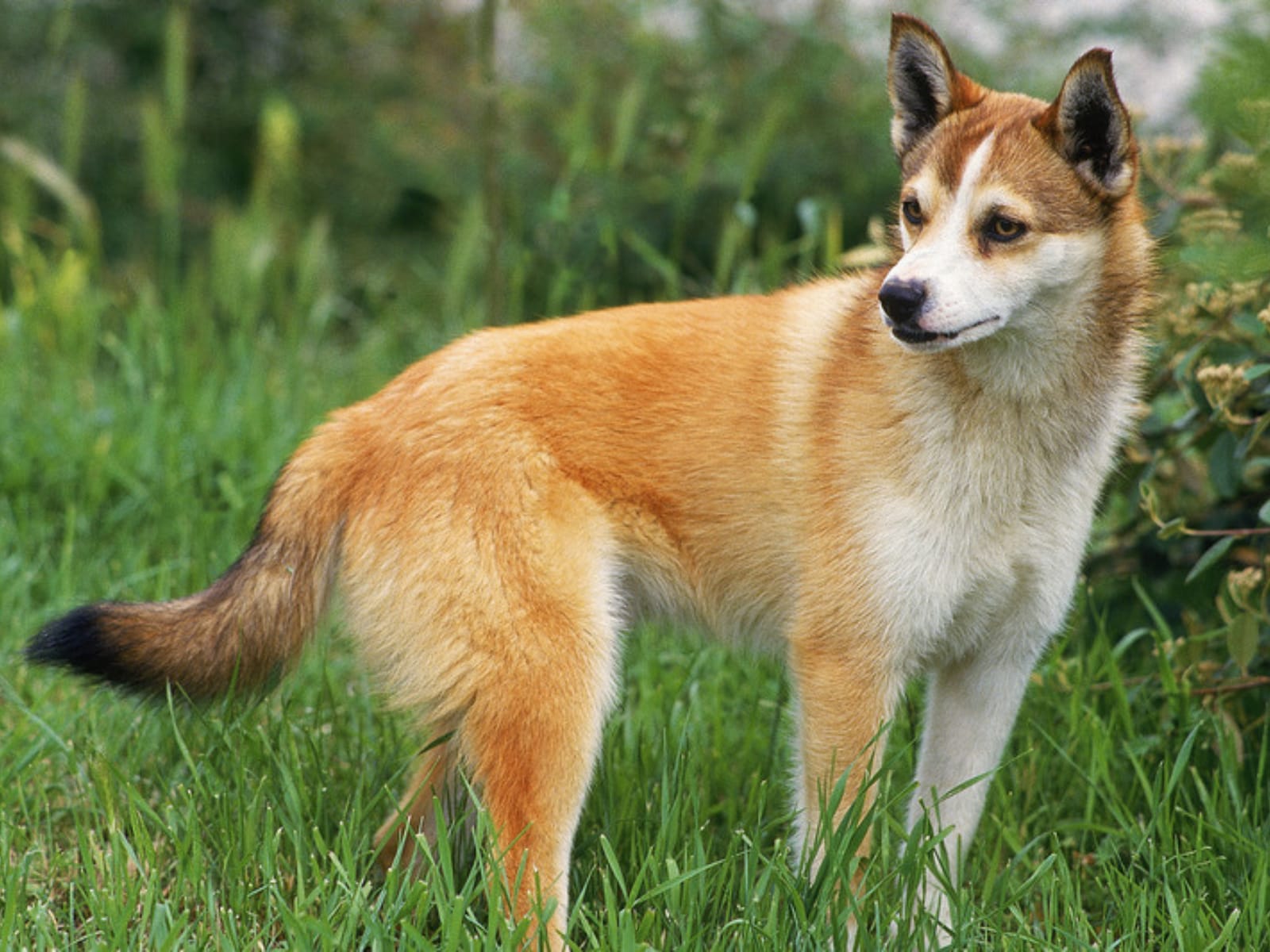
The FCI standard describes the Lundehund as alert, energetic and lively. He is small, rectangular and supple.
Origin
The name combines the Norwegian lunde, puffin, and hund, dog. Descriptions of dogs used for puffin hunting are more than 400 years old. His anatomy is unique: extra, working toes, a neck that bends back until the head touches the spine, ears that can close and very flexible forelegs. That let him climb almost vertical screes and crawl into the narrow, twisting burrows to bring the birds back alive. The meat was a winter staple on the coast, and the down went into duvets and pillows or was exported. At Måstad, on the isolated island of Værøy, people kept hunting with Lundehunds. Between the World Wars, a few dogs went to Mr and Mrs Christie in southern Norway. Distemper nearly wiped out the breed between the wars and just after 1945, but the Christies, people from Værøy and new breeders saved it. The puffin is now protected. Other Norwegian breeds on GoPuppy are the Norwegian Buhund and the grey Norwegian Elkhound. The FCI places him in group 5, section 2, Nordic hunting dogs.
Health
We found no breed page at the Royal Kennel Club and no list of recommended health tests from the FCI. Ask the breeder about the tests done on both parents.
Size
Dogs measure 35 to 38 cm and weigh about 7 kg. Bitches measure 32 to 35 cm and weigh about 6 kg.