Mountain hiking with your dog: building up and staying safe
From the Ardennes to real mountains: how to build up your dog's fitness, and what to watch for with altitude, heat and steep paths.
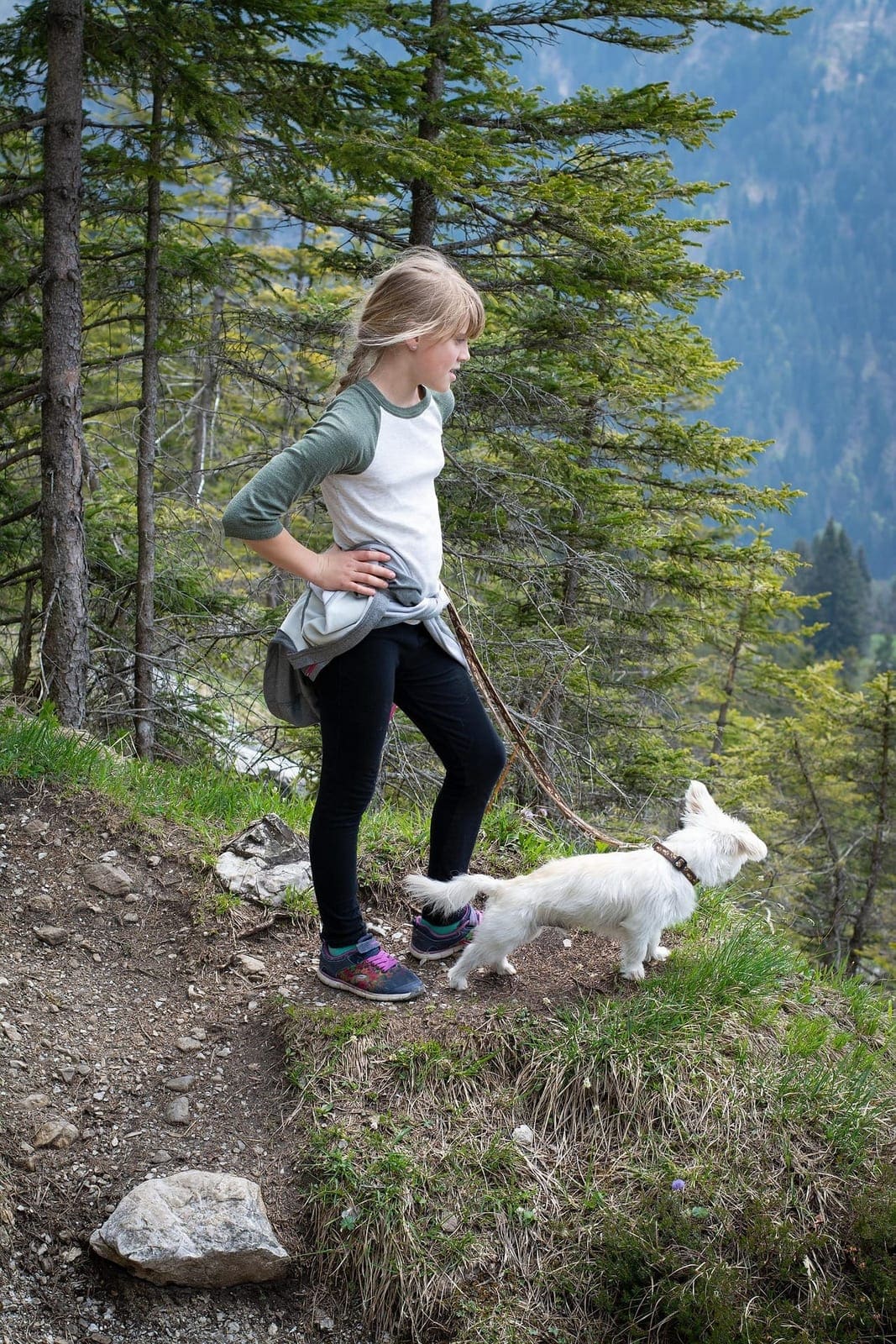
For many dogs, an active holiday is the best kind of getting away: long hiking routes, new scents, reaching a summit together. Whether it’s the gently rolling Ardennes, the Voerstreek, or real mountains abroad, with a bit of preparation, an adventure like this becomes an unforgettable trip for both of you.
Is your dog ready for it?
A demanding hiking holiday calls for fitness. A dog that mostly does short walks around the block at home can’t suddenly be sent uphill for days on end. Build up in good time: lengthen your walks in the weeks before you leave, and vary the terrain. Also take your dog’s profile into account, young pups (still-growing joints), older dogs and flat-faced breeds can handle less. If you’re unsure what your dog can manage, check with your vet.
On the trail: getting up safely
- Pace and breaks. Match the pace to your dog, not the other way around. Build in regular rest stops, especially on a climb.
- Water, water, water. At altitude and in the sun, a dog dehydrates quickly. Bring plenty of fresh water and a collapsible bowl; don’t count on streams being there.
- Terrain and paws. Sharp rocks, scree and hot stones are tough on paw pads. Check your dog’s paws and keep the pace slow on rough terrain.
- Steep and dangerous stretches. Keep your dog on a leash along drop-offs and cliffs. Narrow mountain trails or via ferratas are simply no place for a dog.
- Heat and altitude. Heat remains the biggest danger, also read our piece on dogs and heat, and plan your toughest stretches for the morning.
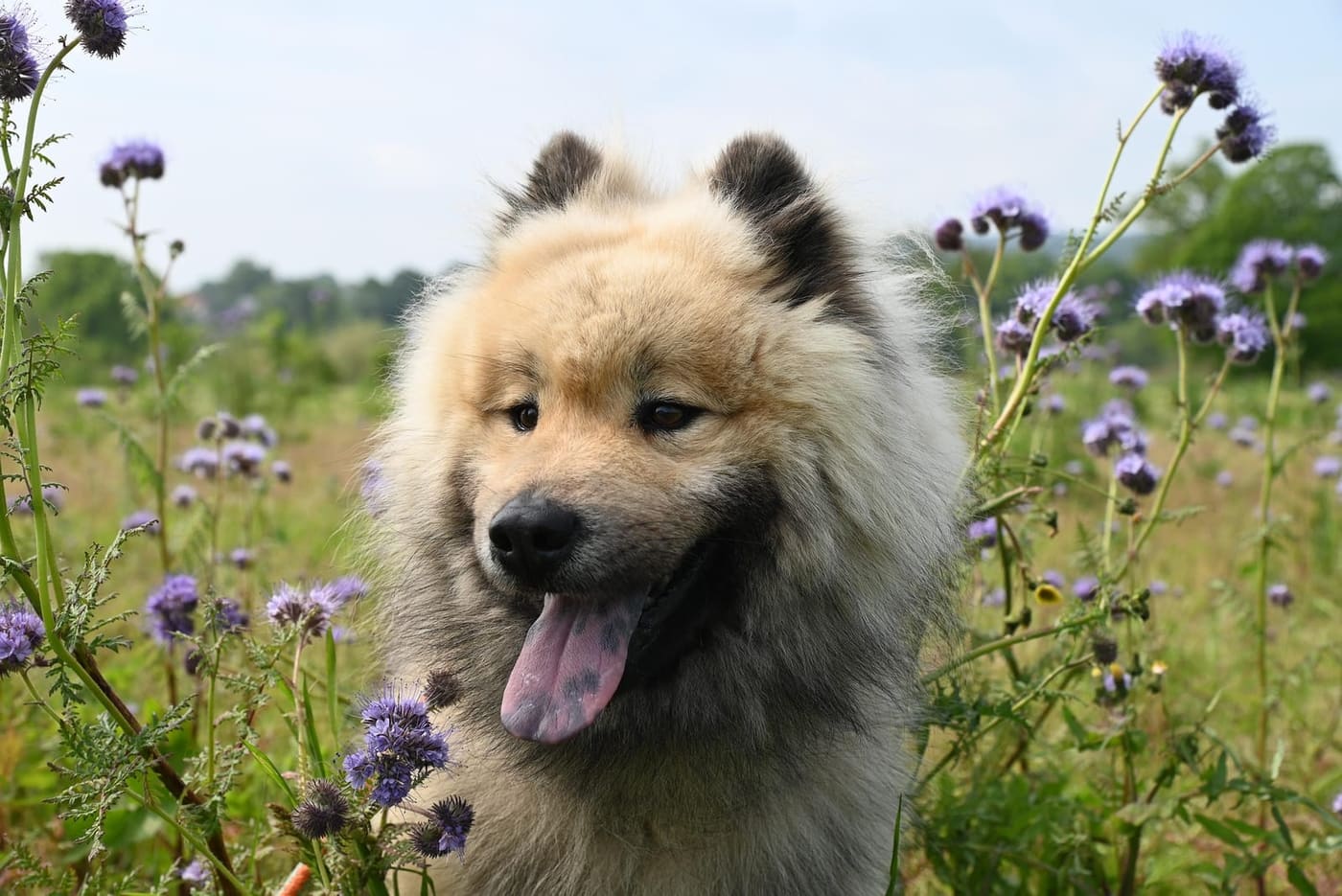 Mountain meadows are a feast for the nose. Enjoy it, but keep your dog close wherever livestock graze or birds are nesting.
Respect nature and the rules
Nature reserves and grazed alpine meadows often come with strict rules: a leash requirement, and sometimes a ban on entering certain zones. Respect the signs, keep your distance from livestock, and stick to the paths. That keeps things safe for your dog, and for the animals and the environment.
Practicalities and where to stay
Travelling abroad? Make sure your paperwork is in order (chip, rabies vaccination, EU pet passport), more on that in Travelling with your dog. Choose a dog-friendly stay where your dog can really unwind after a day of hiking, with their own bed and some outdoor space.
Coming home tired and happy
A good hiking holiday ends with a dog sprawled out asleep, and raring to go again the next morning. Build up gradually, stay safe, drink enough, and enjoy the view together. Looking for a home base? Check out the campsites and holiday homes on GoPuppy, or add a great address.
Frequently asked questions
Can every dog go hiking in the mountains? No. A dog that mostly walks short loops at home can’t suddenly be sent uphill for days. Lengthen your walks in the weeks before you leave. Young puppies with growing joints, older dogs and short-nosed breeds can cope with less. If you’re unsure how much your dog can take, check with your vet.
What should I bring for my dog on a mountain hike? Plenty of fresh water and a collapsible bowl. At altitude and in the sun a dog dries out quickly, and you can’t count on streams. Check his paws too: sharp rock, scree and hot stones are hard on the pads.
Where does my dog need to be on a leash? Along drop-offs and cliffs, and wherever it is required locally. Nature reserves and grazed alpine pastures often have a leash rule, and sometimes certain zones are closed to dogs. Keep your distance from livestock and stay on the paths.
What papers does my dog need for a mountain trip abroad? A microchip, a rabies vaccination and a European pet passport. The article on travelling with your dog has more detail.