FCI 227 · Tibet (China)

Lhasa Apso

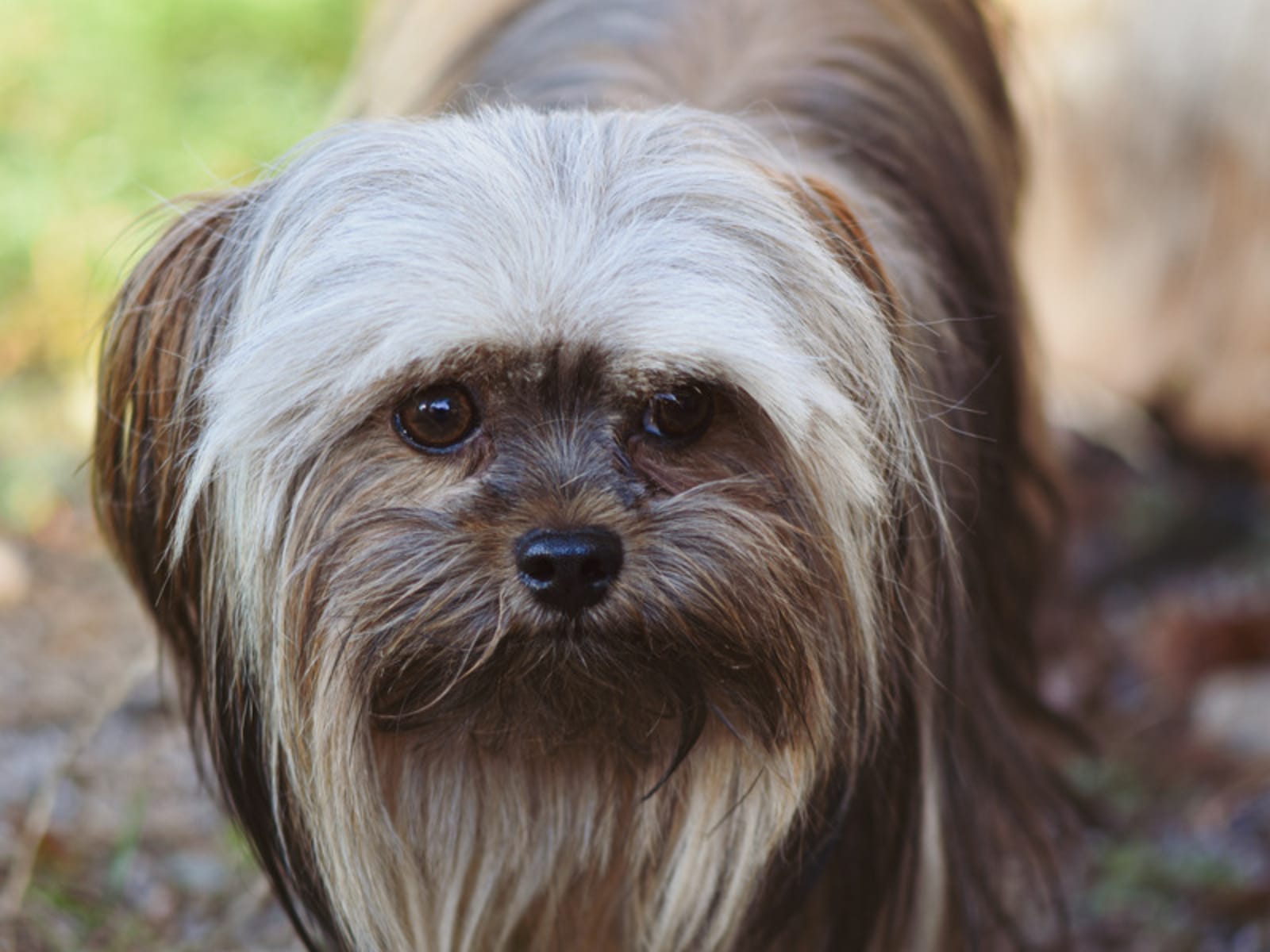
A small, hardy dog from Tibet, where many live at high altitude in a harsh climate. His long coat keeps him warm, and the hair over his eyes protects them from wind, dust and glare.

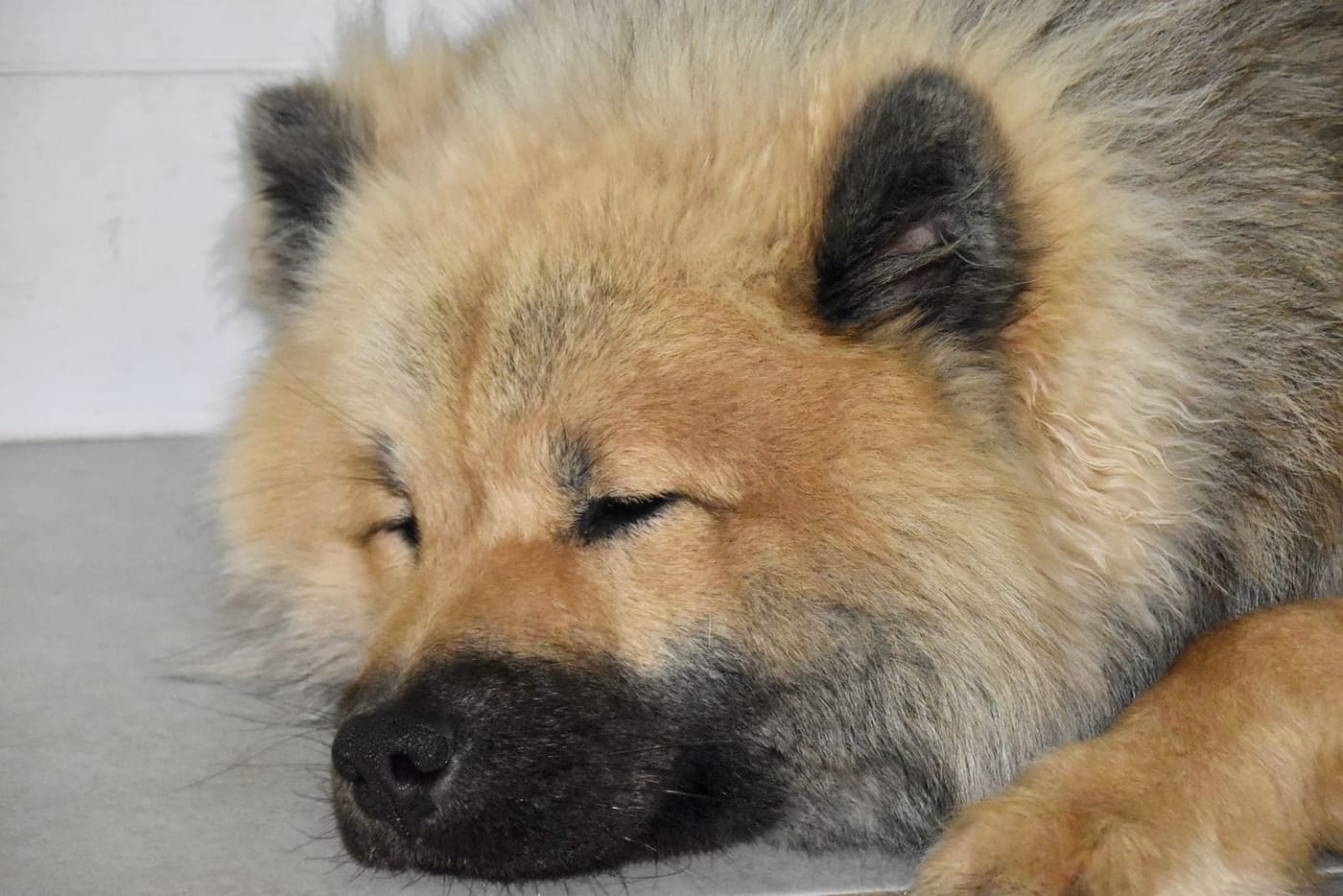
Lhasa Apso outdoors, close-up

Breed facts

FCI
no. 227 · group 9, Tibetan breeds
Origin
Tibet (China)
Size
Ideally 25 cm for males; females slightly smaller.
Exercise
up to 1 hour a day (according to the Royal Kennel Club)
Lifespan
over 12 years
Coat
long, sheds little

The GoPuppy profile

These are breed averages and our own assessment. Your own dog’s age, fitness and training matter more.

  1. WalkingOne to two hoursThe Royal Kennel Club gives up to an hour of exercise a day. A healthy Lhasa happily walks for an hour.
  2. Dog sportCalm gamesHoopers and scent work at his own pace.Suitshoopersscent work
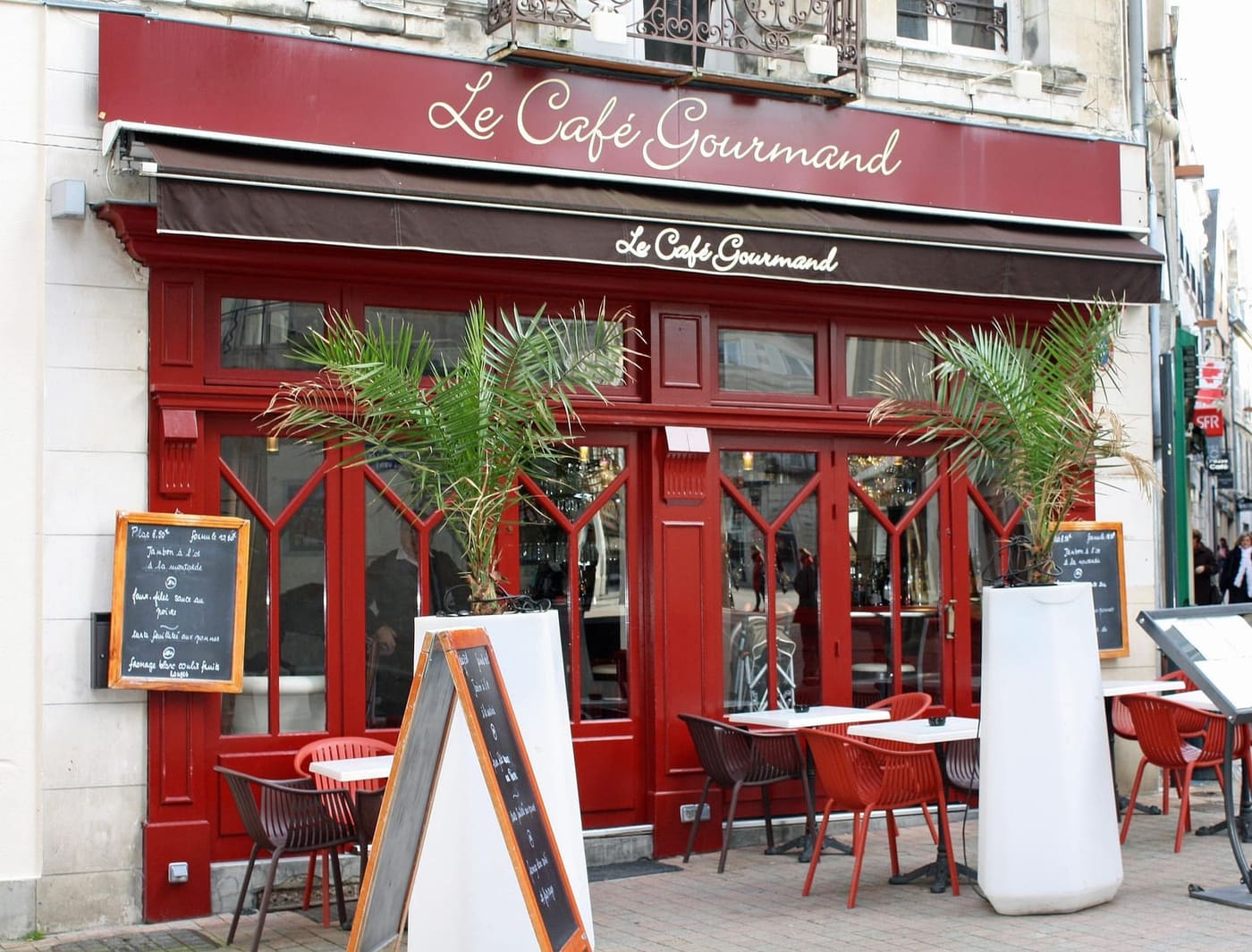
  3. Terraces and cafésTerrace with some practiceThe standard calls him 'gay and assertive', alert and steady, but somewhat aloof with strangers.
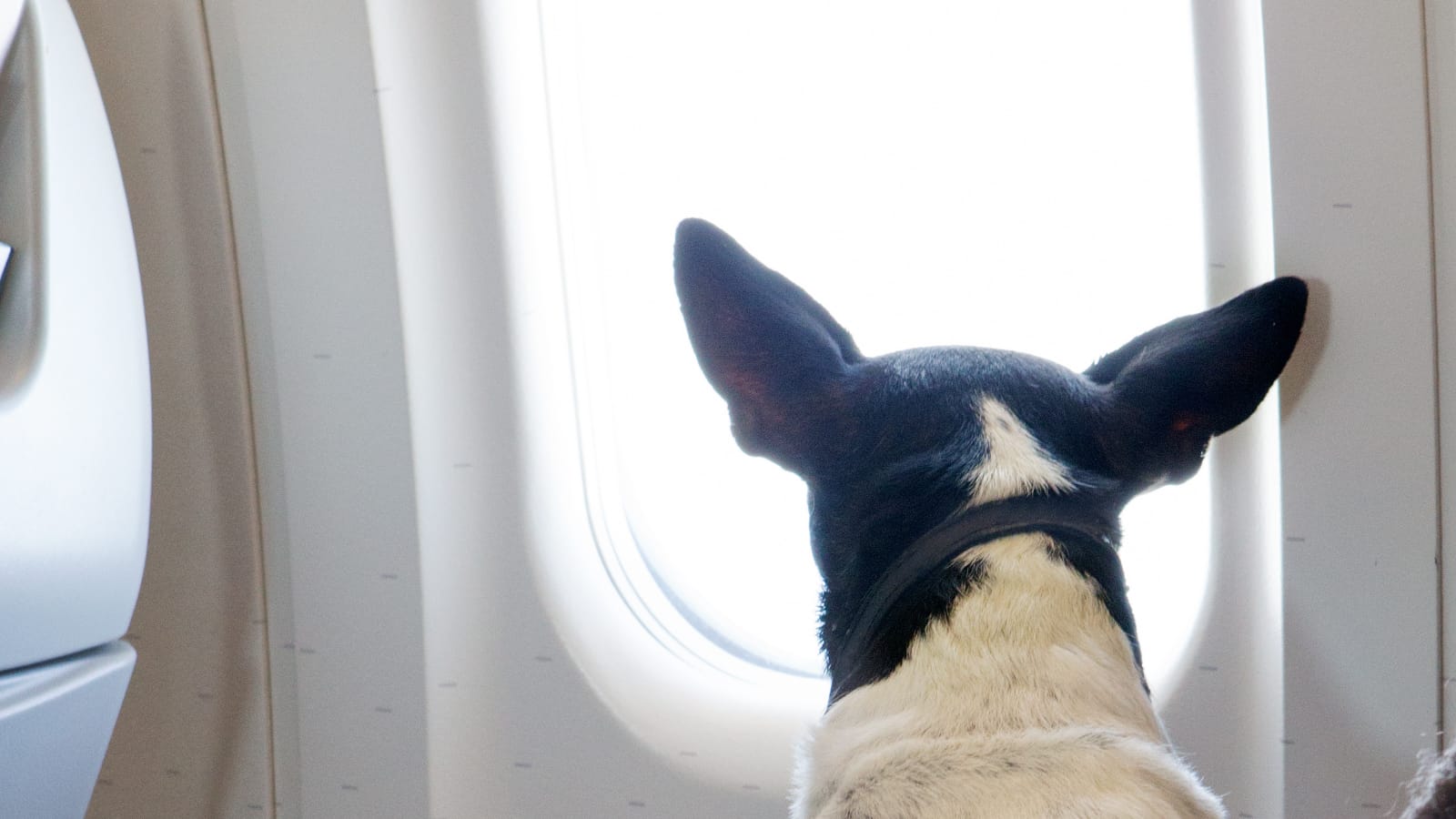
  4. Travel and staysTravels easilySmall and light, easy to carry in a bag or crate, and in the cabin if the airline accepts dogs.
  5. CityCity dogThe Royal Kennel Club says a flat is enough, in town or country.

Character

According to the FCI standard, the Lhasa Apso is gay and assertive, alert and steady, but somewhat aloof with strangers.

Origin

The Lhasa Apso comes from Tibet, where many live at high altitude and the climate can be severe. He had to be a hardy little dog to withstand it. His long, hard coat with its dense undercoat insulates him in winter, and the hair over his eyes protects them from wind, dust and glare. The first Apsos arrived in Britain in the early 1920s. At first they were confused with other shaggy Oriental dogs and all labelled ‘Lhasa Terriers’; later a distinction was made, notably from the Tibetan Terrier. A breed club was founded in Britain in 1933. The FCI places him in Group 9, section 5, Tibetan breeds.

Coat and health

The Royal Kennel Club lists the Lhasa Apso among dogs that do not shed, with a long coat that needs daily care. Breeders should do a DNA test for PRA4, with eye testing recommended too.

Size

Ideally a male measures 25 cm; females are slightly smaller.
Health: what a good breeder tests for

  • DNA test for PRA4
  • Eye testing

Ask for the parents’ results when you visit a litter. This is not medical advice; your vet knows your dog.

Breeders of this breed on GoPuppy

No breeder of this breed on GoPuppy yet.

GoPuppy does not check breeders’ health tests. A listing here is not a seal of approval.

Read also