FCI 314 · Netherlands

Kooikerhondje

A small Dutch breed that lures ducks into the decoy with its waving white tail. Baroness Van Hardenbroek van Ammerstol rebuilt the breed from 1942 onwards.

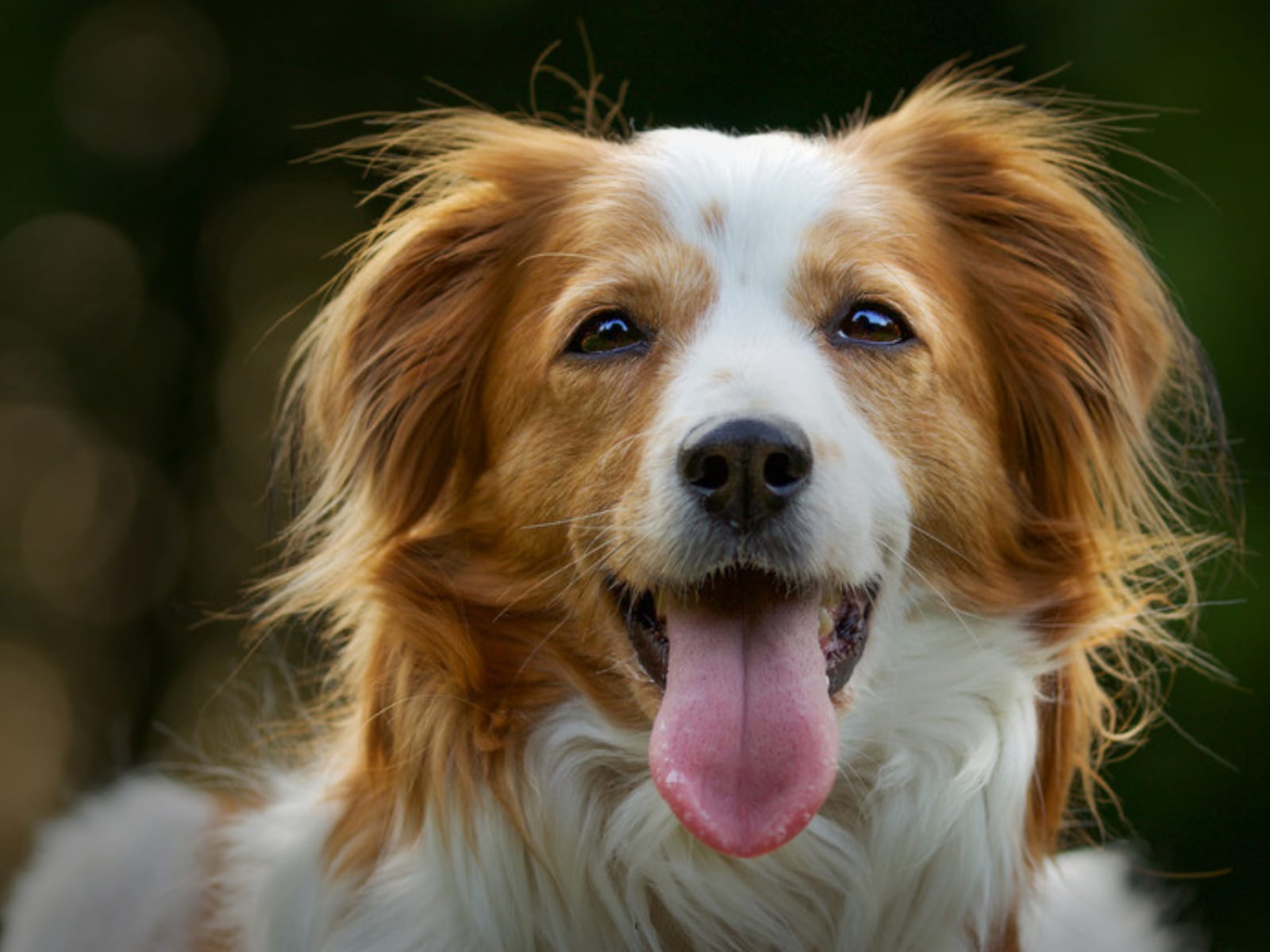
Kooikerhondje outdoors, close-up

Breed facts

FCI
no. 314 · group 8, flushing dogs
Origin
Netherlands
Height at withers
male 37–42 cm · female 35–40 cm
Exercise
up to 1 hour a day (according to the Royal Kennel Club)
Lifespan
over 12 years
Coat
medium length, sheds

The GoPuppy profile

These are breed averages and our own assessment. Your own dog’s age, fitness and training matter more.

  1. WalkingLong walksThe Royal Kennel Club gives up to an hour of exercise a day. The standard speaks of 'sufficient perseverance and stamina'; long walks suit him well.
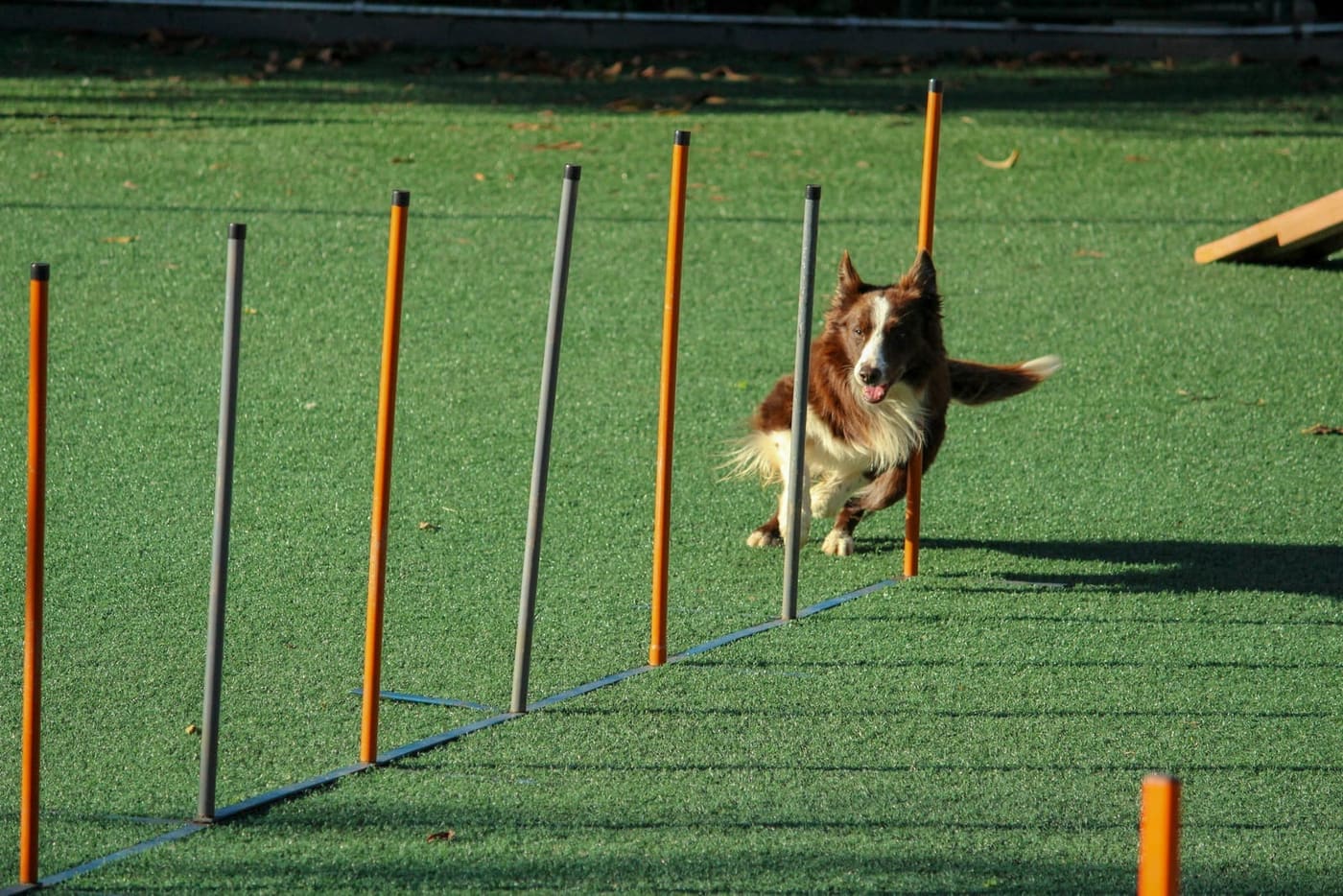
  2. Dog sportSport with a build-upAgility, scent work and hoopers fit a dog the standard calls 'lively and agile'.Suitsagilityscent workhoopers
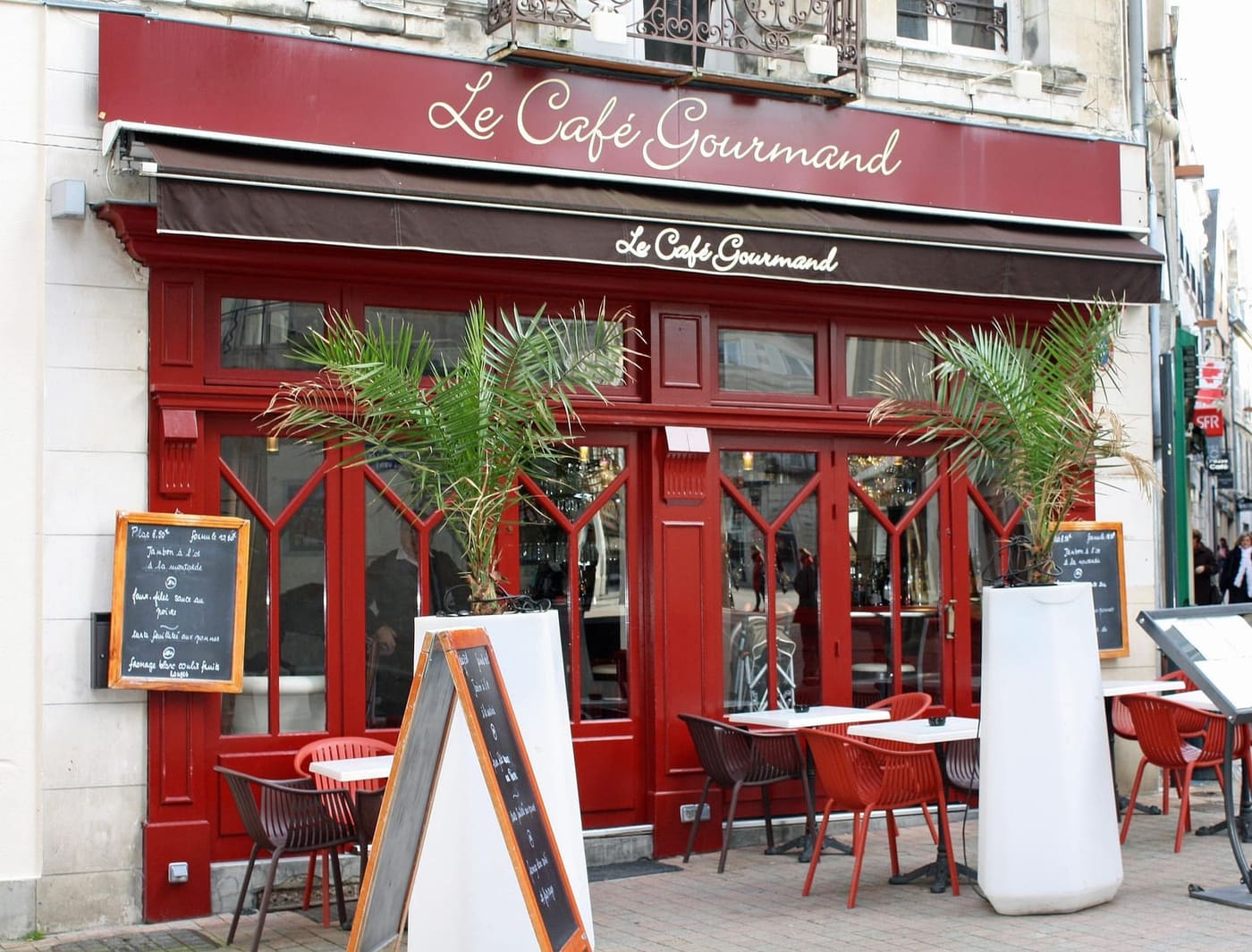
  3. Terraces and cafésTerrace with some practiceThe standard calls him 'good natured and alert, however not noisy' and 'faithful, easy-going and friendly'. A pleasant terrace companion.
  4. Travel and staysTravels easilySmall, light and easy to take along.
  5. CityTown or villageThe Royal Kennel Club says a small house with a small to medium garden is enough, in town or country.

Character

According to the FCI standard, the Kooikerhondje is lively and agile, self-assured, with enough stamina, good-natured and alert, but not noisy. Outside the hunting season he was expected to catch vermin, which is why the standard also asks for a quick and tough dog.

Origin

In 1942, during the Second World War, Baroness Van Hardenbroek van Ammerstol began rebuilding the breed. She gave a pedlar a picture of the type of dog she was looking for. On a farm in Friesland he found the bitch Tommy, the foundation dam of today’s breed. The Dutch Kennel Club (Raad van Beheer) accepted the breed provisionally in 1966 and recognised it officially in 1971. Kooikerhondjes still work in duck decoys: with their tails they lure the curious ducks further into the pipe. The FCI places the breed in Group 8, section 2.

Health

The Royal Kennel Club puts genetic diversity first for this breed and recommends DNA tests for ENM (a hereditary disorder of the spinal cord) and von Willebrand’s disease (vWD3).

Size

The ideal height at the withers is 40 cm for males and 38 cm for females, with 2 cm allowed above and 3 cm below.
Health: what a good breeder tests for

  • DNA test for ENM (hereditary necrotising myelopathy)
  • DNA test for von Willebrand disease (vWD3)
  • Genetic diversity: the Royal Kennel Club puts it first for this breed

Ask for the parents’ results when you visit a litter. This is not medical advice; your vet knows your dog.

Breeders of this breed on GoPuppy

No breeder of this breed on GoPuppy yet.

GoPuppy does not check breeders’ health tests. A listing here is not a seal of approval.

Read also