FCI 250 · Cuba

Havanese

A small, playful companion dog. His name points to Havana, but according to the standard the breed comes from the western Mediterranean and reached Cuba with Italian sea captains.

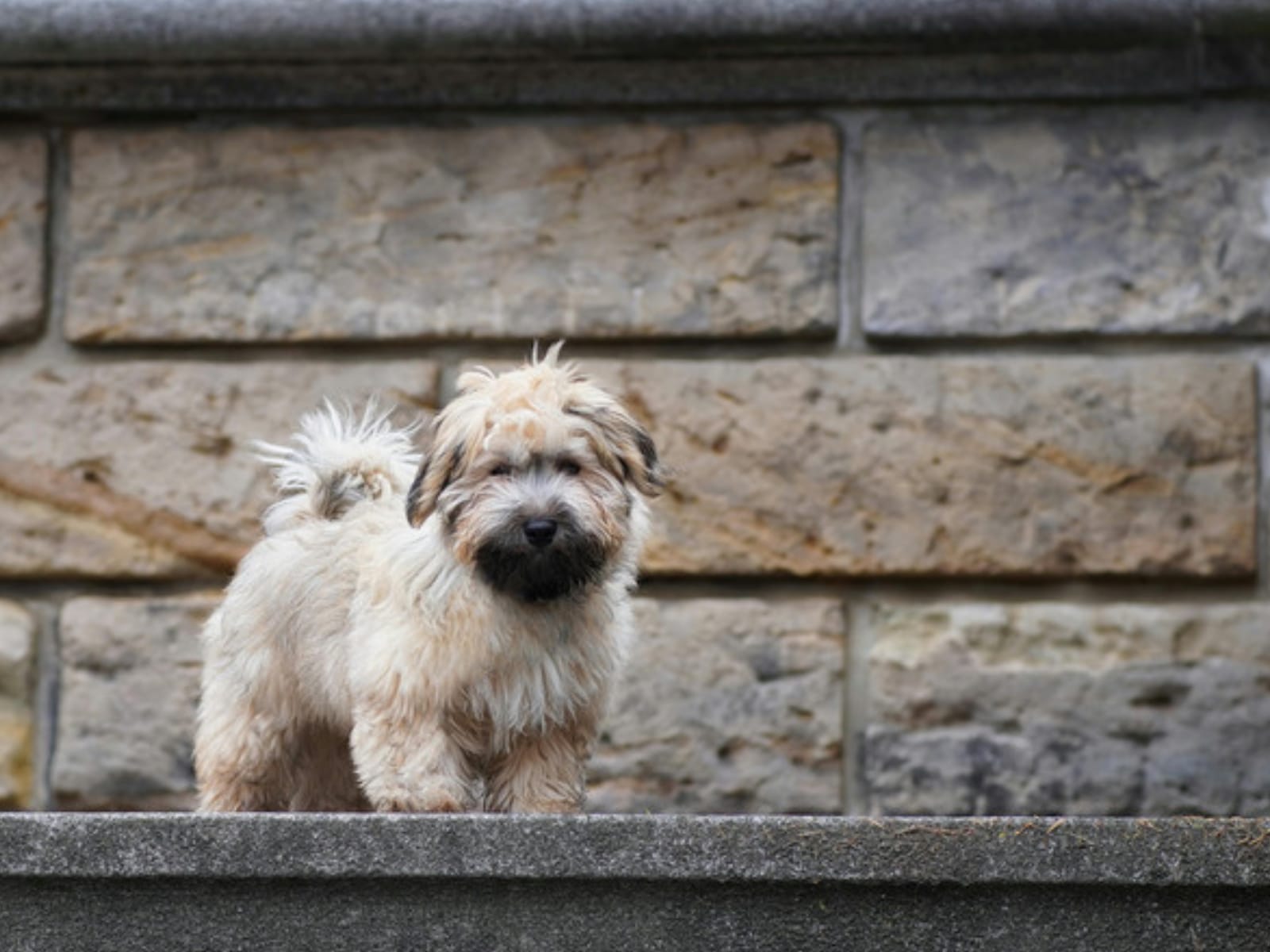
Havanese on a stone wall

Breed facts

FCI
no. 250 · group 9, bichons and related breeds
Origin
Cuba
Height at withers
23–27 cm
Size
23 to 27 cm, with a tolerance of 21 to 29 cm.
Exercise
up to 30 minutes a day (according to the Royal Kennel Club)
Lifespan
over 12 years
Coat
long, sheds little

The GoPuppy profile

These are breed averages and our own assessment. Your own dog’s age, fitness and training matter more.

  1. WalkingShort loopsThe Royal Kennel Club gives up to thirty minutes of exercise a day. Short rounds suit him best.
  2. Dog sportScent work and one sportHoopers, agility in the smallest class and scent work. The standard calls him 'exceptionally bright' and easy to train.Suitshoopersagilityscent work
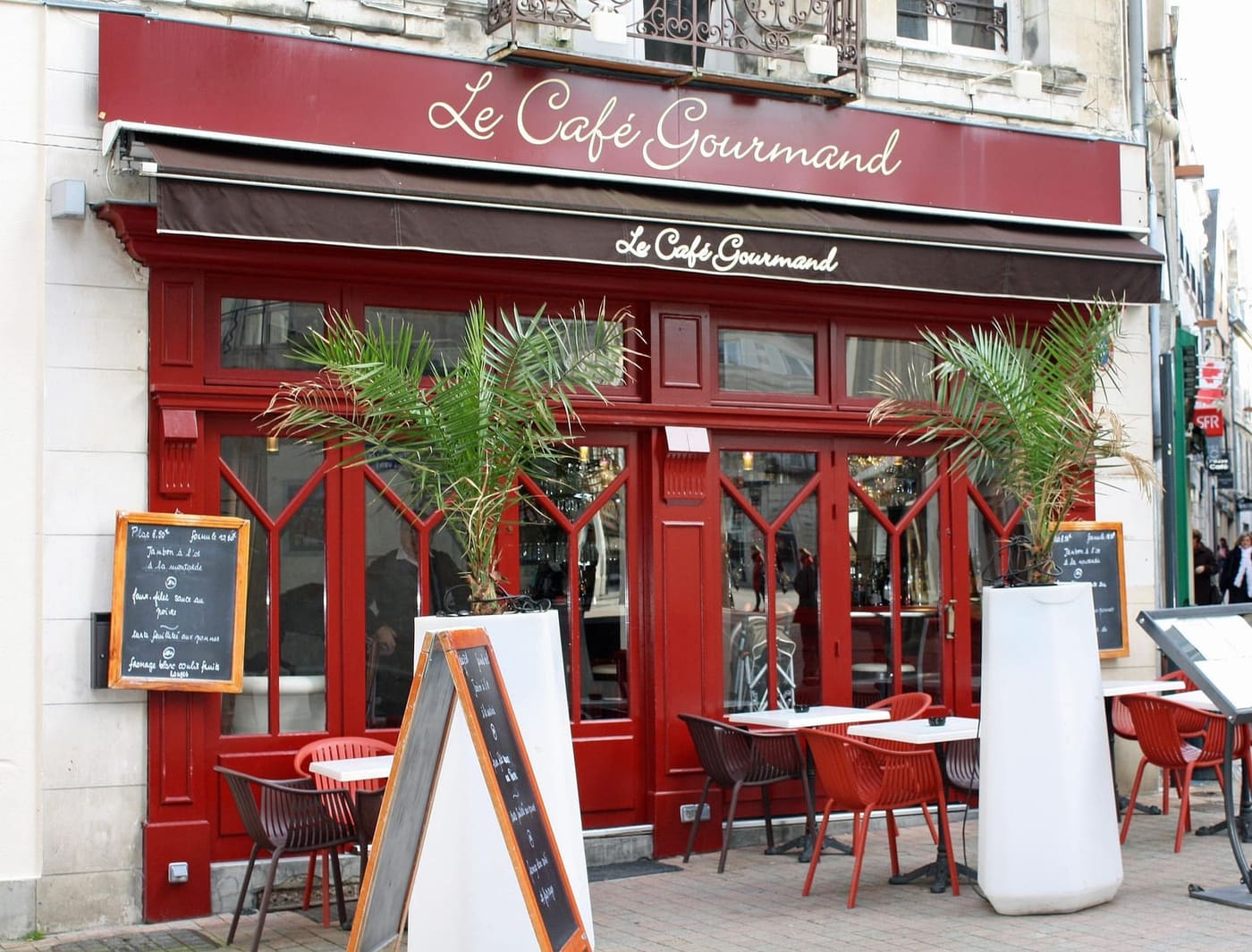
  3. Terraces and cafésCalm on a terraceThe standard calls him affectionate, happy, playful and 'even a bit of a clown'. He fits on a lap or under a chair.
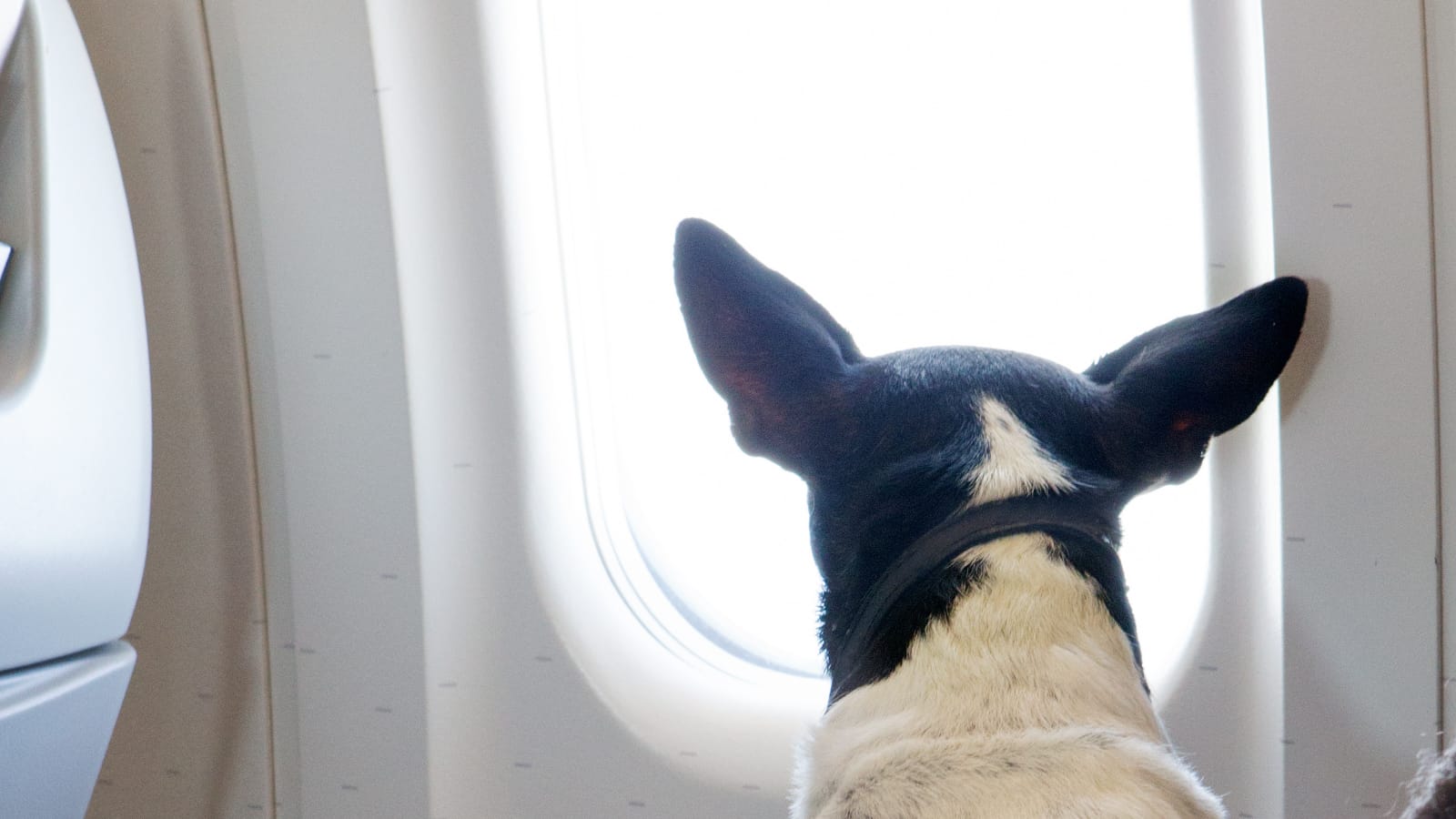
  4. Travel and staysTravels easilySmall and light, easy to carry in a bag or crate, and in the cabin if the airline accepts dogs.
  5. CityCity dogThe Royal Kennel Club says a flat is enough, in town or country.

Character

According to the FCI standard, the Havanese is exceptionally bright and easy to train as an alarm dog. He is affectionate, happy, amiable, a charmer, playful and even a bit of a clown. He loves children and plays with them endlessly.

Origin

According to the standard, the breed comes from the western Mediterranean and developed along the Spanish and Italian coasts. Italian sea captains probably took these dogs to Cuba early on. Their most common colour, tobacco brown, gave rise to the legend that the breed came from Havana. Political events led to the complete disappearance of the old bloodlines in Cuba; a few dogs were smuggled out, and their descendants survived in the United States. The FCI places him in Group 9, section 1, with Cuba as the country of origin.

Coat and health

The Royal Kennel Club lists the Havanese among dogs that do not shed, with a long coat that needs daily care. Breeders should have eyes and elbows tested.

Size

23 to 27 cm, with a tolerance of 21 to 29 cm.
Health: what a good breeder tests for

  • Eye testing
  • Elbows (X-ray, official result)

Ask for the parents’ results when you visit a litter. This is not medical advice; your vet knows your dog.

Breeders of this breed on GoPuppy

No breeder of this breed on GoPuppy yet.

GoPuppy does not check breeders’ health tests. A listing here is not a seal of approval.

Read also