FCI 291 · Germany

Eurasier

A young German breed, created in 1960 by crossing a Chow Chow with a Wolfspitz, later joined by the Samoyed. Julius Wipfel founded the breed.

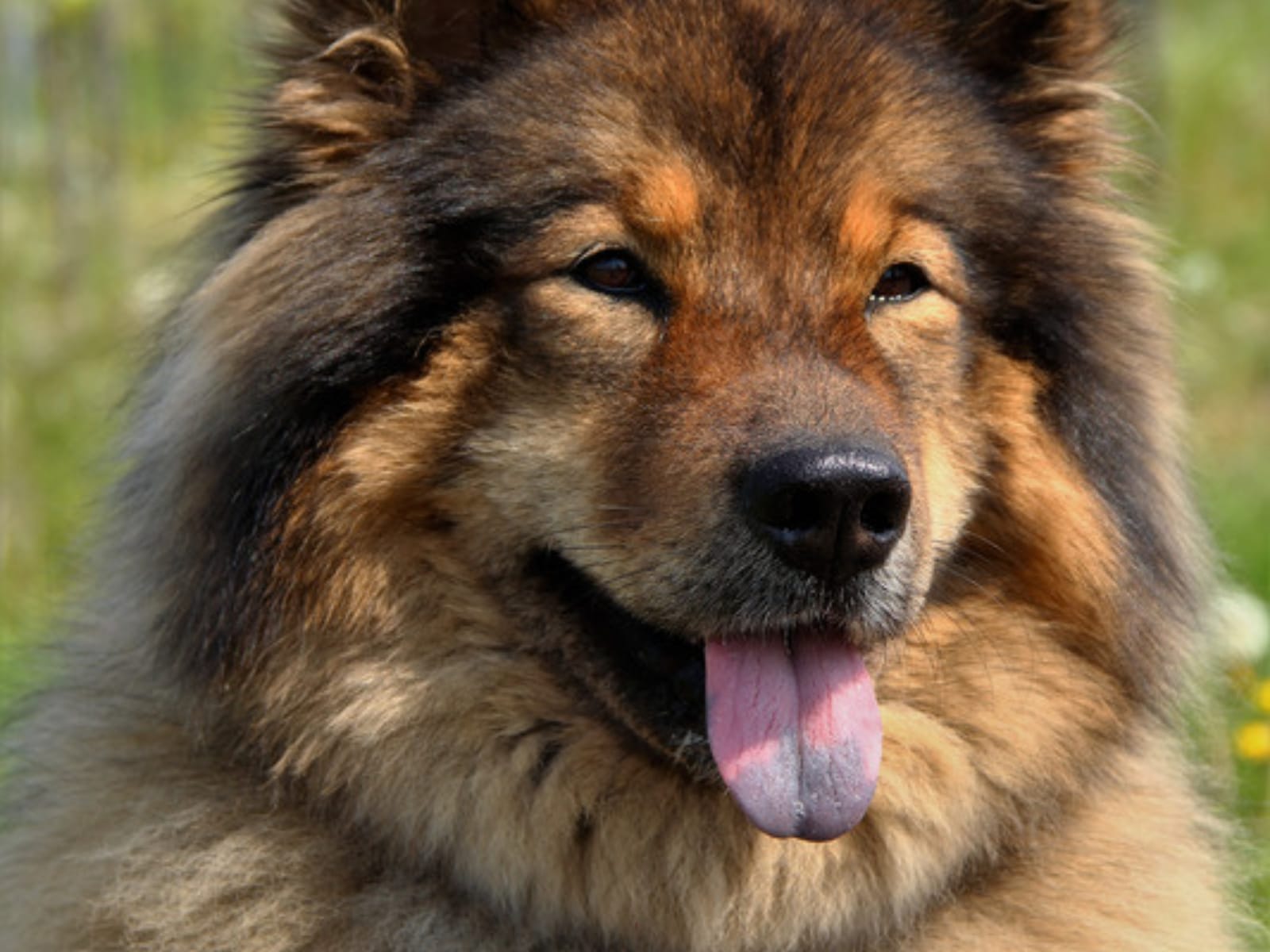
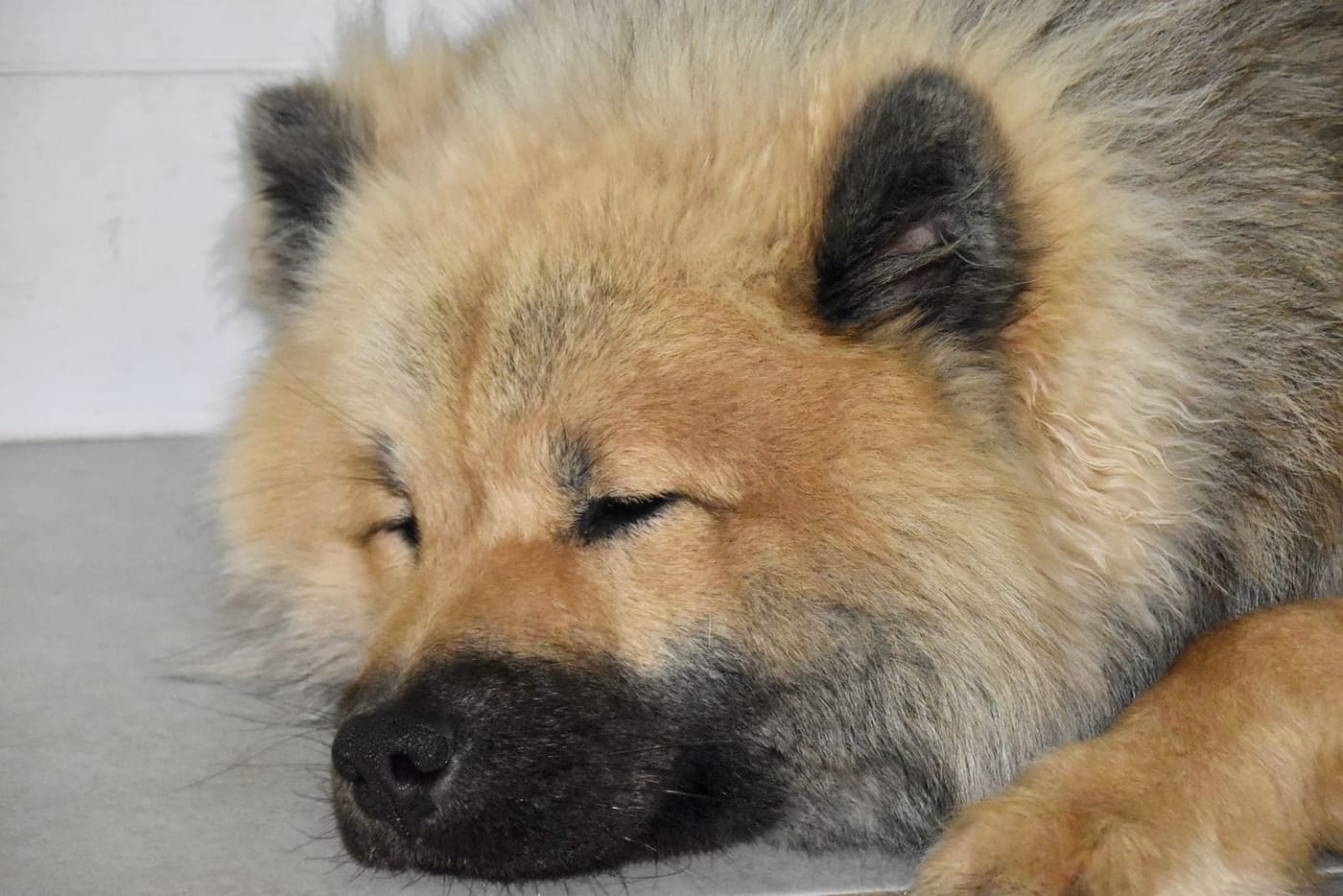
Eurasier outdoors, close-up

Breed facts

FCI
no. 291 · group 5, Asian spitz
Origin
Germany
Height at withers
male 52–60 cm · female 48–56 cm
Weight
male 22–30 kg · female 18–26 kg
Exercise
up to 1 hour a day (according to the Royal Kennel Club)
Lifespan
over 10 years
Coat
medium length, sheds

The GoPuppy profile

These are breed averages and our own assessment. Your own dog’s age, fitness and training matter more.

  1. WalkingLong walksThe Royal Kennel Club gives up to an hour of exercise a day. A healthy Eurasier happily walks further.
  2. Dog sportScent work and one sportScent work, canicross and hoopers at a relaxed level.Suitsscent workcanicrosshoopers
  3. Terraces and cafésTerrace with some practiceThe standard calls him self-assured and calm, with high resistance to provocation, watchful without being noisy, and relaxed towards strangers.
  4. Travel and staysTravels with some planningMedium-sized and easy to take in the car.
  5. CityTown or villageThe Royal Kennel Club says a small house with a small to medium garden is enough, in town or country.

Character

According to the FCI standard, the Eurasier is self-assured, calm and even-tempered, with high resistance to provocation. He is watchful and alert without being noisy, strongly bonded to his family, and relaxed towards strangers without being obtrusive. The standard adds that to develop these qualities he needs constant close contact with his family and understanding yet consistent training.

Origin

In 1960 the breed was created by crossing a Chow Chow with a Wolfspitz. First called ‘Wolf-Chow’, it was renamed ‘Eurasier’ after a cross with a Samoyed, and recognised by the FCI. Julius Wipfel founded the breed. The FCI places him in Group 5, section 5, with Germany as the country of origin.

Health

The Royal Kennel Club puts genetic diversity first and recommends hip, elbow and eye testing.

Size

Males measure 52 to 60 cm and weigh 22 to 30 kg, females 48 to 56 cm and 18 to 26 kg. The ideal is 56 cm and 26 kg for males, 52 cm and 22 kg for females.

Health: what a good breeder tests for

  • Prioritising genetic diversity when choosing the parents
  • Hips (X-ray, official result)
  • Elbows (X-ray, official result)
  • Eye testing

Ask for the parents’ results when you visit a litter. This is not medical advice; your vet knows your dog.

Breeders of this breed on GoPuppy

No breeder of this breed on GoPuppy yet.

GoPuppy does not check breeders’ health tests. A listing here is not a seal of approval.

Read also