FCI 308 · Netherlands

Dutch Smoushond

Once the "gentleman’s stable dog" of Amsterdam. He ran with horse and carriage and caught rats in the stable.

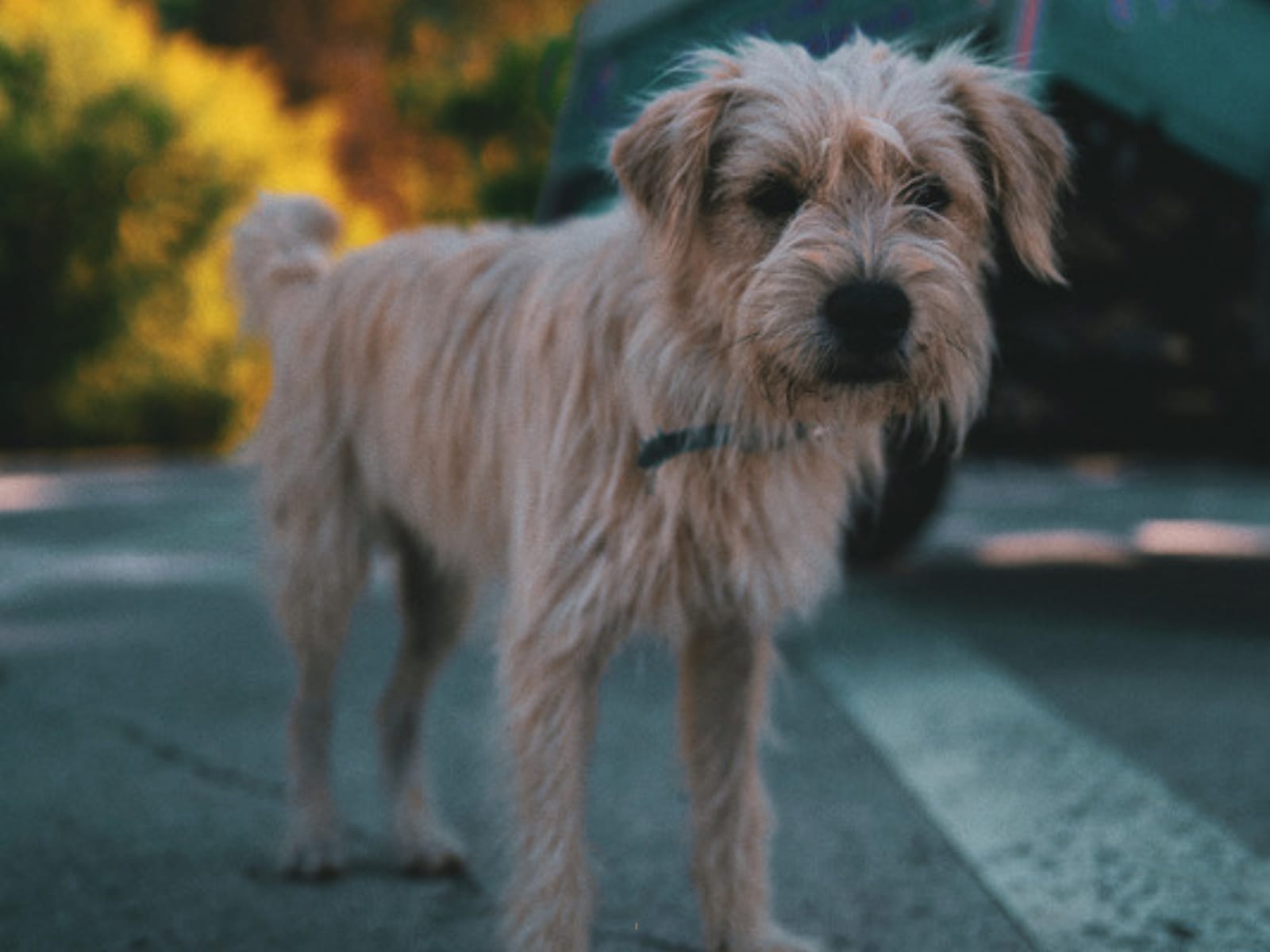
Dutch Smoushond standing in the street

Breed facts

FCI
no. 308 · group 2, pinschers and schnauzers
Origin
Netherlands
Height at withers
male 37–42 cm · female 35–40 cm
Weight
7–11 kg

The GoPuppy profile

These are breed averages and our own assessment. Your own dog’s age, fitness and training matter more.

  1. WalkingLong walksLively and strong. He happily comes along, longer rounds included.
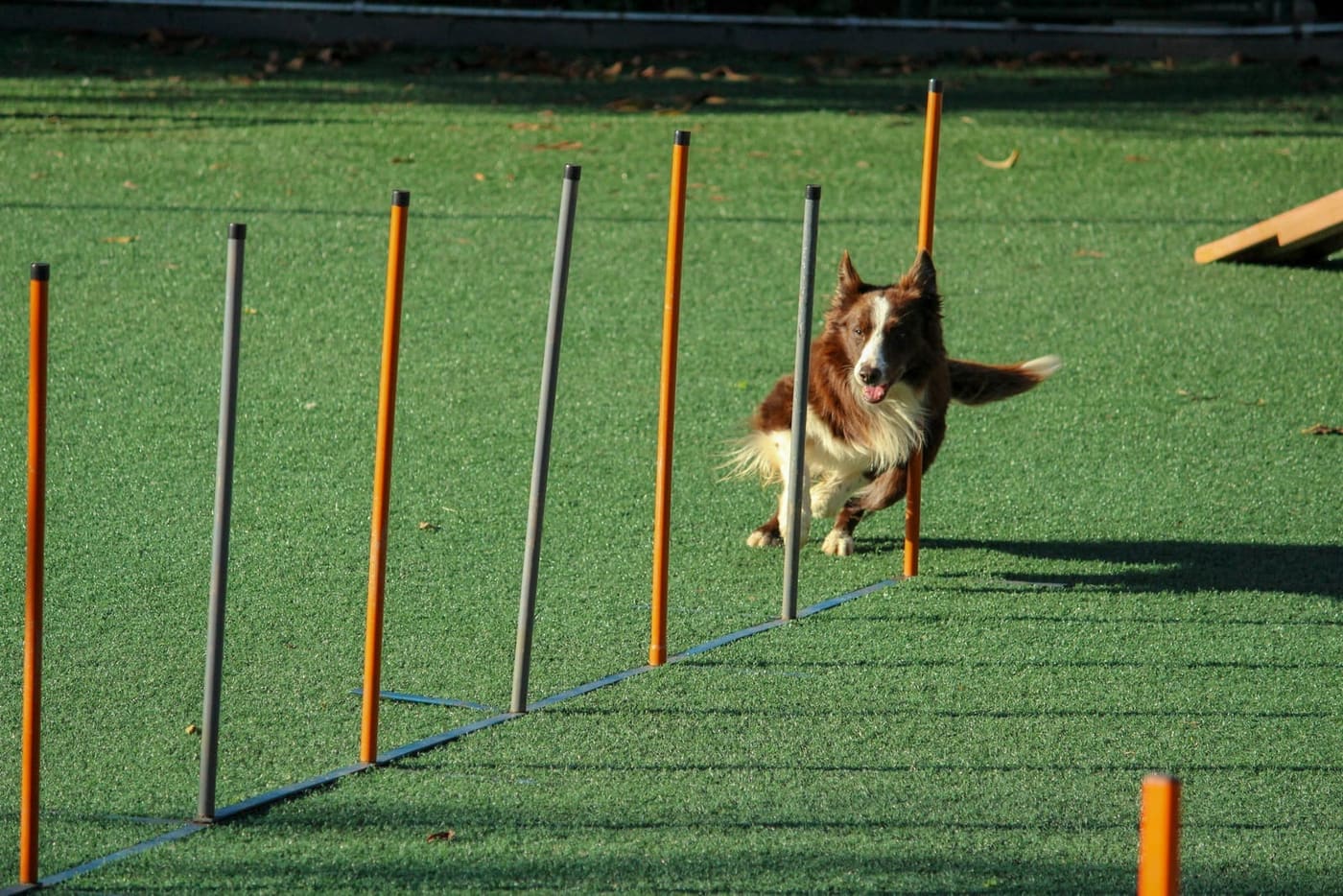
  2. Dog sportScent work and one sportAgility, hoopers and scent work suit a lively, clever dog.Suitsagilityscent workhoopers
  3. Terraces and cafésTerrace with some practiceThe standard calls him affectionate, gay and friendly, lively but not nervous or easily frightened.
  4. Travel and staysTravels easilySmall and sturdy, easy to take along.
  5. CityTown or villageBred as a companion dog. He suits a house in town or country.

Character

According to the FCI standard, the Dutch Smoushond is affectionate, gay, friendly and free-spirited by nature. He is lively, but not nervously over-active, nor easily frightened.

Origin

In the mid-19th century it was popular among the Dutch upper middle classes to keep a dog that followed horse and carriage and caught rats in the stables. The origin is uncertain, but the yellow Schnauzer is believed to be one of the founding dogs. An Amsterdam dog dealer sold them as “gentleman’s stable dogs” to visitors of the commodity exchange. The name later became “Smous”, rough-bearded, to tell it apart from the Brussels Griffon. The first standard dates from 1905. The breed almost vanished: the last litter was registered in the Dutch stud book in 1949. In 1973 Mrs H.M. Barkman van der Weel set out to reconstruct it. The FCI places it in Group 2, section 1, pinscher and schnauzer type.

Health

According to a Wageningen UR study, the breed counted as endangered under the FAO classification in 2008. Ask the breeder about the relatedness and inbreeding of the parents.

Size

Males measure approximately 37 to 42 cm, females approximately 35 to 40 cm. Weight varies between 7 and 11 kg.
Health: what a good breeder tests for

  • Rare breed: in 2008 'endangered' under the FAO classification. Ask about the relatedness and inbreeding of the parents

Ask for the parents’ results when you visit a litter. This is not medical advice; your vet knows your dog.

Breeders of this breed on GoPuppy

No breeder of this breed on GoPuppy yet.

GoPuppy does not check breeders’ health tests. A listing here is not a seal of approval.

Read also