FCI 224 · Netherlands

Drentsche Partridge Dog

A pointing dog from Drenthe, where it was kept pure for centuries. When it searches, its tail circles.

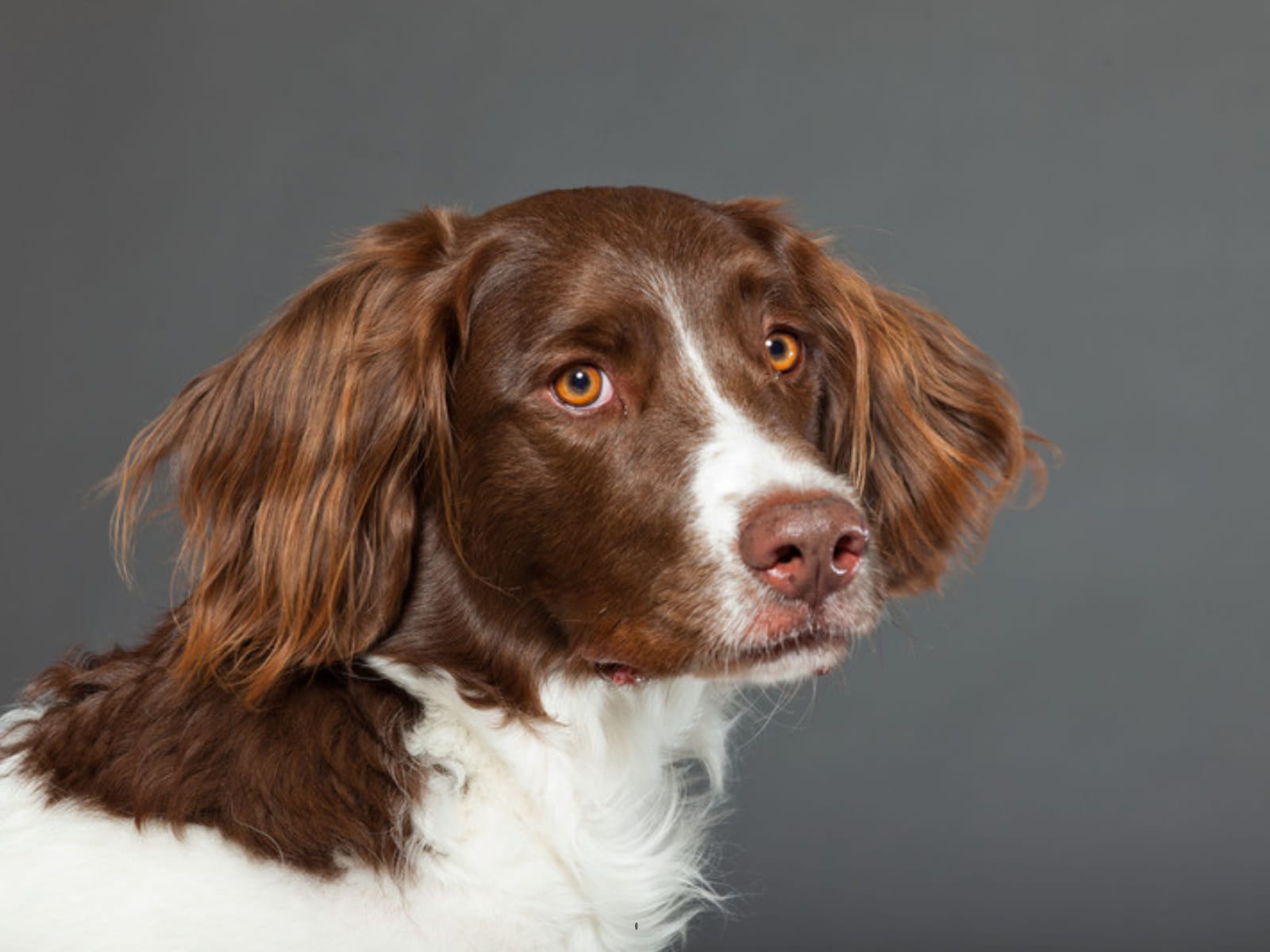
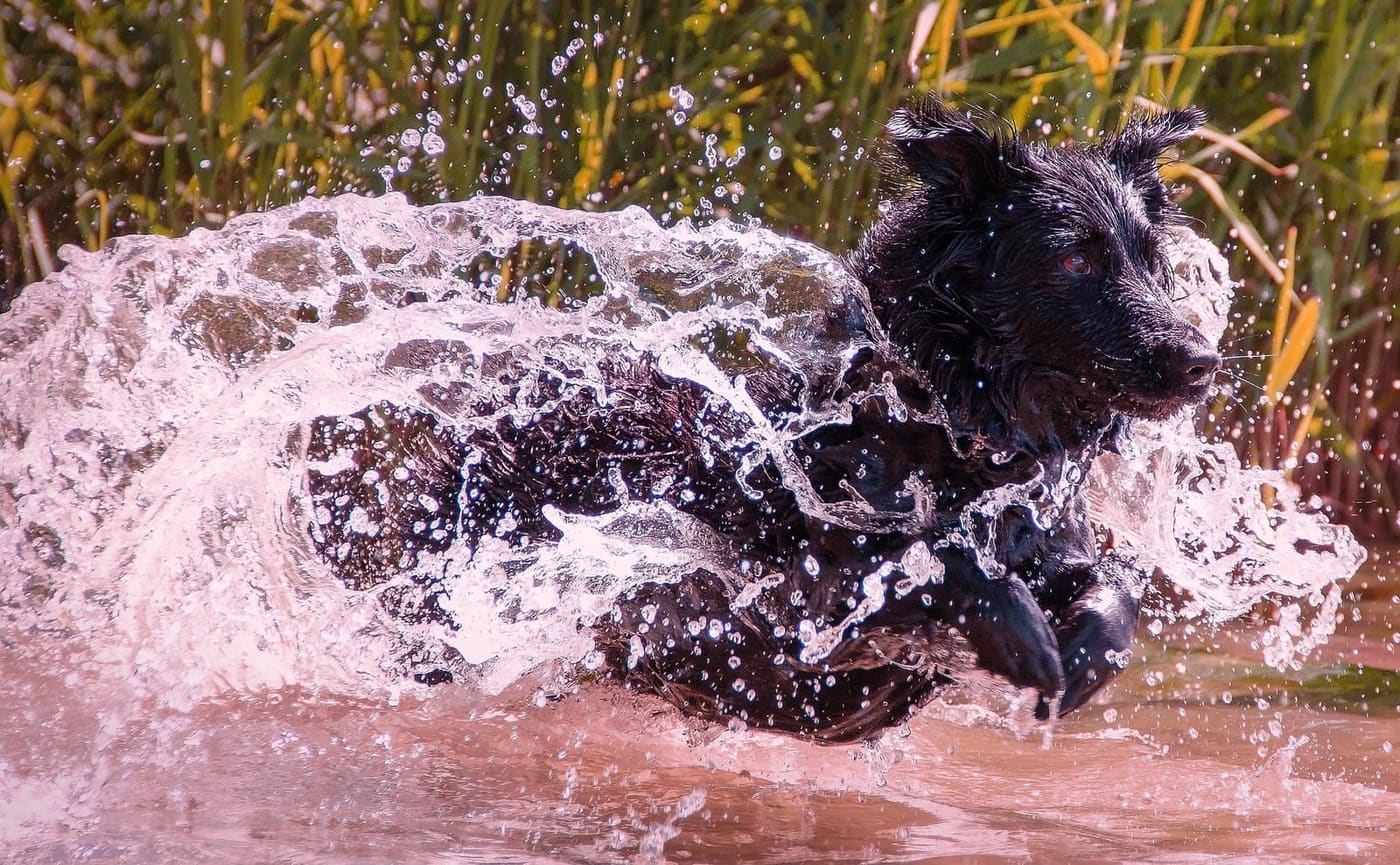
Drentsche Partridge Dog, portrait

Breed facts

FCI
no. 224 · group 7, continental pointing dogs
Origin
Netherlands
Height at withers
male 58–63 cm · female 55–60 cm
Weight
male 30–35 kg · female 25–31 kg

The GoPuppy profile

These are breed averages and our own assessment. Your own dog’s age, fitness and training matter more.

  1. WalkingFull-day hikesA hunting dog who likes long hours outside. According to the standard he keeps in touch with his owner by instinct.
  2. Dog sportSport with a build-upA hunting dog with a working trial. Dummy training, scent work and retrieving suit him.Suitsgundog workdummy trainingscent work
  3. Terraces and cafésTerrace after trainingThe standard calls him loyal and intelligent, sometimes reserved at first, but never fearful.
  4. Travel and staysTravel takes preparationMedium to large. Fits in a roomy car or crate.
  5. CityNeeds a big gardenTown life works with enough exercise. A house with a garden suits him better.

Character

According to the FCI standard, the Drentsche Partridge Dog hunts within range of the gun and keeps in touch with the hunter by instinct. When searching, its tail moves in a circle, especially when it picks up the scent of game. It points solidly and waits for the hunter, looking back if that takes long. It hunts all sorts of game, in the field and in water, and retrieves. Because of its gentle character, the standard calls forceful training methods harmful. It can be reserved at first, never fearful; it is loyal and intelligent.

Origin

The breed arose in the 16th century from the “Spioenen” or “Spanjoelen”, which came from Spain by way of France. In the Netherlands they were called partridge dogs. In the east of the country, especially in Drenthe, they were kept pure. On 15 May 1943 the Raad van Beheer recognised the breed. It is related to the Small Münsterländer and the Epagneul Français. The FCI places it in Group 7, section 1.2, continental pointing dogs of spaniel type, with a working trial.

Health

According to a Wageningen UR study, breeding dogs must meet the breed’s breeding rules, with good results for hips (HD) and eyes. In 2008 the breed counted as vulnerable under the FAO classification.

Size

Males measure 58 to 63 cm and weigh 30 to 35 kg, females measure 55 to 60 cm and weigh 25 to 31 kg.

Health: what a good breeder tests for

  • Hips (HD) and eyes: required for breeding dogs under the breed’s breeding rules
  • Rare breed: in 2008 'vulnerable' under the FAO classification. Ask about the relatedness and inbreeding of the parents

Ask for the parents’ results when you visit a litter. This is not medical advice; your vet knows your dog.

Breeders of this breed on GoPuppy

No breeder of this breed on GoPuppy yet.

GoPuppy does not check breeders’ health tests. A listing here is not a seal of approval.

Read also