FCI 11 · Great Britain

Bull Terrier

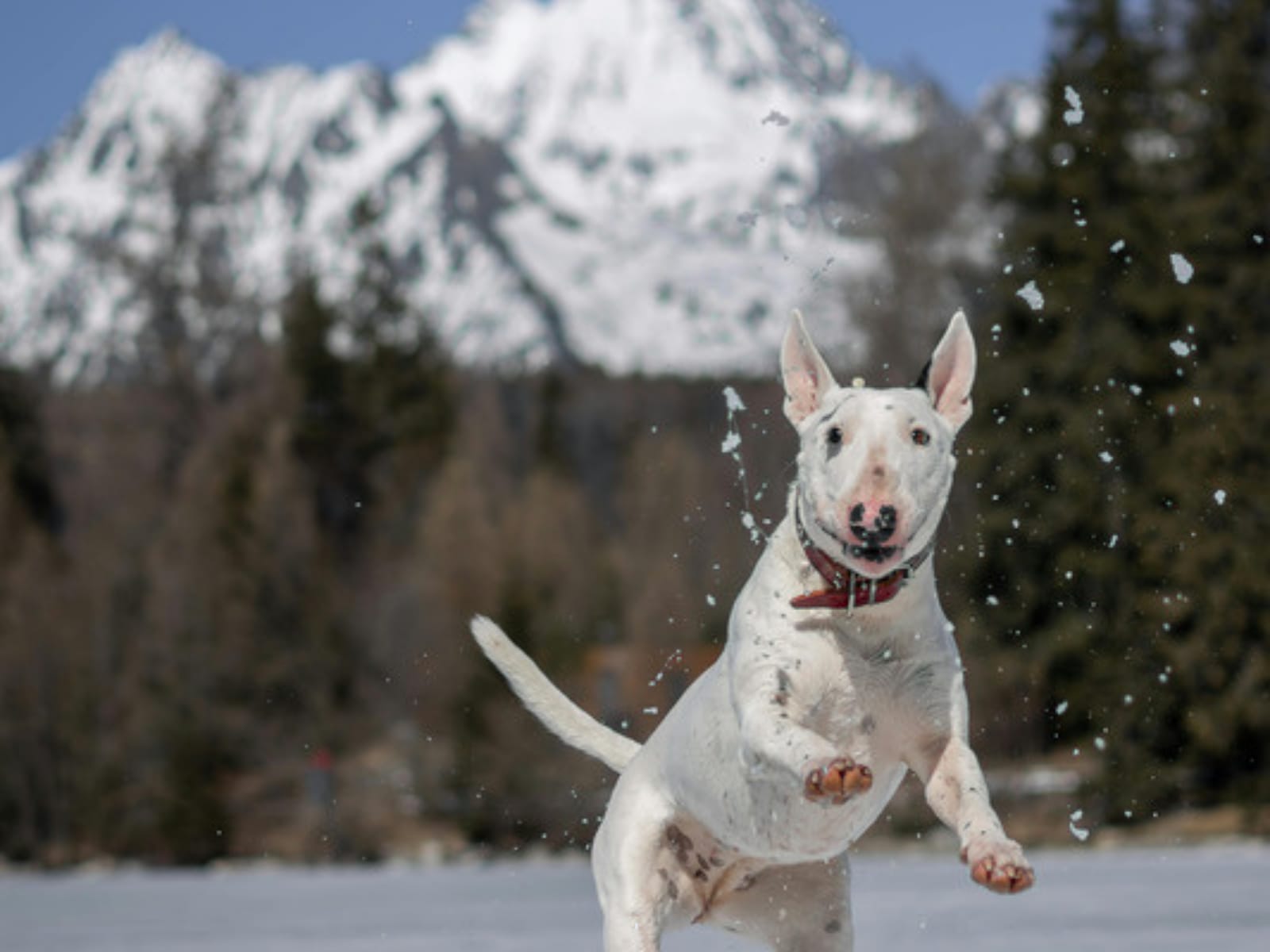
A muscular British terrier with an egg-shaped head. James Hinks standardised the type in the 1850s, and the standard calls him courageous, full of spirit and 'particularly good with people'.

White Bull Terrier leaping in the snow

Breed facts

FCI
no. 11 · group 3, bull type terriers
Origin
Great Britain
Size
The standard deliberately sets no height or weight limits; the dog should show maximum substance for its size.
Exercise
up to 1 hour a day (according to the Royal Kennel Club)
Lifespan
over 10 years
Coat
short, sheds

The GoPuppy profile

These are breed averages and our own assessment. Your own dog’s age, fitness and training matter more.

  1. WalkingLong walksThe Royal Kennel Club gives up to an hour of exercise a day. A healthy Bull Terrier happily walks further.
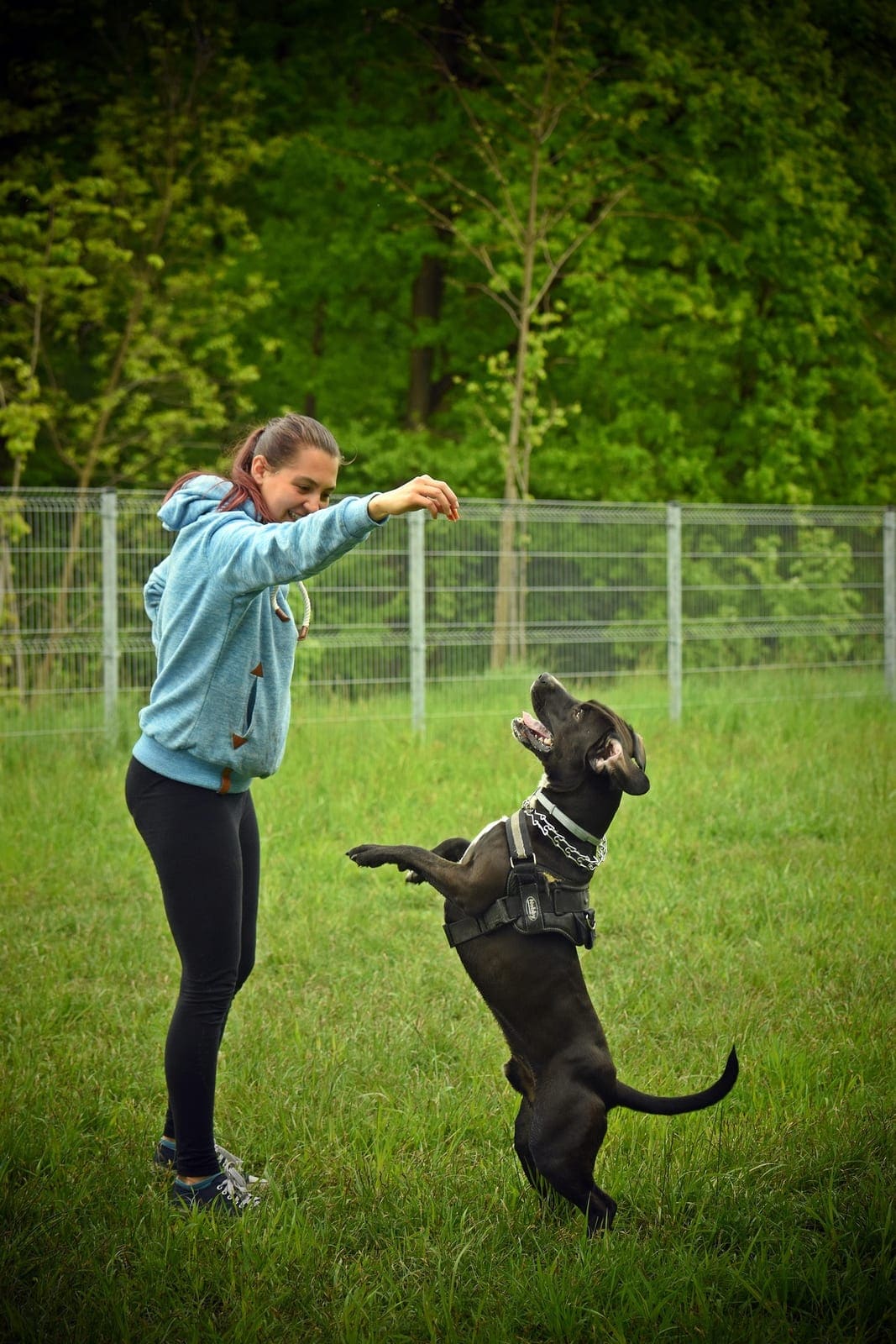
  2. Dog sportScent work and one sportScent work and obedience. The standard calls him obstinate, but also 'amenable to discipline'.Suitsscent workobedience
  3. Terraces and cafésTerrace after trainingThe standard calls him of even temperament and very good with people. Lying calmly among other dogs takes practice.
  4. Travel and staysTravels with some planningMedium-sized, with a short coat. Easy to take in the car.
  5. CityTown or villageThe Royal Kennel Club says a small house with a small to medium garden is enough, in town or country.

Character

According to the FCI standard, the Bull Terrier is courageous, full of spirit and fun-loving. He has an even temperament and responds well to training. The standard admits he can be obstinate, but is ‘particularly good with people’. A training club helps channel his strength and playfulness.

Origin

James Hinks standardised the type in the 1850s, choosing the characteristic egg-shaped head. The breed was first shown in its present form at Birmingham in 1862, and the Bull Terrier Club was formed in 1887. A smaller variety has existed since the early 19th century; it is now a separate breed, the Miniature Bull Terrier. The FCI places the Bull Terrier in Group 3, section 3.

Health

The Royal Kennel Club puts genetic diversity first and recommends hearing testing (BAER), including litter screening. A breed club also runs its own scheme for heart and kidney disease.

Size

The standard deliberately sets no height or weight limits. It asks for a dog showing maximum substance for its size, and always balanced.
Health: what a good breeder tests for

  • Prioritising genetic diversity when choosing the parents
  • Hearing test (BAER), including litter screening

Ask for the parents’ results when you visit a litter. This is not medical advice; your vet knows your dog.

Breeders of this breed on GoPuppy

No breeder of this breed on GoPuppy yet.

GoPuppy does not check breeders’ health tests. A listing here is not a seal of approval.

Read also