FCI 215 · Belgium and France

Bichon Frisé

A small white dog with curls, recognised as a Franco-Belgian breed. His name comes from 'barbichon', a little Barbet, and in the 17th and 18th centuries renowned painters showed him beside kings and nobles.

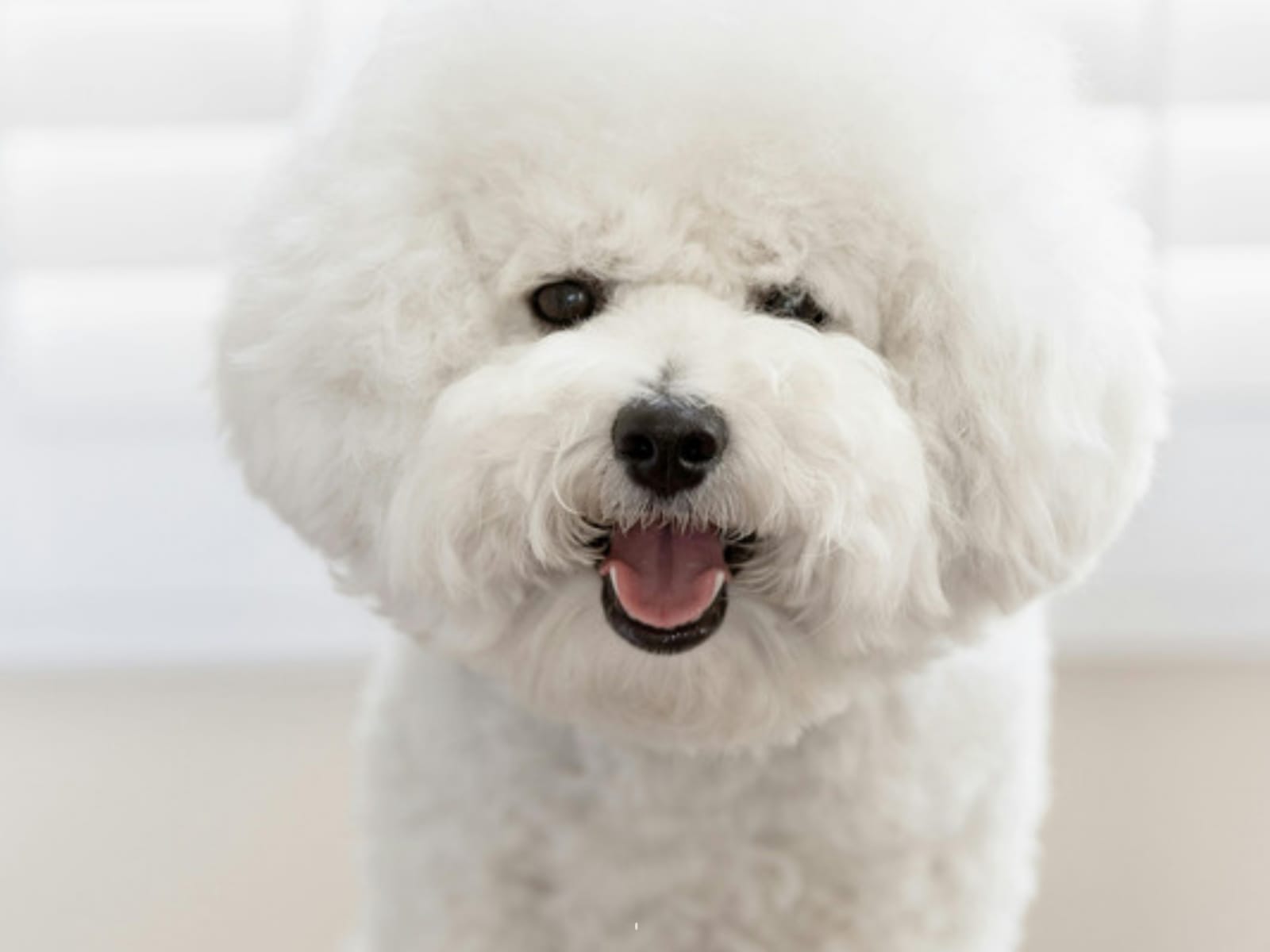
White Bichon Frisé, close-up

Breed facts

FCI
no. 215 · group 9, bichons and related breeds
Origin
Belgium and France
Height at withers
25–29 cm
Size
25 to 29 cm; males may be 1 cm taller, females 2 cm shorter. Weight is about 5 kg.
Exercise
up to 30 minutes a day (according to the Royal Kennel Club)
Lifespan
over 12 years
Coat
medium length, sheds little

The GoPuppy profile

These are breed averages and our own assessment. Your own dog’s age, fitness and training matter more.

  1. WalkingShort loopsThe Royal Kennel Club gives up to thirty minutes of exercise a day. Short rounds suit him best.
  2. Dog sportCalm gamesHoopers and scent work at his own pace.Suitshoopersscent work
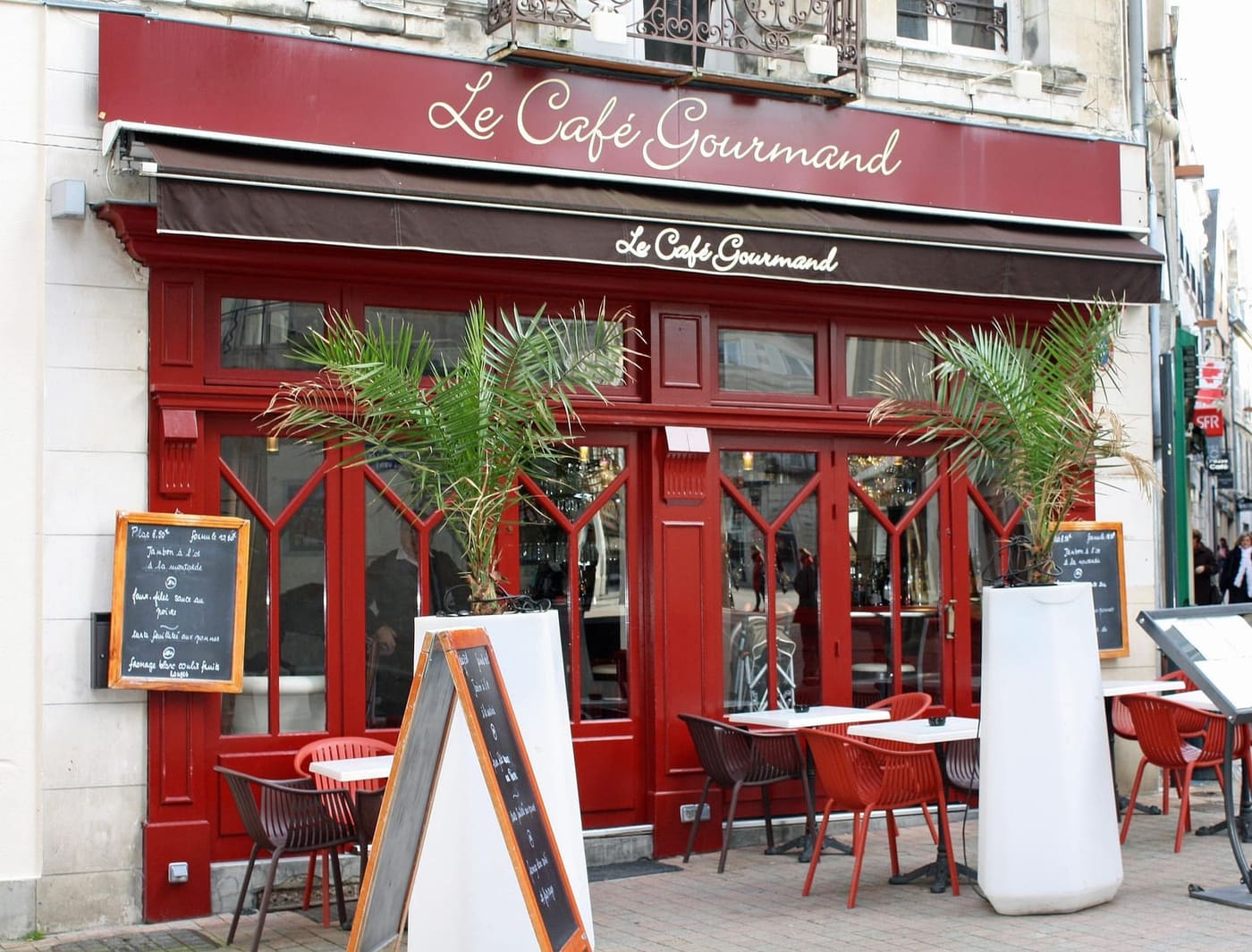
  3. Terraces and cafésCalm on a terraceThe standard calls him a true companion dog that can be taken anywhere, not nervous, rarely barking and sociable with people and dogs.
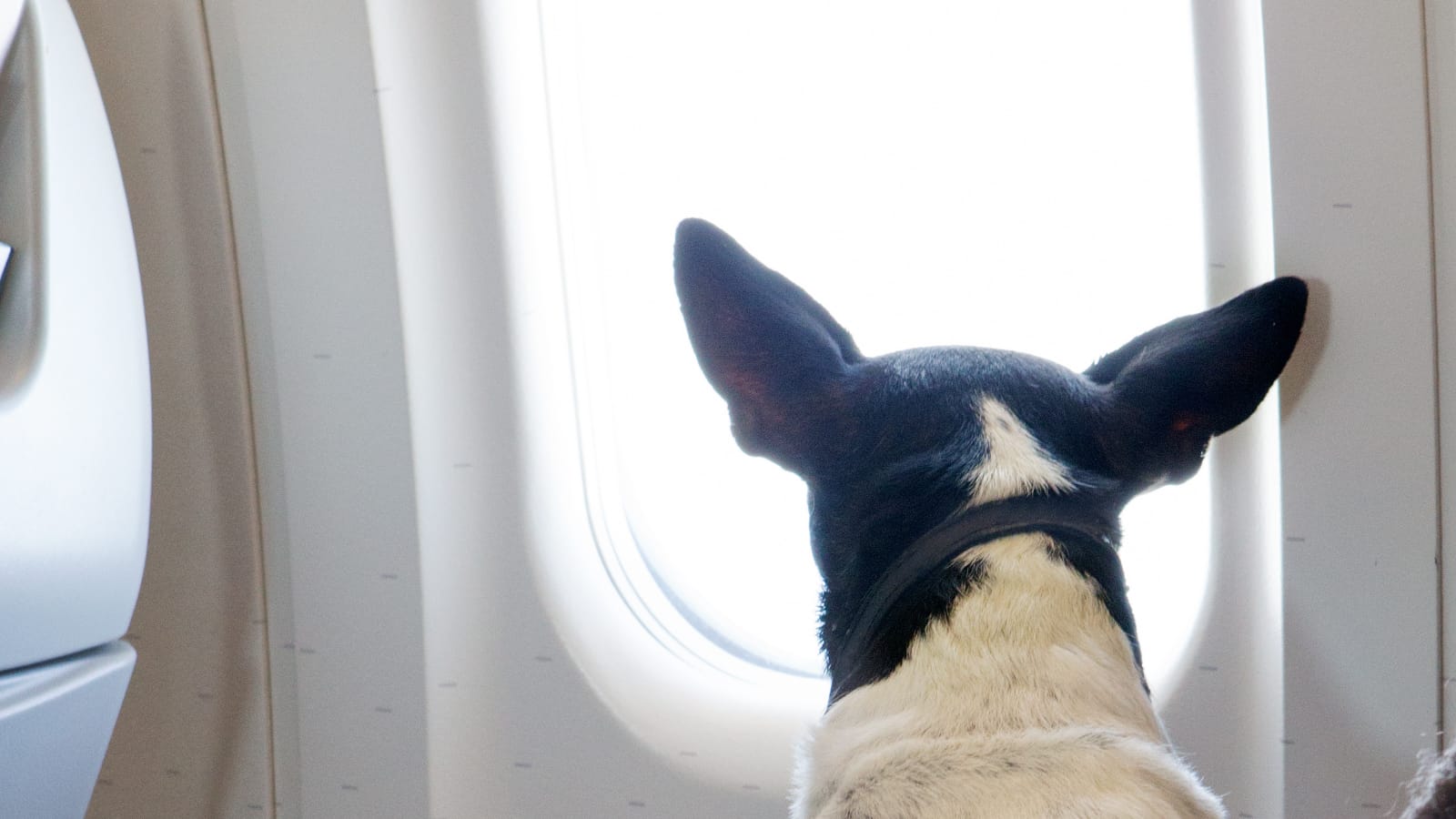
  4. Travel and staysTravels easilySmall and light, easy to carry in a bag or crate, and in the cabin if the airline accepts dogs.
  5. CityCity dogThe Royal Kennel Club says a flat is enough, in town or country.

Character

According to the FCI standard, the Bichon Frisé is a true companion dog that can be taken anywhere without trouble. He is not nervous, does not often bark, and is very sociable with people and dogs, even ones he does not know. He adapts easily and is very attached to his owners.

Origin

The Bichon came to France from Italy during the Renaissance. Because he looked like a very small Barbet, he was called ‘barbichon’, later shortened to ‘bichon’. He came back into fashion under Napoleon III, then known as the ‘Ténériffe’. After the two world wars he had almost disappeared; French and Belgian breeders rebuilt the breed. The first dog registered in Belgium was Pitou, born on 23 March 1924 and entered in the Belgian stud book (LOSH) in 1932. In 1978 the breed received its current French name, ‘Bichon à poil frisé’, and was recognised as a Franco-Belgian breed. The FCI places him in Group 9, section 1.

Coat

The Royal Kennel Club lists the Bichon among dogs that do not shed, with a coat that needs daily care. Not shedding is not the same as hypoallergenic; see our page on designer crossbreeds. The Royal Kennel Club recommends eye testing for breeders.

Size

25 to 29 cm; males may be 1 cm taller, females 2 cm shorter. Weight is about 5 kg.
Health: what a good breeder tests for

  • Eye testing

Ask for the parents’ results when you visit a litter. This is not medical advice; your vet knows your dog.

Breeders of this breed on GoPuppy

No breeder of this breed on GoPuppy yet.

GoPuppy does not check breeders’ health tests. A listing here is not a seal of approval.

Read also