FCI 287 · Australia

Australian Cattle Dog

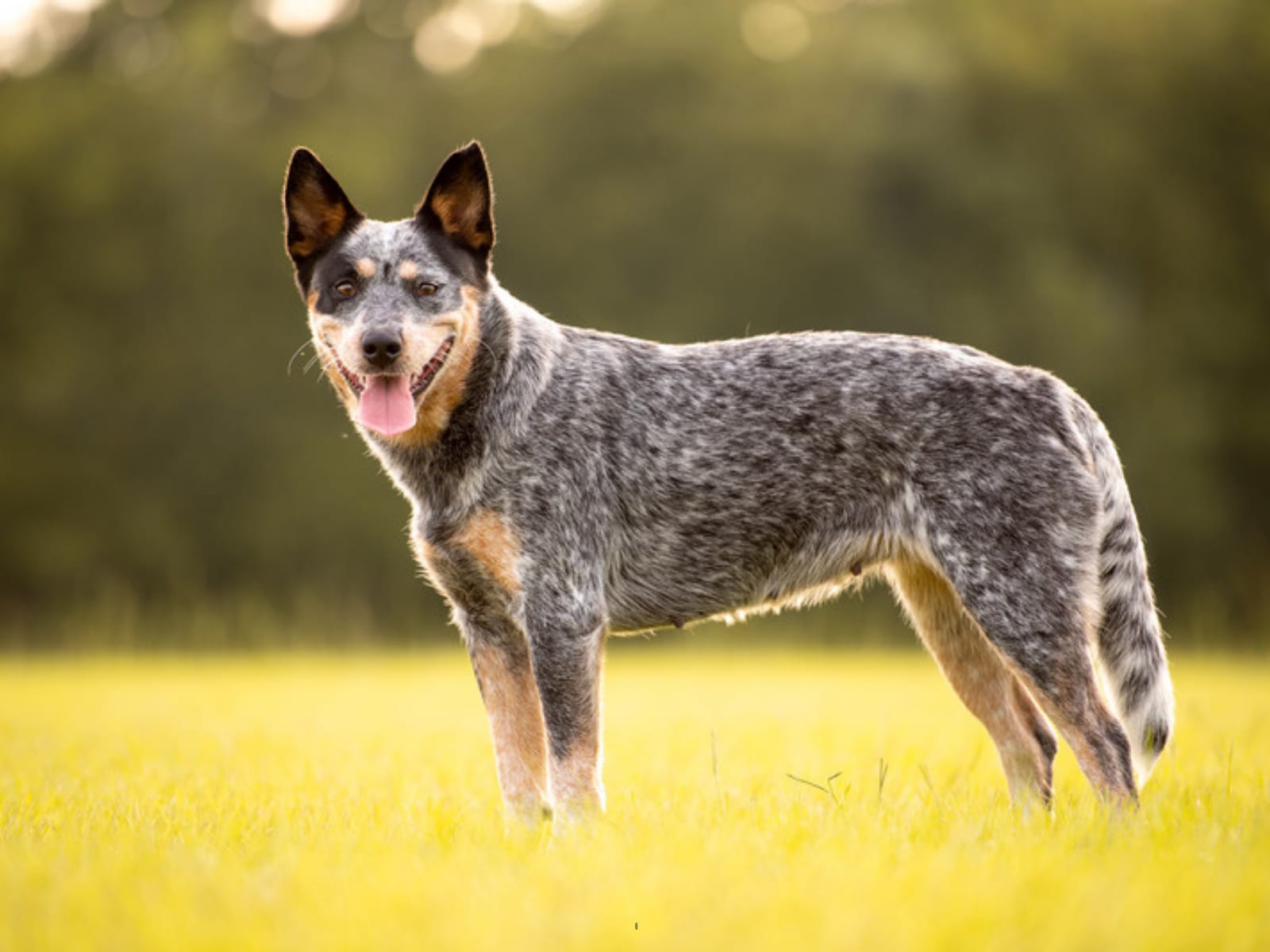
An Australian cattle dog, also called the Blue or Red Heeler, because he crouches low and nips at the heels of cattle.

Blue Australian Cattle Dog standing in a yellow meadow

Breed facts

FCI
no. 287 · group 1, cattle dogs
Origin
Australia
Height at withers
male 46–51 cm · female 43–48 cm
Exercise
more than 2 hours a day (according to the Royal Kennel Club)
Lifespan
over 10 years
Coat
short, sheds

The GoPuppy profile

These are breed averages and our own assessment. Your own dog’s age, fitness and training matter more.

  1. WalkingFull-day hikesThe Royal Kennel Club gives more than two hours of exercise a day and calls him tireless.
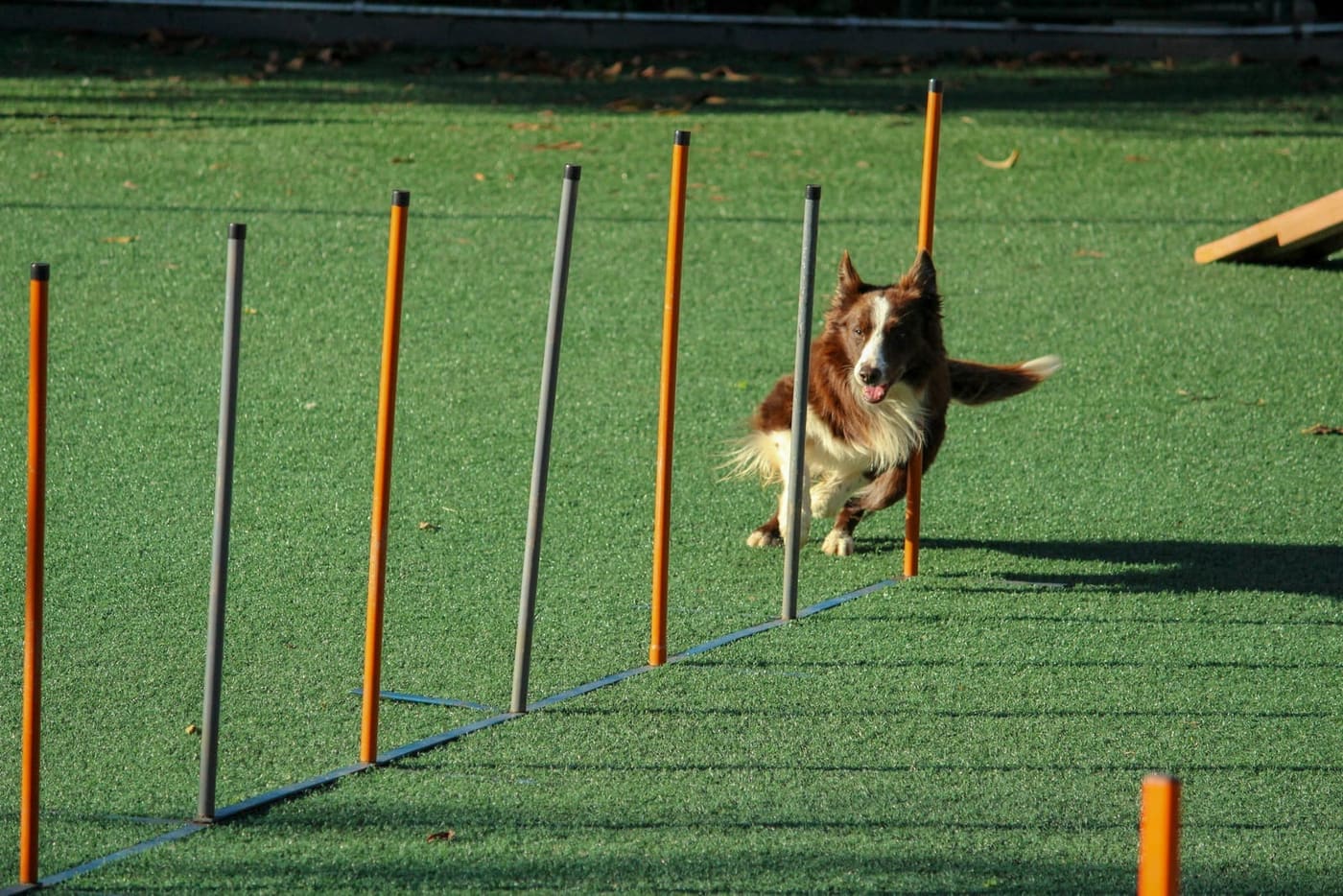
  2. Dog sportSports partnerA working dog who needs a job. Agility, flyball, canicross and herding suit him.Suitsagilityherdingcanicrossflyball
  3. Terraces and cafésRather not a busy terraceThe standard calls him naturally suspicious of strangers. A busy terrace takes practice.
  4. Travel and staysTravel takes preparationMedium-sized and sturdy, easy to take along.
  5. CityNeeds a big gardenThe Royal Kennel Club suggests a small house with a small to medium garden, in the country.

Character

According to the FCI standard, his loyalty and protective instincts make him the self-appointed guardian of the stockman, his herd and his property. He is naturally suspicious of strangers, but must be amenable to handling. He is always alert, extremely intelligent, watchful, courageous and trustworthy, with an implicit devotion to duty.

Origin

The breed was developed for the cattle industry in early Australia, where a strong, biting dog with great stamina was needed to muster and move wild cattle. According to the standard, it most likely came from blue merle smooth-haired Collies crossed with the Dingo, with later Dalmatian and black and tan Kelpie blood. The Royal Kennel Club calls the colours blue, blue speckle, blue mottle and red speckle a distinctive feature. The FCI places him in Group 1, section 2, cattle dogs.

Health

The Royal Kennel Club puts genetic diversity first and asks for a DNA test for PRA (prcd-PRA), a hearing test (BAER) that includes the puppies, and eye, hip and elbow testing.

Size

Males measure 46 to 51 cm, females 43 to 48 cm.
Health: what a good breeder tests for

  • Prioritising genetic diversity when choosing the parents
  • DNA test for PRA (prcd-PRA)
  • Hearing test (BAER), puppies included
  • Eye testing
  • Hips (X-ray, official result)
  • Elbows (X-ray, official result)

Ask for the parents’ results when you visit a litter. This is not medical advice; your vet knows your dog.

Breeders of this breed on GoPuppy

No breeder of this breed on GoPuppy yet.

GoPuppy does not check breeders’ health tests. A listing here is not a seal of approval.

Read also