Puppy toilet training: when to go out, rewards and the nights
How to toilet train your puppy: when to go out, how to reward, what to do at night, how long it usually takes and when to see the vet.
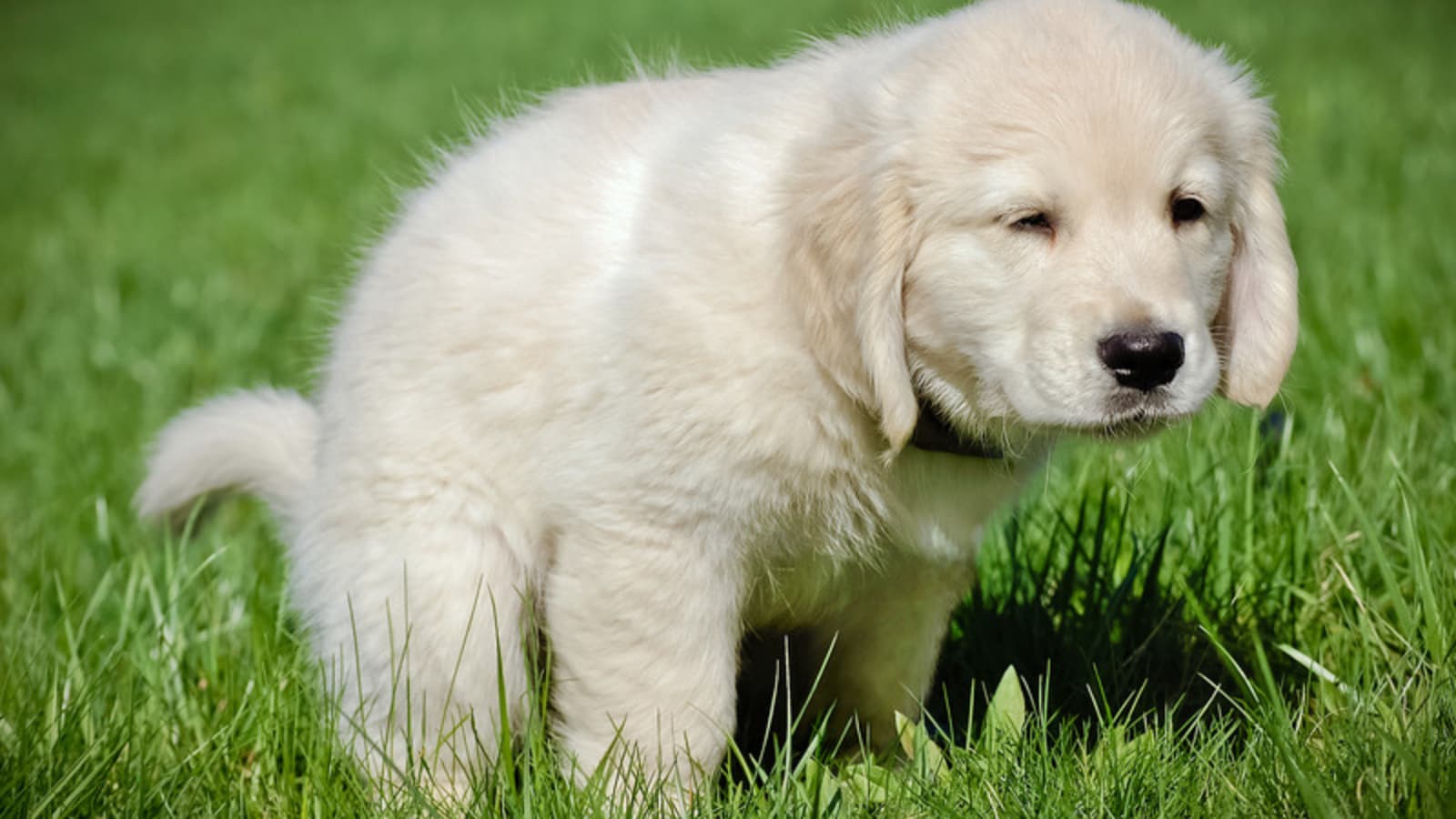
A puppy becomes house trained when he gets as few chances as possible to wee indoors. At first, take him out every 1 to 2 hours during the day, and always after eating, after drinking, after sleeping and after play. Reward him straight away when he goes outside. Clean up any accident indoors with a product that removes the smell, and don’t punish him. Some puppies have it sorted within a few weeks, others take months. If he suddenly starts weeing indoors a lot again, or only a little each time, have him checked by the vet.
Every puppy learns at its own pace. If you are unsure about his health, ask your vet for advice.
Set times to go outside
The LICG, the Dutch information centre for companion animals, puts it in one sentence: the better you prevent your puppy from weeing indoors, the faster he becomes house trained. So go out often, and at the right moments. The LICG suggests every 1 to 2 hours during the day. The RSPCA is stricter with very young puppies and works with every 45 minutes to an hour.
At certain moments your puppy will almost certainly need to go. After eating and drinking, as soon as he wakes from a nap, and after play or excitement, such as visitors arriving. The PDSA notes that play often makes puppies need the toilet, and suggests a trip outside halfway through a long play session. The RSPCA adds a few more: first thing in the morning, before bed, before you leave the house and as soon as you get back.
Humane World for Animals gives a rough rule of thumb: a puppy can hold his bladder for about one hour per month of age. A 3-month-old puppy can therefore manage about 3 hours. Treat that as an upper limit for when he is asleep or resting. During the day, when he is playing and moving about, take him out more often.
Feeding at set times makes it easier to predict when he will need to go.
Rewarding in the right place
Pick a fixed toilet spot in the garden or close to the door. The LICG suggests carrying your puppy there at first, so he doesn’t go on the pavement on the way. Wait there calmly until he does something. The PDSA keeps him on the lead for the first few times, so he doesn’t start playing, and pairs it with a cue word such as “toilet”. Say it as he starts, and he will learn to link the word to the action.
Reward him immediately, while he is still on his toilet spot. A treat you hand out once you’re back inside comes too late. The RSPCA advises rewarding him every time, with praise, a treat and some play. Don’t head straight back in afterwards. Stay out for a little walk or a game, otherwise your puppy learns that going to the toilet means the outing is over.
Puppies quickly get used to one kind of surface. The LICG recommends teaching him to go on more than one, such as grass and soil, so he can find his spot later on walks or when travelling.
Recognising the signs
Most puppies show you when they need to go. The LICG mentions sniffing the ground and circling. When you see that, pick him up and take him outside. The AKC adds suddenly stopping play, whining or scratching at the door, and restlessness. According to the RSPCA, you see these signs most often after a nap, after a meal and after time on his own.
If you catch him mid-wee, interrupt him calmly, for example by saying his name, and take him outside. If he finishes there, reward him. Don’t shout or startle him. The RSPCA warns that a puppy mostly learns from that to go when you’re not around.
Cleaning up accidents without punishment
A puddle indoors, according to the PDSA, means your puppy didn’t get enough chances to go outside. Don’t punish him for it. The RSPCA explains that a dog won’t connect the punishment with the accident and only becomes scared and confused. Rubbing his nose in it makes him fearful and slows down his progress, says Humane World for Animals.
The LICG advises cleaning up when your puppy isn’t in the room. Otherwise he may see it as a game, or find the situation frightening if you grumble while you clean. Use a product that really removes the smell. If he can still smell urine, he thinks that’s his toilet spot. The AKC mentions enzyme cleaners and other odour-neutralising products, which you’ll find at the pet shop. Follow the instructions on the bottle. The LICG says household cleaning vinegar often works as well, and the RSPCA uses a warm solution of biological washing powder, one part powder to nine parts water, rinsed off afterwards.
At night
A crate helps at night, because a puppy keeps his bed clean for as long as he can. According to the LICG, he can’t hold his bladder for long at first, because the sphincter muscles of his bladder are still developing. So expect to get up once or a few times a night.
The AKC has a few practical tips. Take him out one last time just before bed. Don’t feed him in the two hours before bedtime. Keep the crate in or next to your bedroom so you can hear him whimper. Carry a small puppy outside, otherwise he may wee on the way to the door. Keep the night-time trip short and quiet, without play, so he settles back to sleep quickly.
The crate
A crate works because a puppy doesn’t like to soil his own bed. That only holds if the crate is the right size. The AKC says he should be able to stand up, turn around and lie down in it, without so much room that he can wee in one corner and sleep in the other. If your puppy still has a lot of growing to do, a divider can make a large crate smaller.
Make the crate a pleasant place, with a cushion and a chew toy. Don’t leave him in it for longer than he can hold his bladder, and take him outside as soon as he comes out. How to build up time alone gradually is covered in leaving your dog home alone.
How long does it take to toilet train a puppy?
There’s no fixed number. According to the PDSA, some puppies get it within a few days and others take much longer. The LICG writes that it differs from puppy to puppy and is sometimes linked to the breed. Humane World for Animals says it typically takes 4 to 6 months. The AKC says a 6-month-old puppy that was trained early is usually reliable most of the time.
An accident after a few good weeks is still part of it. According to the RSPCA, dogs don’t reach full bladder capacity until around 12 months. When it happens, take a step back: go out more often and reward more.
When to see the vet
Sometimes there’s a physical cause. The PDSA lists these signs of a bladder infection: weeing more often, weeing small amounts each time, weeing in the house, straining or pain when weeing, strong-smelling urine, blood in the urine and licking the genital area. A puppy that was already house trained and suddenly starts weeing indoors a lot also fits that picture.
The PDSA advises contacting your vet as soon as you notice a change in your dog’s weeing habits, because in rare cases a bladder infection can spread to the kidneys. Your vet may ask for a fresh urine sample. The AKC also recommends a vet check for a puppy that makes no progress despite a regular routine. If the vet finds nothing, they can refer you to a behaviourist.
If your puppy only wees indoors when he’s home alone, the RSPCA says this may be about being left alone rather than about house training. To find a vet near you, see the vets on GoPuppy. What to look for when choosing one is in choosing a vet.
Keeping a log
For the first few weeks, jot down on a sheet on the fridge or in your phone when your puppy ate, slept, weed or pooed outside, and where any accident happened. After a few days you’ll see how long after a meal he needs to go and how many hours he lasts at night. That helps you plan the trips outside, and whoever looks after him that day knows when he needs to go out too. If you need to see the vet, you can tell straight away since when he has been weeing more often. Our book My puppy journal has a house training log you can use for this.
There’s more on the first weeks with your puppy in puppy at home and puppy training in the first months. A puppy course at a dog school can help with house training too. All the articles for the first year are in order in the puppy guide.
Frequently asked questions
How long does it take to toilet train a puppy? It varies a lot from puppy to puppy. According to the PDSA, some learn within a few days and others take much longer. Humane World for Animals says it typically takes 4 to 6 months, and the AKC says a 6-month-old puppy that was trained early is usually reliable most of the time. The RSPCA points out that dogs don’t reach full bladder capacity until around 12 months.
How often should a puppy go out? The LICG advises every 1 to 2 hours during the day at first, and always after eating, after drinking, after sleeping and after play or excitement. For very young puppies the RSPCA works with every 45 minutes to an hour, depending on age.
Does my puppy need to go out at night? Usually, yes, at the start. A puppy keeps its bed clean for as long as it can, but it can’t hold on for long yet. The LICG says you will often have to get up once or a few times a night. Take him out one last time just before bed and keep the crate in or next to your bedroom so you can hear him.
What should I do if my puppy wees indoors? Don’t punish him. He won’t connect the punishment with the puddle, and it mostly makes him afraid. If you catch him in the act, interrupt him calmly and take him outside. Clean up when he’s not around, using an enzyme cleaner or another product that removes the smell, so he doesn’t pick that spot as his toilet again.
When should I take my puppy to the vet? When a puppy that was already house trained suddenly starts weeing indoors a lot, or wees small amounts each time, strains, seems to be in pain or has blood in his urine. These can be signs of a bladder infection. See the vet as well if he makes no progress despite a regular routine.