FCI 149 · Great Britain

English Bulldog

The national dog of Great Britain. Once used for bull baiting, now a calm companion with a short muzzle.

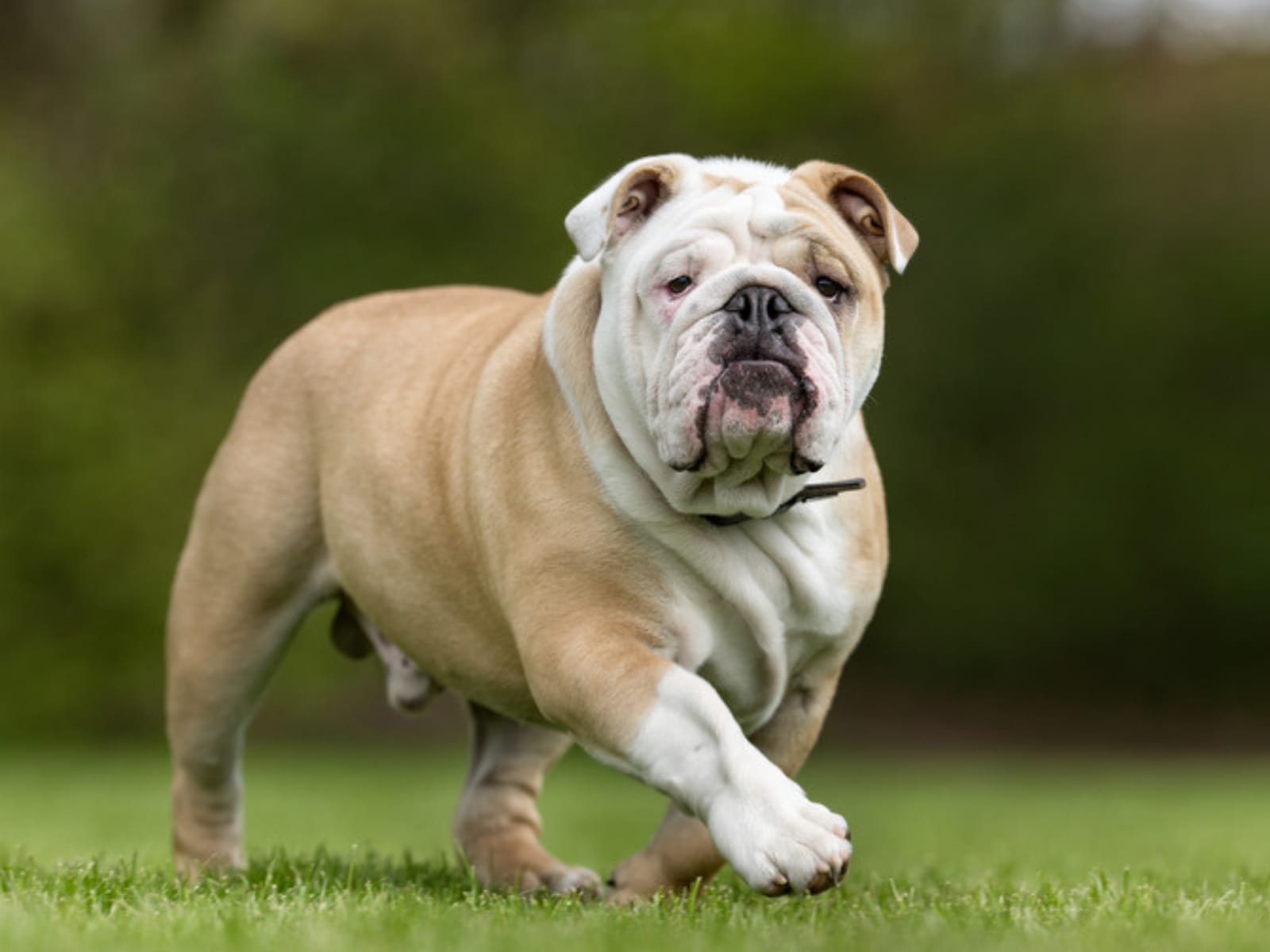
English Bulldog walking across the grass

Breed facts

FCI
no. 149 · group 2, molossoid, mastiff type
Origin
Great Britain
Weight
male 25 kg · female 23 kg
Exercise
up to 1 hour a day (according to the Royal Kennel Club)
Lifespan
under 10 years
Coat
short, sheds

The GoPuppy profile

These are breed averages and our own assessment. Your own dog’s age, fitness and training matter more.

  1. WalkingShort loopsThe Royal Kennel Club gives up to an hour a day; it says a couple of short, gentle walks are enough. In warm weather, only during the cool hours.
  2. Dog sportNot a sports dogWith his short muzzle we advise against exertion. Calm scent work is fine.Suitsscent work
  3. Terraces and cafésTerrace with some practiceThe Royal Kennel Club calls him calm and affectionate. A shaded terrace suits him well.
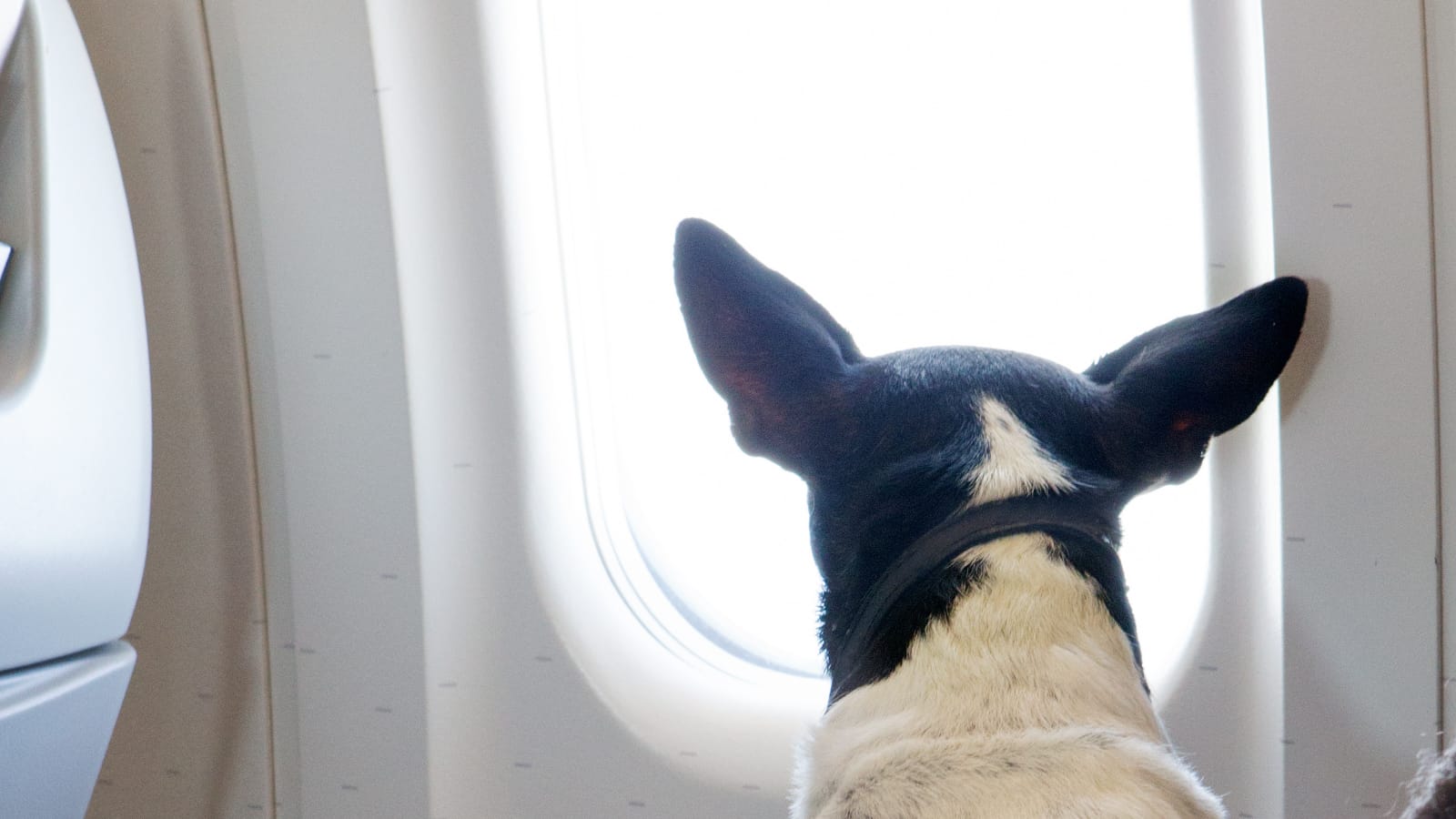
  4. Travel and staysRules or heat when travellingFlat-faced: in a hot car and on a plane his muzzle matters. Some airlines have their own rules for brachycephalic breeds.
  5. CityTown or villageThe Royal Kennel Club says a small house is enough, and a flat can work as long as he is not left alone for long.

Character

According to the FCI standard, the Bulldog conveys an impression of determination, strength and activity. He is alert, bold and loyal, fierce in appearance but affectionate by nature. The Royal Kennel Club describes him as calm and good-natured, closely bonded to his family. He can be strong-willed and learns best with brief, positive sessions.

Origin

The name bulldog appears in the 1630s. The dog was used for bull baiting until it was banned in 1835. After that he became shorter-faced and stockier. He entered the show ring in 1860. The Royal Kennel Club reports that breeders have worked since the start of this century to reduce exaggerated features, and that the standard has been changed accordingly. The FCI places him in Group 2, section 2.1, molossoid breeds of mastiff type.

Breathing and heat

The Royal Kennel Club asks breeders for a breathing test (BOAS, Respiratory Function Grading) and eye testing. It also lists a DNA test for hyperuricosuria (HUU) and elbow and hip testing. According to the RKC, Bulldogs overheat easily; keep exertion low in warm weather. Ask a breeder for the breathing grade of both parents.

Size

The standard gives no height, only a weight: 25 kg for males, 23 kg for females. The French Bulldog has its own page.

Health: what a good breeder tests for

  • Breathing test for BOAS (Respiratory Function Grading)
  • Eye testing
  • DNA test for hyperuricosuria (HUU)
  • Elbows (X-ray, official result)
  • Hips (X-ray, official result)

Ask for the parents’ results when you visit a litter. This is not medical advice; your vet knows your dog.

Breeders of this breed on GoPuppy

No breeder of this breed on GoPuppy yet.

GoPuppy does not check breeders’ health tests. A listing here is not a seal of approval.

Read also