FCI 136 · Great Britain

Cavalier King Charles Spaniel

A small British spaniel bred as a companion. The standard asks for a gay, friendly dog with no aggression or nervousness, and the Royal Kennel Club counts on up to an hour of exercise a day.

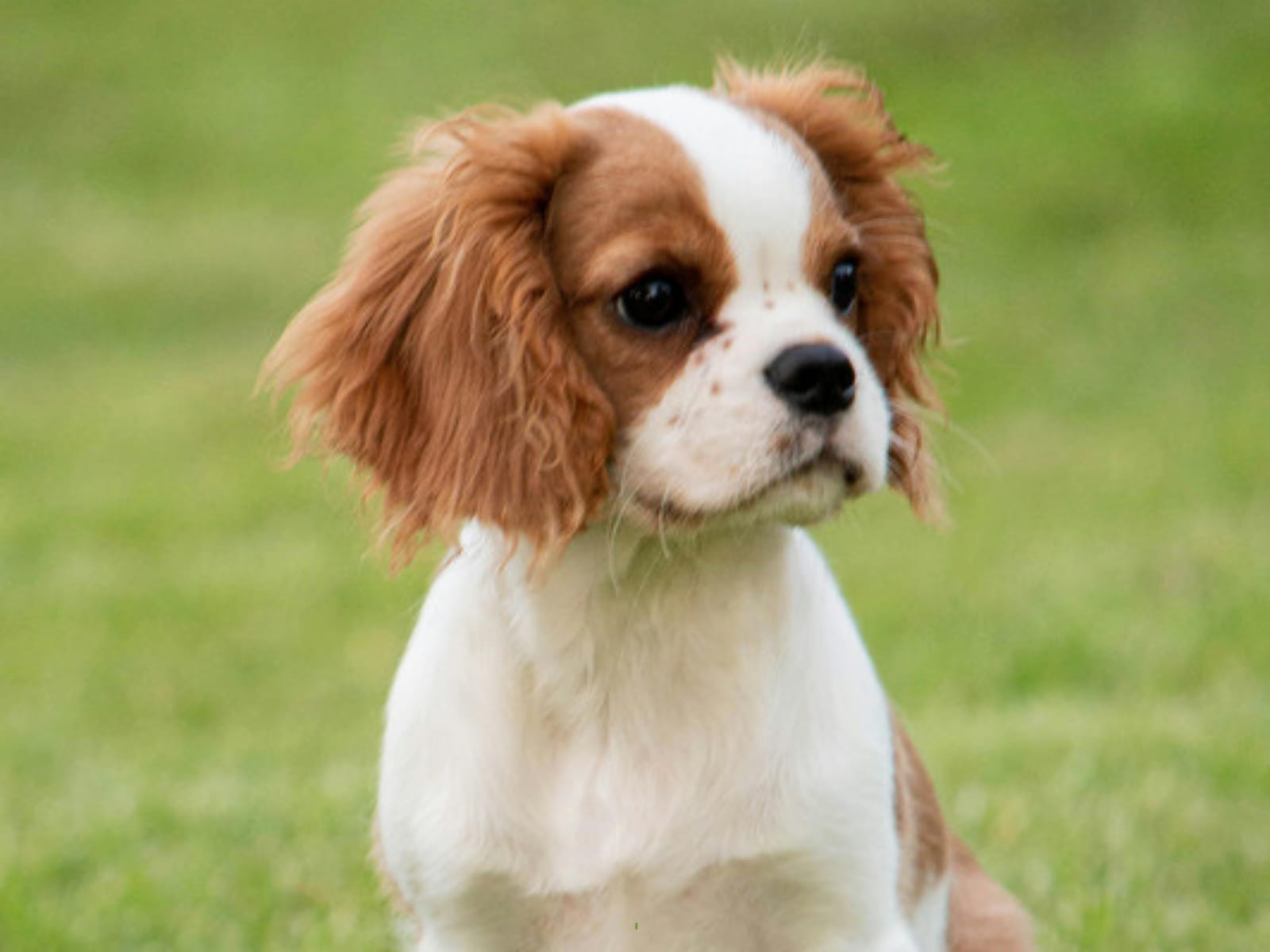
Young Cavalier King Charles Spaniel in the grass

Breed facts

FCI
no. 136 · group 9, English toy spaniels
Origin
Great Britain
Weight
5.4–8 kg
Exercise
up to 1 hour a day (according to the Royal Kennel Club)
Lifespan
over 12 years
Coat
medium length, sheds

The GoPuppy profile

These are breed averages and our own assessment. Your own dog’s age, fitness and training matter more.

  1. WalkingOne to two hoursThe Royal Kennel Club gives up to an hour of exercise a day. A healthy Cavalier happily walks for an hour at an easy pace.
  2. Dog sportScent work and one sportHoopers, scent work and agility in the small classes. The standard calls him 'sporting'.Suitshoopersscent workagility
  3. Terraces and cafésCalm on a terraceThe standard calls him 'gay, friendly, non-aggressive', with no tendency towards nervousness. He lies easily under a table.
  4. Travel and staysTravels easilySmall and easy to take along, and in the cabin if the airline accepts dogs.
  5. CityCity dogThe Royal Kennel Club says a flat is enough, in town or country.

Character

The FCI standard describes the Cavalier as sporting, affectionate and absolutely fearless, gay and friendly, non-aggressive and with no tendency towards nervousness. He is a companion dog who likes to be close to his people.

Origin

The Cavalier comes from Great Britain. The FCI places him in Group 9, section 7, English toy spaniels, without a working trial. The same section includes the King Charles Spaniel, a separate breed with a domed skull and shorter muzzle; until 1945 the two were shown together.

Health

For this breed, the Royal Kennel Club lists heart screening for MVD, a disease of the mitral valve, among the minimum tests for breeders, along with DNA tests for CC/DE (curly coat/dry eye) and EF (episodic falling). Eye testing is recommended on top. Ask a breeder for the results of both parents, and see our checklist for visiting a breeder.

Weight

The standard gives no height, only a weight of 5.4 to 8 kg, and prefers a small, well-balanced dog within that range.


Health: what a good breeder tests for

  • Heart screening for MVD (mitral valve disease)
  • DNA test for CC/DE (curly coat/dry eye) and EF (episodic falling)
  • Eye testing

Ask for the parents’ results when you visit a litter. This is not medical advice; your vet knows your dog.

Breeders of this breed on GoPuppy

No breeder of this breed on GoPuppy yet.

GoPuppy does not check breeders’ health tests. A listing here is not a seal of approval.

Read also