FCI 36 · France

Basset Fauve de Bretagne

A small fawn scent hound from Brittany, derived from the Griffon Fauve de Bretagne. The standard calls him a passionate hunter and a sociable companion.

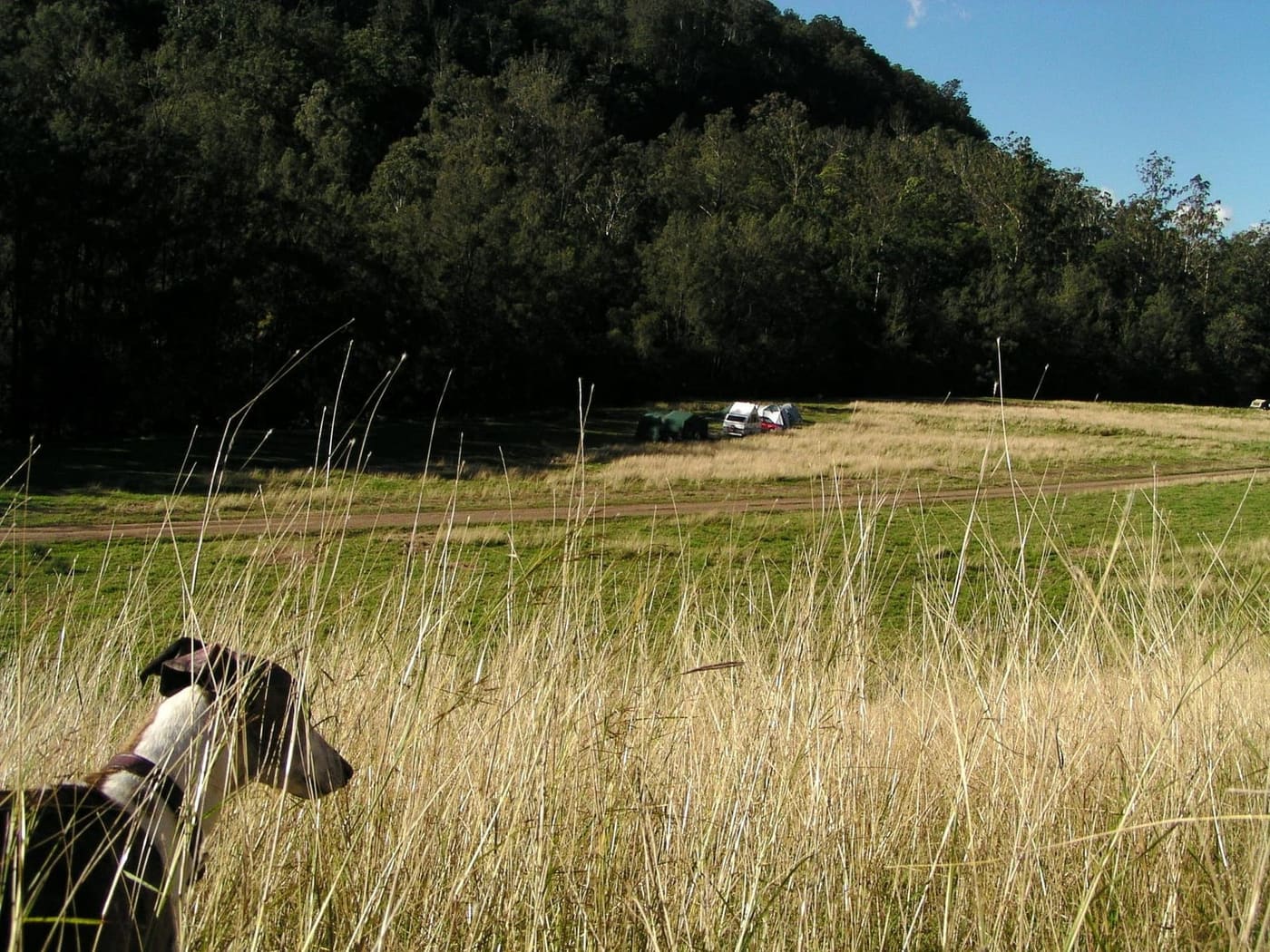
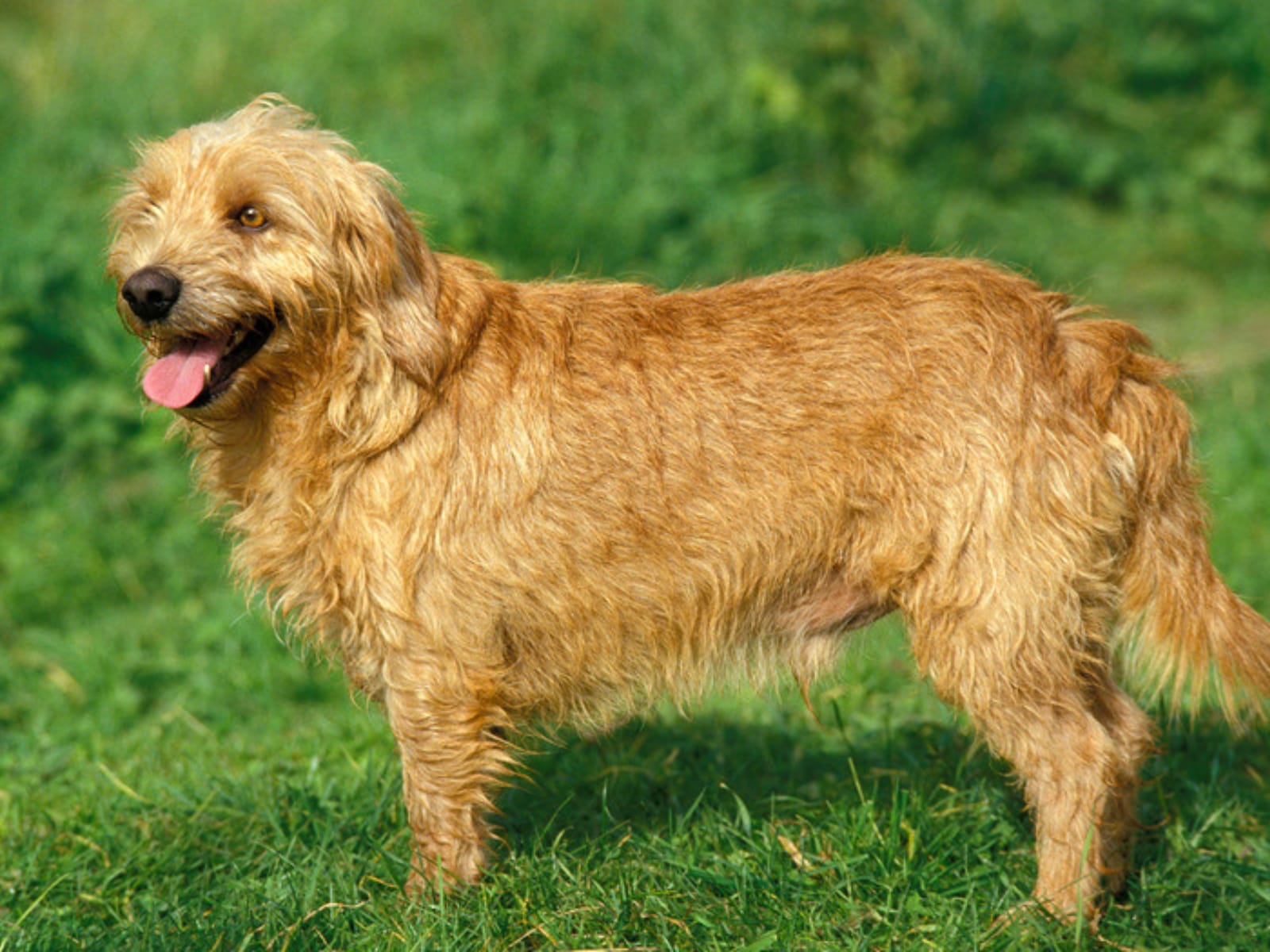
Basset Fauve de Bretagne standing in the grass

Breed facts

FCI
no. 36 · group 6, small-sized hounds
Origin
France
Height at withers
32–38 cm
Size
A tolerance of 2 cm is allowed for exceptional dogs.
Exercise
more than 2 hours a day (according to the Royal Kennel Club)
Lifespan
over 12 years
Coat
medium length, sheds

The GoPuppy profile

These are breed averages and our own assessment. Your own dog’s age, fitness and training matter more.

  1. WalkingFull-day hikesThe Royal Kennel Club gives more than two hours of exercise a day. He likes to follow his nose; a long line helps where he cannot be off lead.
  2. Dog sportScent work and one sportA scent hound with a working trial. Scent work and mantrailing suit him.Suitsscent workmantrailing
  3. Terraces and cafésTerrace after trainingThe standard calls him sociable, affectionate and equable.
  4. Travel and staysTravels with some planningSmall to medium, easy to take along.
  5. CityBetter with a gardenThe Royal Kennel Club suggests a small house with a large garden, in town or country.

Character

According to the FCI standard, Bassets Fauves de Bretagne are passionate hunters and also excellent companions: sociable, affectionate and equable. They adapt to any terrain and any quarry. When hunting they are courageous, wily and obstinate.

Origin

This little basset has the same qualities as the breed it comes from, the Griffon Fauve de Bretagne. Popular in its home region in the 19th century, it gained a national reputation in the last thirty years of the 20th century. It has won the French Cup for rabbit hunting several times. The standard lists rabbit, hare, fox, roe deer and wild boar. The FCI places him in Group 6, section 1.3, small-sized hounds, with a working trial.

Health

The Royal Kennel Club puts genetic diversity first and asks for a DNA test for primary open angle glaucoma (POAG-4).

Size

Males and females measure 32 to 38 cm. A tolerance of 2 cm is allowed for exceptional dogs.
Health: what a good breeder tests for

  • Prioritising genetic diversity when choosing the parents
  • DNA test for primary open angle glaucoma (POAG-4)

Ask for the parents’ results when you visit a litter. This is not medical advice; your vet knows your dog.

Breeders of this breed on GoPuppy

No breeder of this breed on GoPuppy yet.

GoPuppy does not check breeders’ health tests. A listing here is not a seal of approval.

Read also