
Choosing a dog-walking service: what to look for
Days away from home too long? A good dog-walking service gives your dog exercise and company. Here's how to find a reliable dog walker.
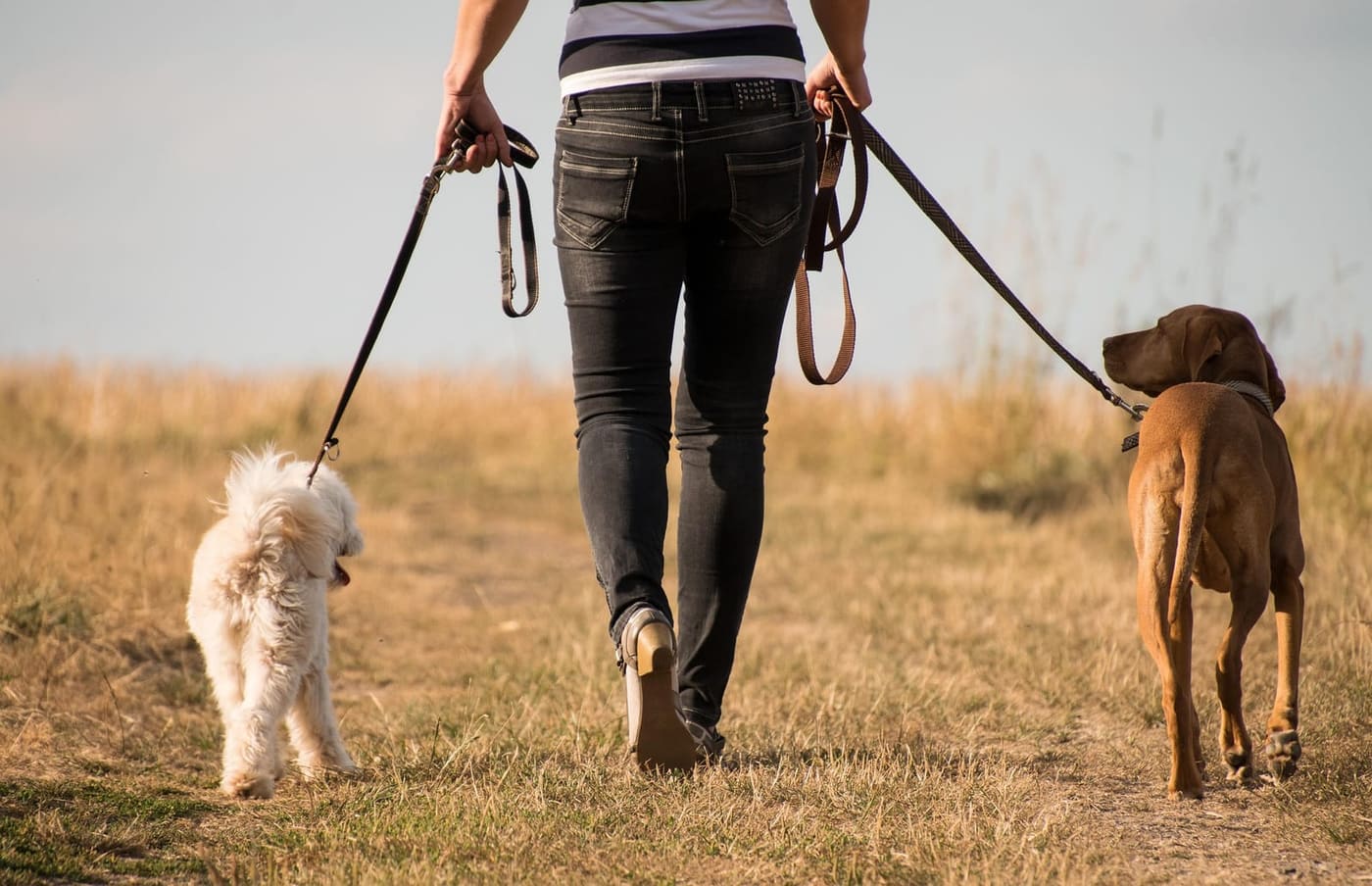
Not everyone can walk their own dog in the middle of the day. A dog-walking service (a “dog walker”) steps in then: exercise, sniffing adventures and company while you’re at work. But you’re trusting someone else with both your dog and your house key. Here’s how to make a good choice.
What a good dog walker does
A reliable dog-walking service offers more than just “a quick loop around the block”:
- Small, well-matched groups. Dogs that match in energy and size, in a group the walker can genuinely keep an eye on, not a pack of fifteen on one hand.
- Knowledge of dog behaviour. They read body language, defuse tension within a group, and know how to prevent conflicts.
- Safe transport and safe locations. Secured transport (crate or seatbelt) and areas where off-leash walking is allowed and responsible.
- Insurance. Liability insurance in case something happens along the way.
- Feedback. A message or a photo, so you know how it went.
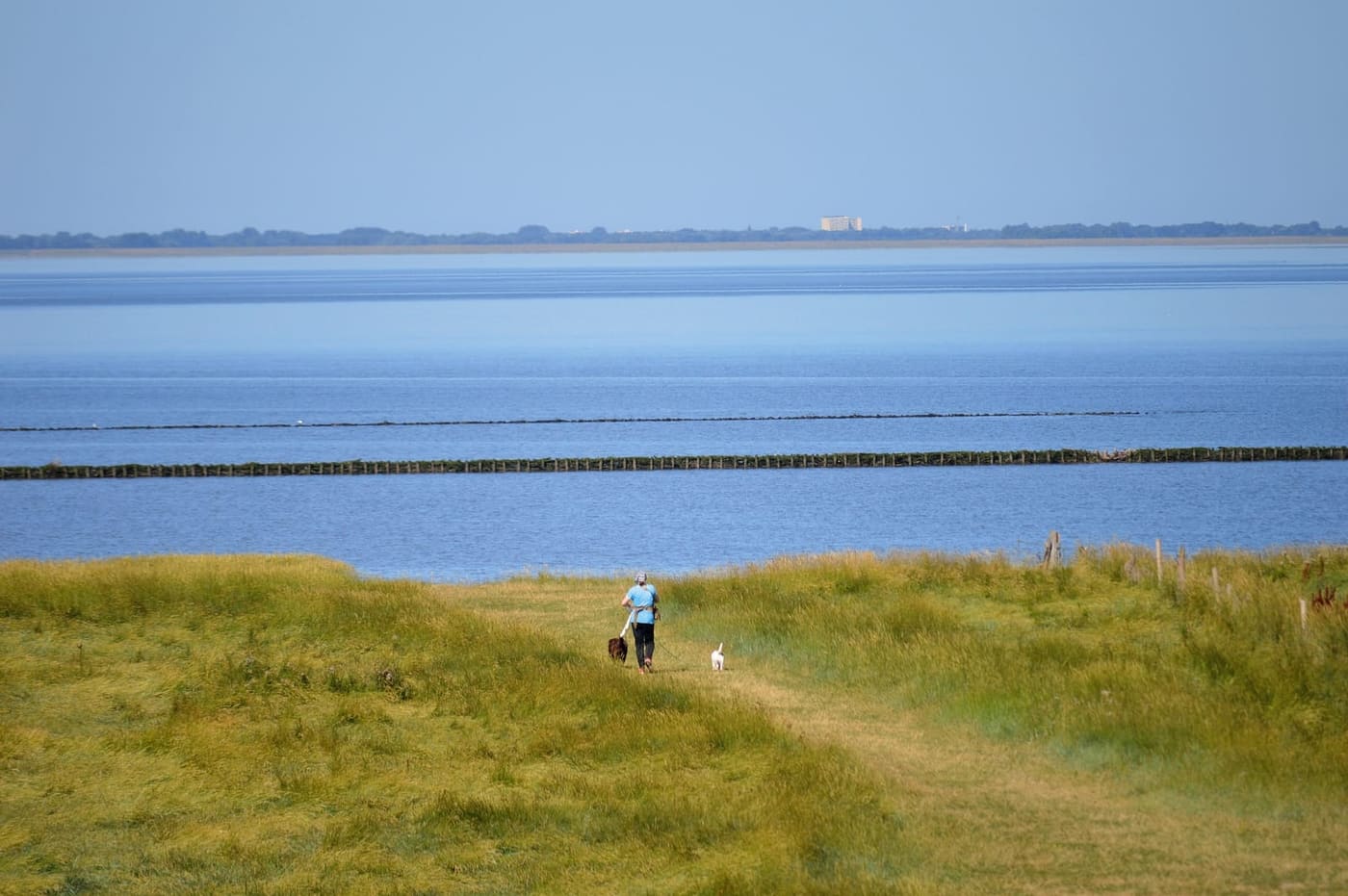 A good dog walker chooses calm, safe spots and keeps the group small and manageable.
What does a dog-walking service cost?
The price of a walk depends on the region, the length of the walk, and whether your dog joins individually or in a group. A punch card or fixed subscription (say, 3 or 5 days a week) is usually cheaper per walk than one-off bookings. Always ask for a concrete quote tailored to your situation, and check what’s included: just the walk itself, or also things like topping up water and a brief update afterwards.
Self-employed dog walker or a company?
Both types exist and can work well. A self-employed dog walker often gets to know your dog inside out, with a personal, consistent bond. A company with several walkers usually has a backup ready in case of illness, leave, or a fully booked schedule, so the walk still happens. Either way, ask about experience, references from other clients, and how they handle an emergency.
Questions to ask beforehand
- How big are the groups, and how do you put them together?
- Where do you walk, and are the dogs allowed off-leash? (And how reliable is the recall in that case? See also off-leash rules explained.)
- How do you transport the dogs?
- What do you do in an emergency or accident? Do you know a vet nearby?
- Can I join for a walk or do a trial walk sometime?
- Are you insured, and do you work with a contract?
A good dog walker will answer these openly and willingly, and will ask you questions about your dog in return.
Handling keys: talk it through
Many dog-walking services need their own house key to collect your dog when you’re not home. Discuss in advance how that key is stored and labelled (never together with your address, in case it’s lost), who else has access to it, and what happens to the key once the arrangement ends. A professional dog walker will have a clear, established procedure for this, feel free to ask.
Let your dog and the walker meet first
Give your dog a calm introduction: a short meeting, a trial walk, maybe shorter sessions the first few times. Watch whether your dog goes along relaxed and comes back happy. Also watch how your dog gets on with the other dogs in the group, a good walker tests this beforehand and puts groups together based on temperament, not just size. Trust builds, for your dog, and for you.
Alternatives and add-ons
A dog-walking service combines well with other solutions: a dog training school for a solid foundation, dog daycare for full days (see choosing dog daycare: what to look for), or simply a long walk yourself on the weekend. It all comes down to enough exercise, stimulation and company, how you fill that in adapts to your own life.
Looking for a dog-walking service or other dog services near you? Browse them on GoPuppy, or add a trustworthy place you’ve come to know yourself.
Frequently asked questions
What does a dog-walking service typically cost? The price varies a lot by region, duration and group size, usually with a lower per-walk rate for a punch card or subscription than for one-off bookings. Always ask for a concrete quote tailored to your situation.
Is a self-employed dog walker or a company the better choice? Both can work well. A self-employed walker often knows your dog more personally; a company usually has a regular backup in case of illness or leave. Either way, ask about insurance, experience and references.
Is it safe to hand over my house key to a dog walker? Discuss in advance how the key is stored and labelled (never together with your address), and put in writing what happens to it once the arrangement ends. A professional dog walker will have a clear procedure for this.
What if my dog doesn’t get on well with other dogs in the group? A good dog walker tests this beforehand and puts groups together based on temperament and energy, not just size. If your dog doesn’t fit well anywhere, many walkers also offer individual walks.