
Why does every coastal town have different dog beach rules?
1 April, 15 May, 16 September, 1 October, every coastal town picks its own dates for its dog beach. Here's why there's no national rule, and how to check per town.
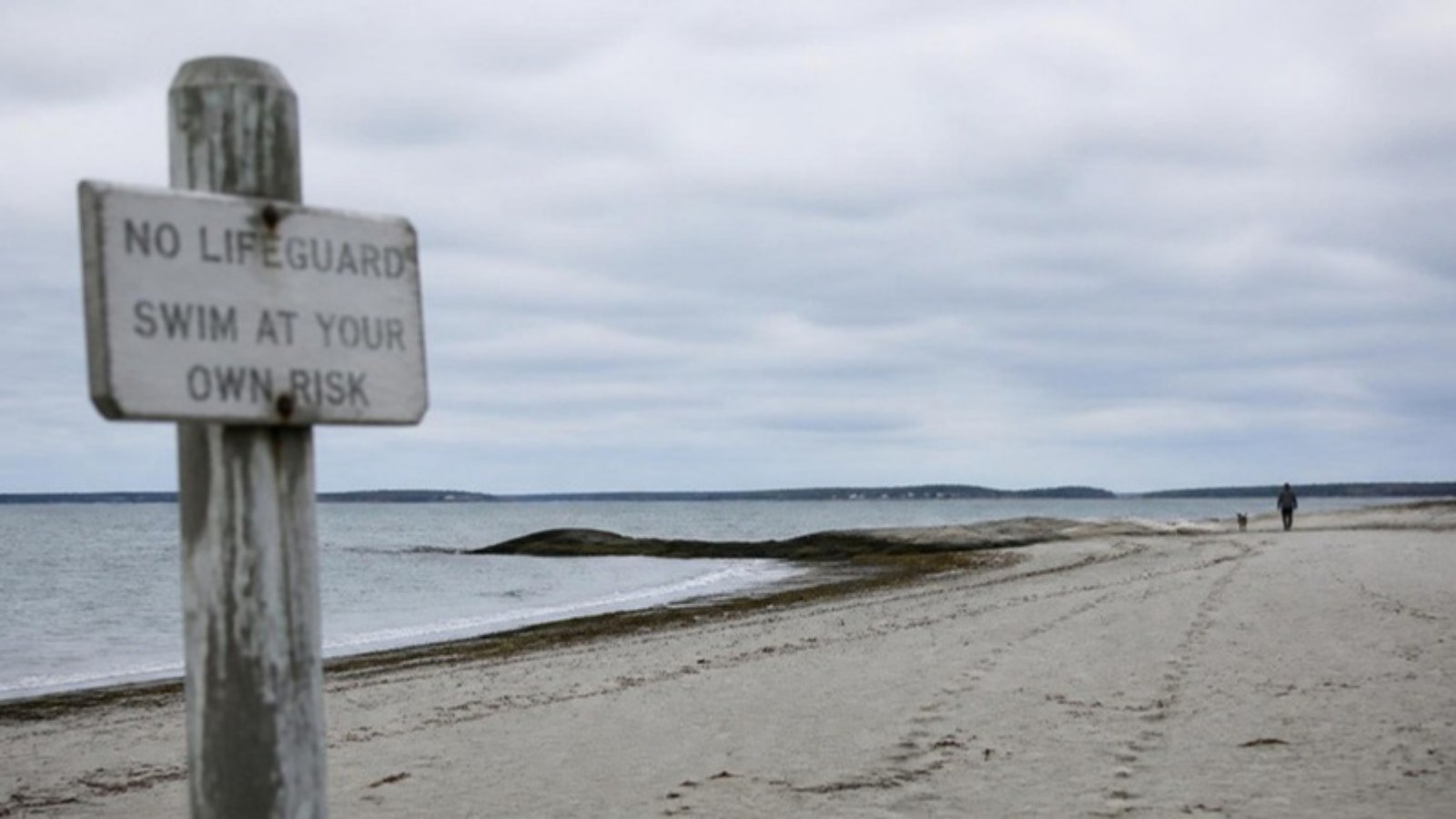
Katwijk draws the line at 1 April and 1 October. Vlissingen picks 1 May and 17 September. Wassenaar sticks with 15 May and 15 September. Zandvoort goes with 15 April and 1 October instead. Anyone travelling the coast with a dog who assumes “high season” means the same thing everywhere is in for a surprise, and that’s neither an accident nor sloppiness. There’s simply no national law that regulates this.
No national dog beach law
Neither Belgium nor the Netherlands has a federal or national law dictating when a dog can or can’t be on the beach. That authority sits with the municipality itself, through its general local bylaw (algemene plaatselijke verordening, or APV, in the Netherlands) or its general police regulation in Belgium. The town council (or the local executive board, once authorised by the council) decides for itself how the beach is divided up and which dates apply. No provincial or national body harmonises any of this.
So why the spread between roughly mid-March and mid-October?
Every coastal town marks off a period somewhere between early spring and mid-autumn when the beach gets busier and dogs are more restricted. That pattern comes from the same kind of trade-offs, even though the outcome differs everywhere:
- Tourist high season. The period when a town expects the most visitors (often overlapping with Dutch and Belgian school holidays) is usually also the period with the strictest dog rules. A town with a long tourist season (think of the big Belgian seaside resorts) tends to draw that line more broadly than a quieter village.
- The shape and width of the beach. A wide beach can more easily do without a separate dog zone without it costing the rest of the beach much; on a narrow beach, that trade-off looks different.
- Nesting coastal birds. Some towns line their period up with the nesting season of ground-nesting beach birds, which generally runs from March into summer.
- Political decision-making. In the end, a town council votes on this, after consulting, for instance, beachfront businesses, dog owners and nature organisations. Different towns weigh those interests just a little differently.
The result: almost every town falls within the same broad band (roughly mid-March to mid-October), but no two towns pick exactly the same dates or times.
A few examples side by side
| Town | High season (stricter) | Outside season |
|---|---|---|
| Katwijk | 1 April – 1 October, 9:00–19:00 | free the rest of the year |
| Zandvoort | 15 April – 1 October, only 19:00–9:00 | free day and night |
| Wassenaar (Wassenaarse Slag) | 15 May – 15 September, partly banned | fully free |
| Vlissingen (Nollestrand) | 1 May – 16 September, fully banned | fully free |
| Bergen (Bergen aan Zee) | 1 May – 1 October, off-leash before 10:00/after 19:00 | fully free |
Four towns, four different start dates, four different end dates, and even different ways of defining “strict”, from a time window to an outright ban. See our town-by-town guide for the full list.
What this means for you
- Never assume the previous town’s rule applies. Even if the next village over looks identical, the dates can differ by several weeks.
- Check the year. Towns adjust their bylaws from time to time; a rule that applied last year may no longer hold this year.
- The signs on site are what count, not a blog post or an app, not even this one. When in doubt, go by what’s posted on the beach itself.
- Check whether there’s a fixed dog beach. Some towns (like Katwijk or Noordwijk) designate a stretch of beach available year-round, regardless of season, which saves a lot of puzzling.
We track this data per location on GoPuppy, with a link to the official source, so you can check for yourself when we last verified it. Noticed a rule has changed, or is your favourite dog beach still missing? Let us know or browse the full overview of dog beaches.